


The strange case of The Thai Orchestra

There is an old joke in Thailand: Why do you never see elephants hiding in trees? Because they’re so good at it. Orchestras are usually equally as obtuse as elephants, but strangely one has gone missing: The Thai Orchestra. Although, to call them ‘missing’ is somewhat of a misnomer because they have never been spotted in the first place.
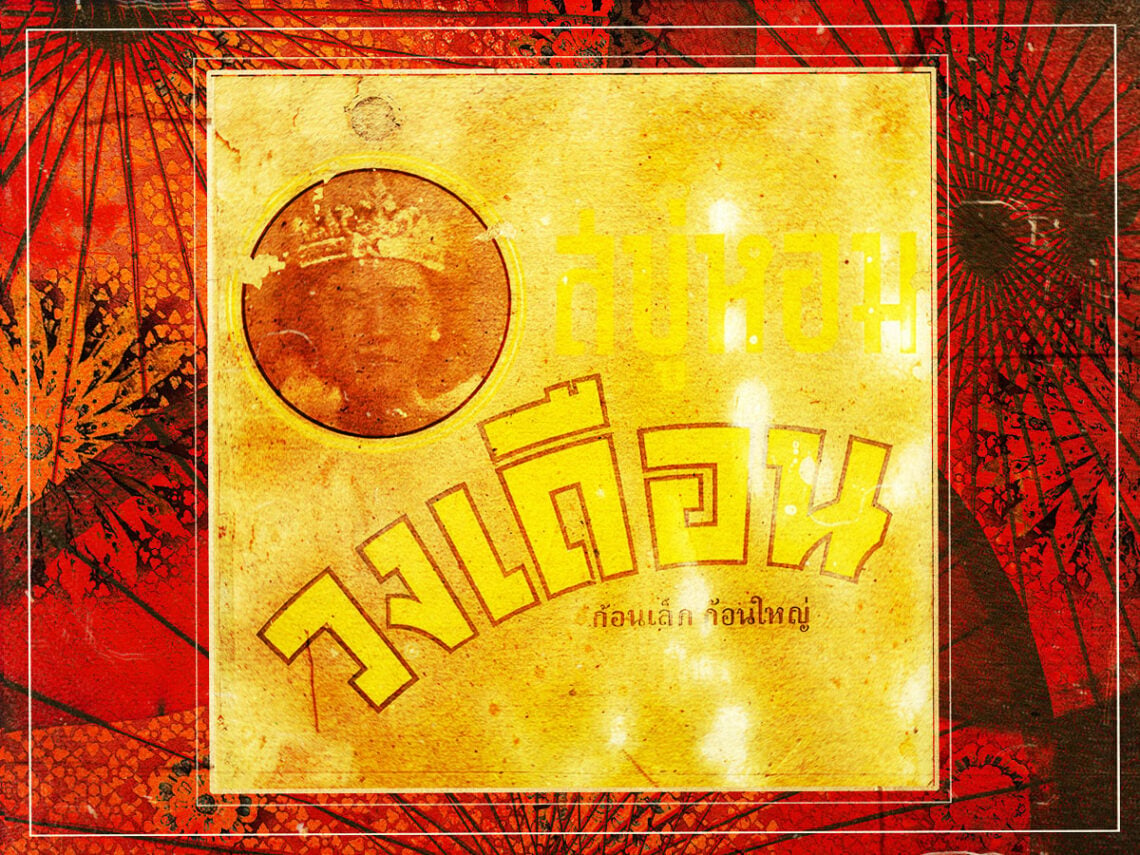
In 2007, an album was released on Mississippi Records titled The Thai Orchestra by The Thai Orchestra. No further information was issued. All the songs were untitled, uncredited, and undated. The most obvious guess was that the album was originally from the 1970s, given the styling of the artwork and tenets of the era’s recording techniques that it shared, but nothing can substantiate this estimation.
So, what exactly is it? Well, when Aquarius Records received a copy, the only accompanying note was “Thai Record”. In a strange way, this seems fitting. The album appears to be the sort of percussion-driven country music you hear in Chiang Mai at various fares. Recorded live on a single field-placed microphone, the musicology is hued by the tin of the dogeared instruments. The album creates a hypnotic aura, with prominent Ranat ek (a sort of local curved xylophone) meddling with more ’70s-inclined instrumentation hinting at the incursion of Western influences.
Alas, this doesn’t illuminate too much. The cynical side in me – imbued by the journalistic hard knocks of mysteries that turn out to be engineered as such by rather un-mysterious forces – thinks that perhaps a note that simply states “Thai Record” hints at a sort of hipster facsimile of some bygone far-flung folk, but the sound seems almost too idiosyncratic for that. The instrumentation is very faithful to music from the northern Thai region, but there is also an organic flourish of modernisation that you would surely look to avoid if you were merely imitating.
The most mysterious album ever?
And then there is the album cover: when “saboo hom wong duan” is translated, it means “crescent moon fragrant soap”. From the details at the bottom, it would appear that this is a literal soap advert repurposed as a cover. Is this appropriation by Western forces, or simply all the creators could afford to craft as a classy-looking dust-sleeve? Also, does ‘Wong Duan’ in the title hint that the creators are from the Ao Wong Duan area on Koh Samet Island?
One thing that is for certain, since the album was published it has asked far more questions than have ever been answered. Alas, rather than subsume the record, the mystery only embellishes its timeless sense of wonder. Thrillingly singular yet earnestly humble and traditionalist, subverted only by the mildest hint of foreign influences like blues and rock, it is a captivating listen.
And our investigation into it has only just begun. Who knows where this rabbit hole will take us, and that is the thrill of venturing off the beaten track: it illuminates more of the world; now more than ever, you can see many indie artists doing just the same to garner fresh inspiration from sounds that travel our way at a decidedly slower pace.
