


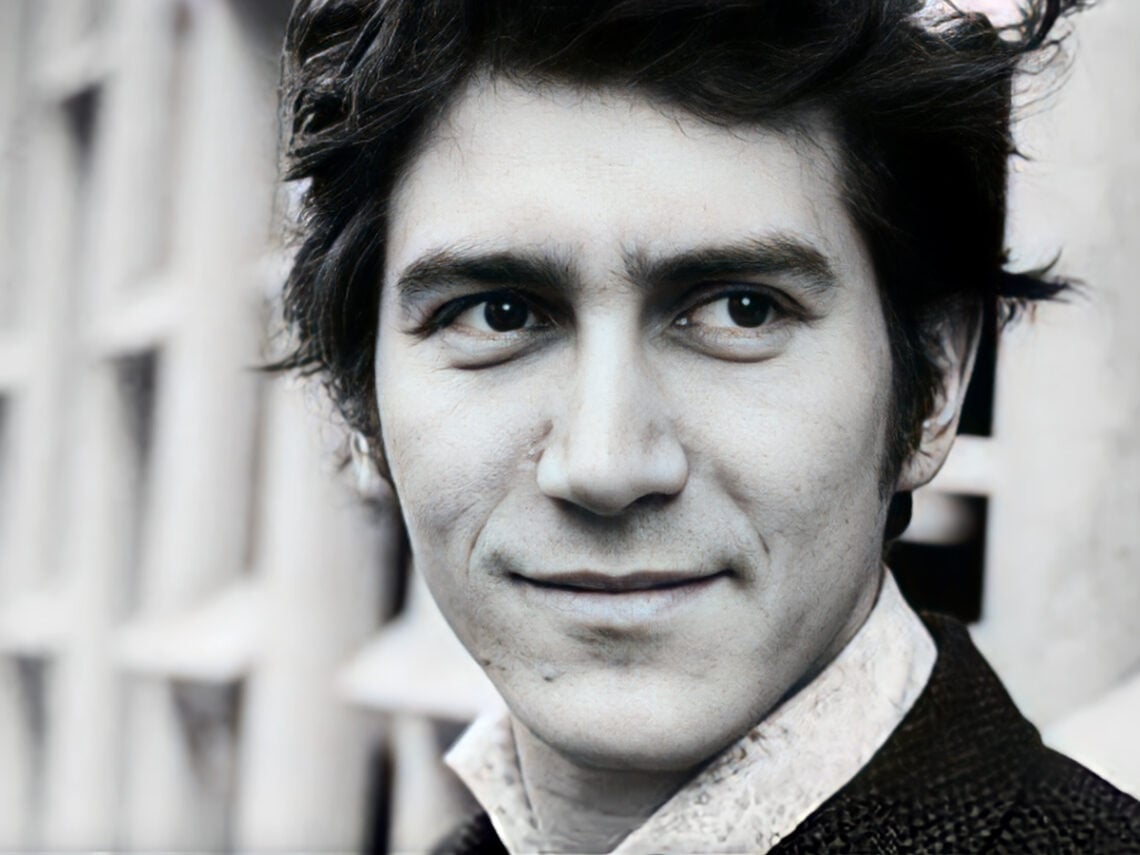
When Phil Ochs convinced himself that Phil Ochs had died: The tragic story of John Butler Train

Phil Ochs was, and still could have been, the voice of a generation. His blend of songwriting talent, journalistic vigour, and political sharpness was a rare tool that practically no one else has ever had.
With influences ranging from Elvis Presley to Woody Guthrie, it was indeed clear that Ochs valued music and politics in very equal measure. He could still serve as a lesson to anyone who foolishly believes that culture isn’t the direct route to lifting us out of situations and getting the fire under activism truly burning.
Yet by the same token, carrying that as well as witnessing the things that he did, such as the police riots at the 1968 Democratic National Convention, was a lot of pressure to bear. As Ochs increasingly turned to alcohol and his bipolar disorder took hold, his story turned into one of far greater tragedy than overall triumph.
These were undeniably dark days for the songwriter, but they were also marked by a freeing sense, in his eyes, that he was no longer in his own body. Instead, Ochs thought that he metamorphosed into the persona of John Butler Train, a figurative being who would come to control everything he did as he neared the end of his life.
Train seemed to come alive because Ochs felt that he was already dead in every form of being. As a biographer later wrote, Ochs “had died politically in Chicago in 1968 in the violence of the Democratic National Convention; he had died professionally in Africa a few years later when he had been strangled and felt that he could no longer sing; he had died spiritually when Chile had been overthrown, and his friend Victor Jara had been brutally murdered.”
As tragic as the repercussions would be, the only thing that left was his mind. After having his life crushed in so many myriad and devastating ways, it was possibly inevitable that Ochs was bound to retreat into a space of danger and darkness, but the chaos wreaked by his time inhabiting the Train persona was arguably more evil than any of those other events combined.
This psychological derailment began in earnest when Ochs began telling people that he wanted to be managed by Presley’s Colonel Tom Parker or KFC’s Colonel Sanders, but then transformed into the adoption of Train, who said that he had murdered Ochs and was there to replace him.
It came with large amounts of paranoia. As Train, Ochs was convinced that someone was trying to kill him, and as such, carried a variety of weapons around at all times. He’d get into bar fights, and his brother Michael tried in vain to have him admitted to a psychiatric hospital. Instead, unable to pay his rent, Ochs went to live on the streets.
Yet by April 1976, despite the fact that he had gone to live with his sister, Sonny, in Far Rockaway, New York, Ochs could no longer cope with the tumultuous life he was living, half in the present and half from beyond the grave. He took his own life, which left the final, ultimate searing assessment on his series of deaths: “Finally, he had died psychologically at the hands of John Train.”
