


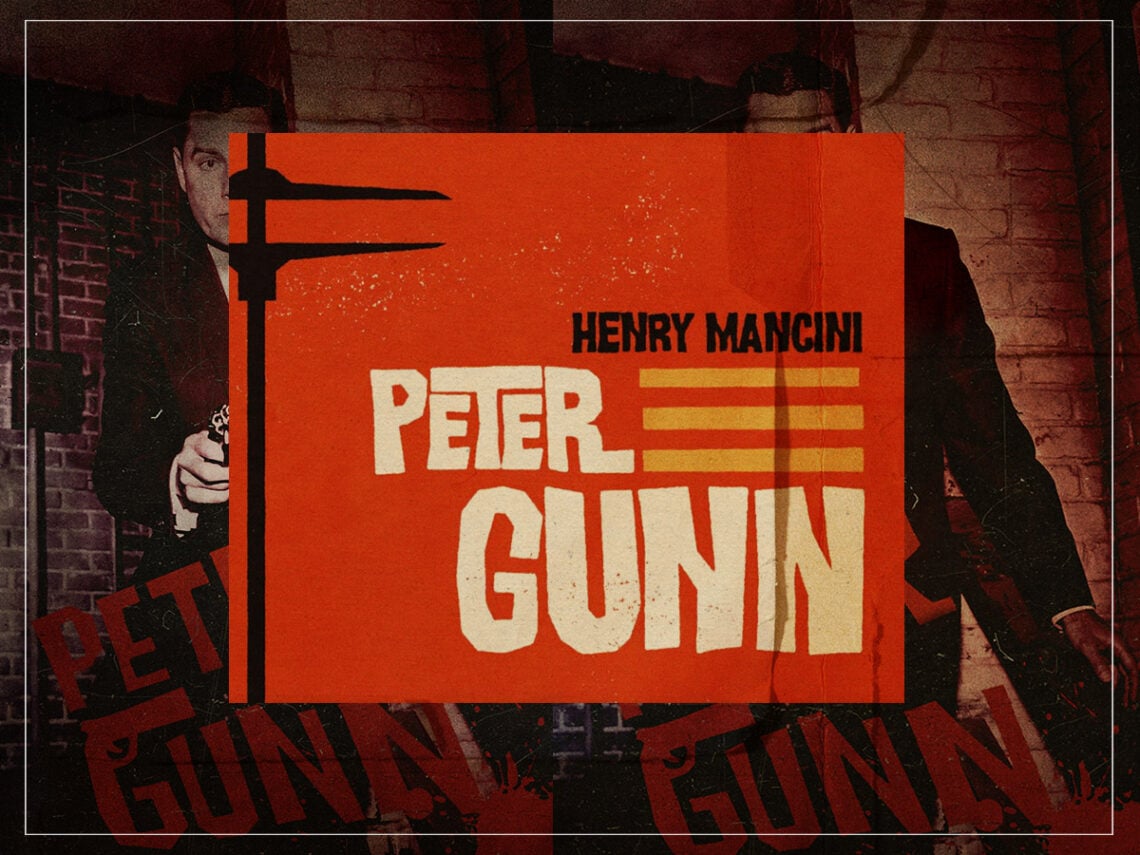
‘Peter Gunn’: the TV crime show that produced a timeless guitar riff

Every great television programme needs a great theme tune, from timeless classics like Neal Hefti’s Batman theme back in the 1960s to more modern favourites like Peep Show and its use of Harvey Danger’s ‘Flagpole Sitta’. In some very rare cases, the iconic nature of a show’s theme is enough to overshadow the programme itself. The American crime serial Peter Gunn is a prime example of this, with its incredible theme enjoying a legacy that has far outlived the show.
First hitting television screens in 1958 via NBC, Peter Gunn follows the exploits of the sharply-dressed, jazz-loving detective of the same name, played expertly by Craig Stevens. Running for three seasons, totalling 114 episodes between 1958 and 1961, the show was not a colossal success with audiences. There was no shortage of TV detective programmes during the late 1950s and early 1960s on either side of the Atlantic. So, while Peter Gunn certainly had its fans, it was never compelling enough to become a regular feature in the lives of the American viewing public.
If the narrative of the show was not enough to cement its place in the history books, then the theme tune to Peter Gunn certainly did. Composed by Henry Mancini for the show, the theme of Peter Gunn blends elements of orchestral jazz and abrasive rock and roll. At the time it was composed, rock music was just starting to creep into the mainstream of American culture, and Mancini wasted no time in harnessing its raw power and energy. What’s more, no sound could reflect the gritty nature of life as a detective quite like a dirty guitar riff.
The riff itself is a fairly simple one, composed of five different notes all played on the same guitar string. Despite its simplicity, the riff manages to capture the spirit and rebellion of early rock just as expertly as songs like Link Wray’s ‘Rumble’. Going a step further, though, the inclusion of orchestral jazz elements in the theme elevates the riff tenfold, giving it the kind of universal appeal that was not afforded to many rock songs of that era.
Reflecting upon the composition in his autobiography, Did They Mention the Music?, Mancini himself explained, “The Peter Gunn title theme actually derives more from rock and roll than from jazz. I used guitar and piano in unison, playing what is known in music as an ostinato, which means obstinate.” This gave the final piece a remarkable quality. “It was sustained throughout the piece, giving it a sinister effect, with some frightened saxophone sounds and some shouting brass,” the composer shared.
Eventually earning Mancini an Emmy for its trailblazing nature, the theme from Peter Gunn is representative of a different time in television, when even late-night detective dramas were given bespoke title themes by some of the greatest composers to ever work in the realm of film or television. However, the impact of Mancini’s stunning composition did not end when Peter Gunn went off the air in 1961.
Perhaps due to its simplicity, or the fact that it toed the line between rock and jazz, the theme from Peter Gunn has since proved itself to be adaptable to countless different styles. Covered by everybody from psychobilly progenitors The Cramps to the blockbuster duo The Blues Brothers, the sinister sounds of the theme have been a recurring sound within rock, jazz, soul, and funk music for upwards of six decades now.
Even during the heyday of the show itself, rock guitarist Duane Eddy had a hit single with his cover of the tune, and artists like The B-52’s, Jimi Hendrix, Ian Dury, Pulp, Elvis Presley, Quincy Jones, and Emerson, Lake, and Palmer, among countless others, have recorded their own versions of the theme, keeping its legacy alive and kicking.
When you think back to the most iconic rock and roll tracks of the late 1950s, your mind does not naturally arrive at the theme tune for a long-since-forgotten detective series. Nevertheless, Mancini’s Peter Gunn theme has enjoyed an era-defying, genre-spanning legacy that is virtually unparalleled by any other television theme out there. Its simplistic guitar riff defined the primitive and abrasive nature of 1950s rock guitar and guided many future artists along the way.
