


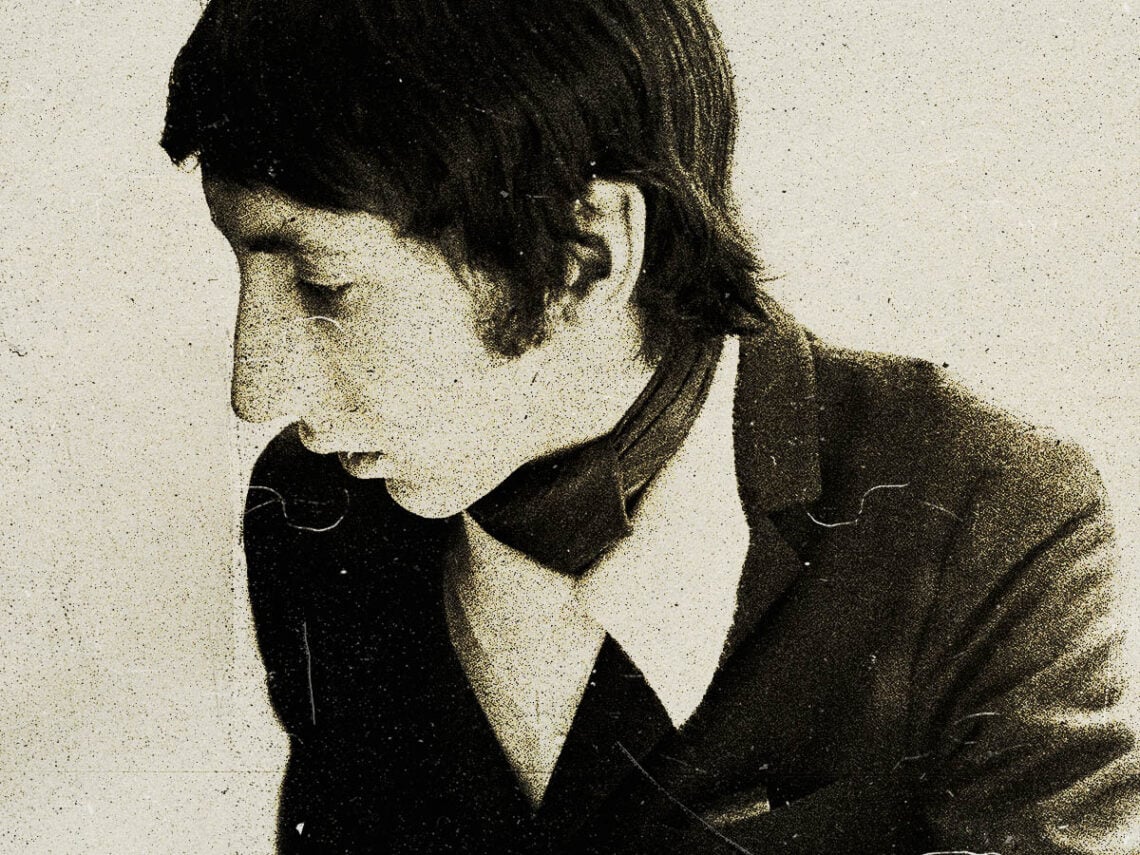
Pete Townshend on the classic rock song that “says everything”

As the guitarist and primary songwriter behind The Who, Pete Townshend established himself among his generation’s greatest songwriters. However, Townshend and The Who represented something much greater — they were the voice of a frustrated post-war generation. Pioneering the use of distorted guitars and wild on-stage performances, The Who were the embodiment of Britain’s rebellious youth.
Despite his image as the voice of 1960s youth and rebellion, as well as his close ties to the mod subculture, rooted in modernism and celebrating the new, Townshend always held a candle for 1950s rockabilly, too. Though it may have caused scorn from his mod mates, it was American rockabilly that first set Townshend on a path to musical greatness.
Admittedly, the early rock ‘n’ roll scene of the 1950s changed everything. Whereas, in previous years, music had mostly been reserved for older generations and characterised by technically proficient and well-respected musicians, rock ‘n’ roll brought music into the teenage consciousness. The power of the teenager should never be underestimated, and throughout the rockabilly revolution, America’s youth proved themselves to be an important demographic when it came to music.
As rock transcended the Atlantic, it caught the attention of a young Pete Townshend, who was instantly hooked. Initially drawn to the likes of Bill Haley’s ‘Rock Around the Clock’, Townshend soon took note of the edgier, angst-ridden rock ‘n’ roll of young artists like Eddie Cochran. The Minnesota guitarist regularly covered topics of teenage frustration and anger, which is perhaps why he was so loved, not just by rockabilly junkies, but by mods, rockers, hippies and, later, punks.
Such was his appreciation for Cochran that, in a 1968 interview with Rolling Stone, Townshend listed the track ‘Summertime Blues’ as one of his all-time favourites. “The rock ‘n’ roll songs I like, of course, are songs like ‘Summertime Blues,’ man that’s beautiful,” The guitarist shared. “It says everything: don’t have the blues, it’s summertime; summertime, you don’t get the blues in summertime!” he added. “There is no such thing. That’s why there’s no cure for them.”
‘Summertime Blues’ provided Cochran with his breakout hit in 1958, helping to establish the singer as one of the greatest exports of the rock ‘n’ roll boom. Reaching number eight in the US singles charts and 18 in the UK, the track paved the way for Cochran’s future hits, including ‘C’mon Everybody’ and ‘Somethin’ Else’ – both of which were later covered by the Sex Pistols.
Of course, The Who would later cover ‘Summertime Blues’, most notably on their seminal 1970 live album Live at Leeds. Covering a rockabilly icon was a fairly out-there move for a band so rooted in the mod subculture, but then again, The Who were a never band troubled by a desire for conformity.
