


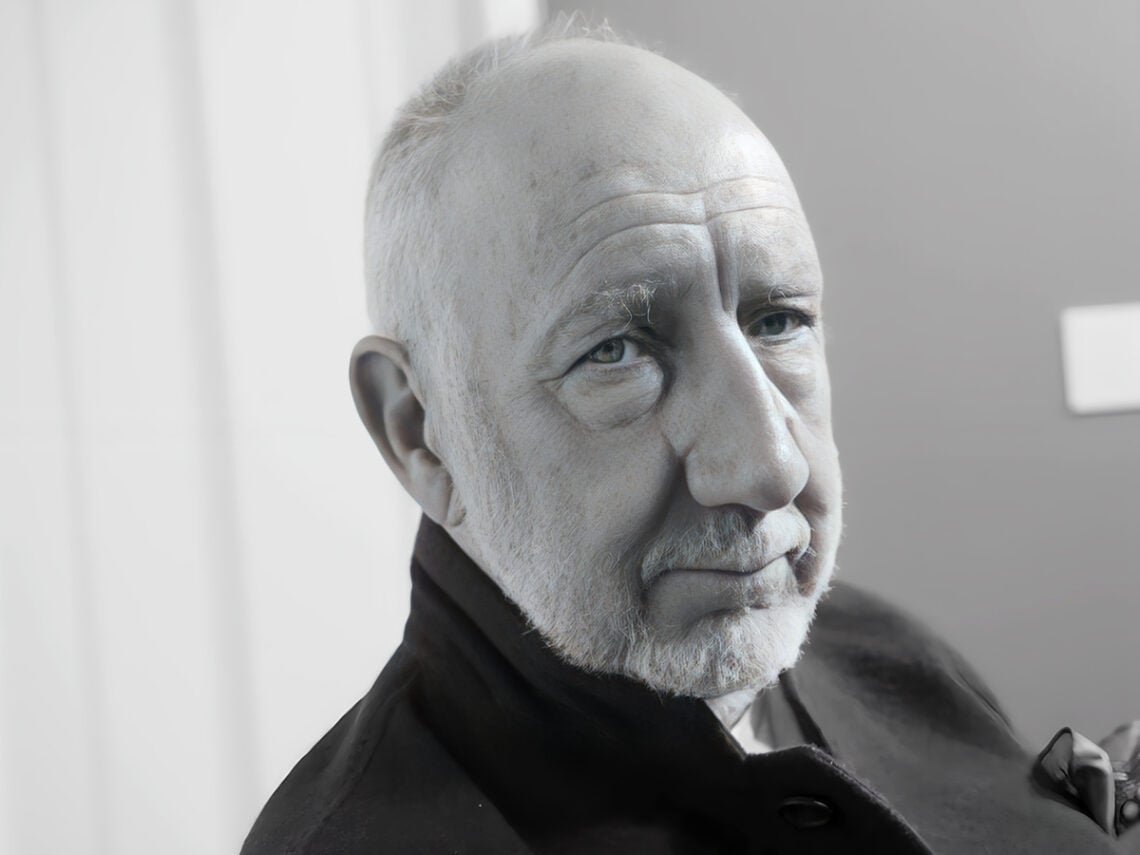
An Idol: Pete Townshend on the artist that “changed the function of the song”

To change the world tangibly takes a lot, and one man who has impressed his essence upon culture more than almost anybody is Bob Dylan. While he rose from inauspicious beginnings, the curly-haired bard would find himself in the right place at the right time and become the definitive voice of his generation, channelling the protest music of Woody Guthrie into something much more profound than even the great folk artist could conceive. It was people like John Lennon and Pete Townshend who followed his example and pushed culture forward after he broke out.
The world was caught unaware when Dylan burst onto the folk scene in the early 1960s. Although the era’s reflective take on the genre would find much success during the early years of the decade, when the fresh-faced troubadour was introduced by Joan Baez at the Newport Folk Festival in 1963, he found his status changing almost overnight. His insightful questioning of America’s social makeup and role in world events was of a kind that had never been done before.
While Bob Dylan’s self-titled debut album in 1962 caused waves within the beatnik-heavy folk clubs across the West, it was his 1963 follow-up, The Freewheelin’ Bob Dylan, that caused a cultural tsunami. Containing staples of the era such as ‘A Hard Rain’s a-Gonna Fall’, ‘Blowin’ in the Wind’, and ‘Masters of War’, it changed the dimension of music, shifting the playful transgressions of rock ‘n’ roll to something much more politically substantial. Across the board, songwriting grew up.
While The Beatles were open about their deference to the Duluth troubadour, one of the bands who took Dylan’s antiestablishmentarianism and made it more raucous by fusing it with the frenetic energy of their music was The Who, another driving force in ‘The British Invasion’. Whether it be their signature anthem, ‘My Generation’, or the likes of ‘Substitute’ and the defiant ‘We’re Not Gonna Take It’, some of their best cuts are brimming with the spirit of Dylan.
The Who’s creative director and guitarist, Pete Townshend, has commented on Dylan’s significance numerous times. While he might have also denigrated the American folk hero by commenting that the man behind the legend was actually very disappointing, and after he found this out, he “ceased” to be his hero, even before this supposed discovery of the truth, Dylan’s impact on Townshend and his generation was indelible. There was no going back for anybody after they first heard his music.
When discussing Dylan’s return to form when speaking to The Montreal Gazette in 2009, Townshend, who had already so openly decried the American’s personality, changed his tune once more. He asserted that Dylan changed “the function of the song.”
He said: “This is Bob’s due, his time, his legacy and his destiny. From the first moment I heard this wonderful man when I was just 16 I knew he would one day change the world, change the function of the song, and make a billion dollars. The last part is possibly still to come.”
While Townshend would also stick to his rebellious roots by commenting that Dylan’s friendship with the head of Apple, Steve Jobs, was surprising, The Who man maintained that it was great to see him back at the top of his game and opening up properly in interviews, dispelling the longstanding myths. This was a cause for re-evaluation.
Seemingly referring to his previous comments about his personality, Townshend remarked that if Dylan had opened up so honestly to the masses years before, they would have made him much richer. He concluded: “For my part, he’s given me enough to last many lifetimes.”

Never Miss A Tale
The Far Out Bob Dylan Newsletter
All the latest stories about Bob Dylan from the independent voice of culture.
Straight to your inbox.