


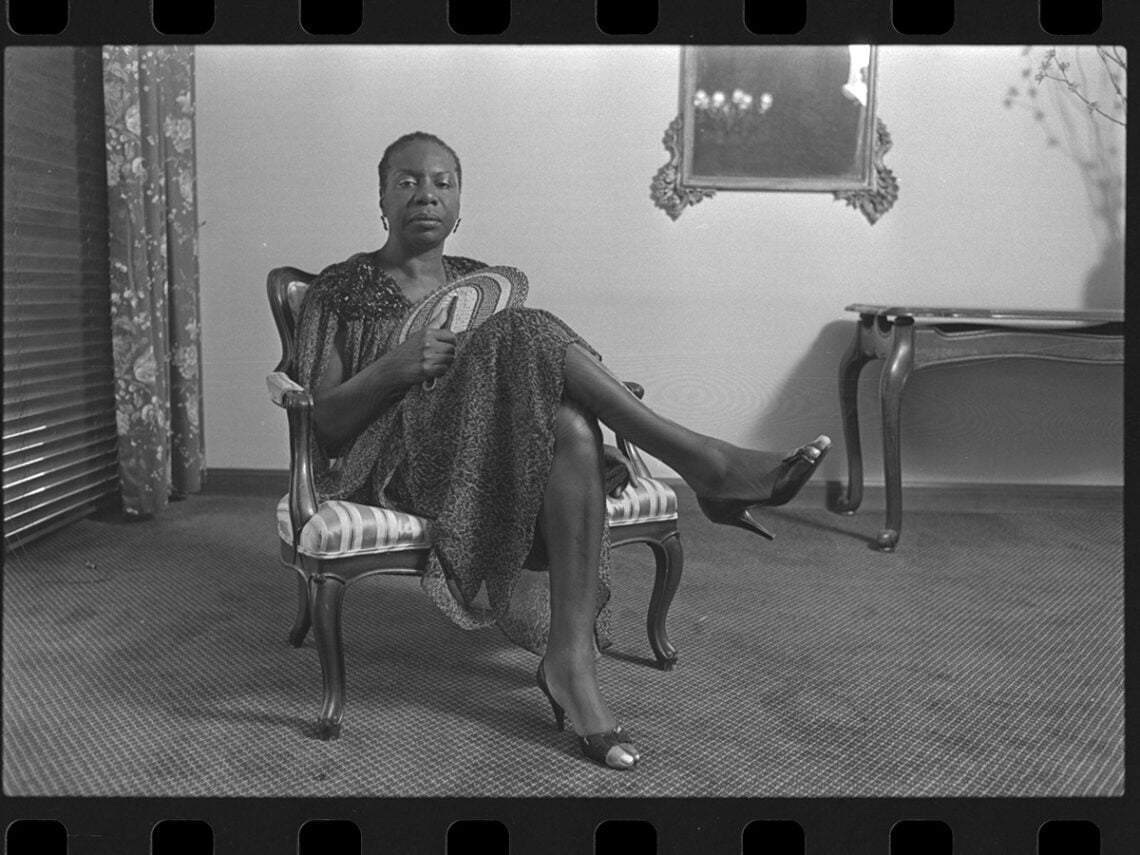
The performance so powerful it took Nina Simone “five years to recover”

Live performance is a truly powerful art form, attempted by many and mastered by very few. One artist who always recognised the inherent power of performing live was Nina Simone, who always utilised live shows to the full extent of their potential. From her early days in late-night jazz clubs playing to a smattering of people to her iconic appearances at the Montreaux Jazz Festival, the songwriter and pianist always played directly from her soul to the amazement of audiences across the globe.
Simone’s career was always unique within the world of American jazz music. A classically trained pianist from a young age, the songwriter had little desire to break into the musical mainstream by adopting a pop style. Despite this, her entry into the music industry came through performing in jazz clubs and bars, honing her craft and penning a litany of tracks now treasured as jazz standards. Her debut album, Little Girl Blue, was deemed a commercial failure, but it helped to establish Simone as a stunning new voice for American jazz.
In subsequent years, Simone managed to break into the mainstream, largely thanks to her unique blend of jazz, R&B, and soul music. Despite her initial apprehension to adopt these styles, she soon discovered that her newfound popularity allowed her to communicate defiant messages of support and awareness for the civil rights movement and the historical struggle of Black Americans.
Pioneering civil rights anthems like ‘Four Women’, ‘Young, Gifted, and Black’, and ‘Mississippi Goddam’ were incredibly powerful works, particularly when performed live by the pianist. Simone poured so much emotion into every song and every performance, leading to truly awe-inspiring and occasionally confrontational performances. Inevitably, these passionate performances took their toll on Simone herself as a performer.
During a 1968 interview with Blues and Soul magazine, the performer opened up about the difficulties of putting so much passion and emotion into performing certain songs. For instance, upon mention of the blues standard ‘Goin’ Down Slow’, originally written by St Louis Jimmy Oden, Simone responded, “If I sang that I’d be out of action for five weeks – it’d tear me up so much that there’d be no living with me.”
In a similar way, the pianist spoke of the song ‘Pirate Jenny’. Originally written for Bertolt Brecht and Kurt Weill’s 1928 musical The Threepenny Opera, the song tells the tale of a prostitute who has been bribed to give her former lover away to the police. When Simone got her hands on the song, most notably performing it at her Carnegie Hall show in 1964, she transformed it into a gut-wrenching anthem for the civil rights and Black Power movement.
Her rendition of ‘Pirate Jenny’ is undoubtedly among her most passionate and earth-shattering when it comes to her live performances. In fact, the pianist performed the Brechtian track with such a passionate intensity that, according to her, it took “five years to recover.”
Of course, Simone was prone to being satirical in certain interviews, but it is difficult to denounce her claims given the clear physical effort put into the performance of ‘Pirate Jenny’. Even now, decades later, you can still hear her performance’s emotional effort in that show’s recordings.
