


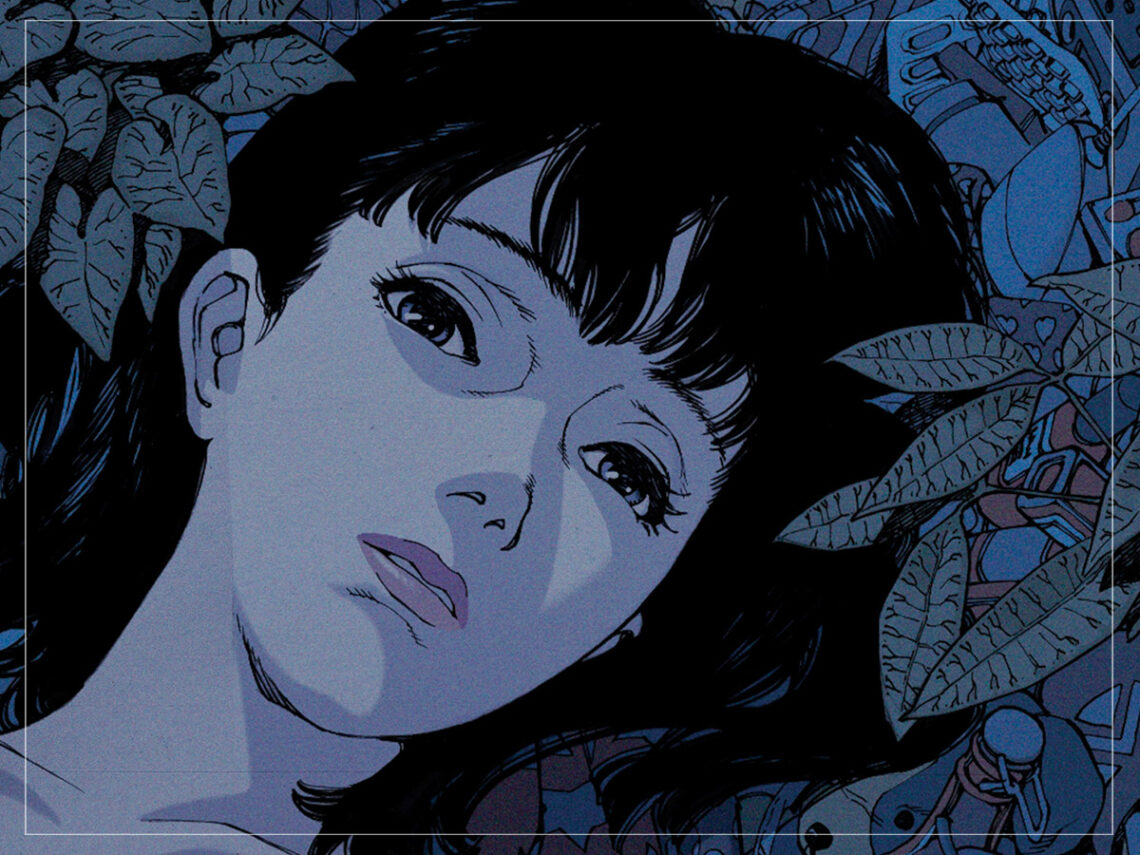
Why ‘Perfect Blue’ could be a commentary on Disney child stars

The world of Hollywood is dystopian and exploitative at best, and because many filmmakers today operate within that very system, it’s rare to see films that effectively satirise or mock its insidious practices. Since these directors depend on the industry to make more films, they are often unable to tell stories that truly confront the evils and injustices of the gilded cage. This means Hollywood is rarely challenged by the people who “make it”. After all, if you do, rule number one is simple: don’t criticise the club. However, one film stands apart—a work ahead of its time in dissecting exploitation and misogyny in the entertainment industry. Released in 1997, its chillingly relevant commentary could just as easily apply to the goings-on of today.
Perfect Blue, directed by Satoshi Kon, is a dark and disturbing story about a pop star called Mima who is encouraged to accept a role in a popular TV show. However, she soon finds herself being stalked while her collaborators on the show are mysteriously murdered. The Japanese director, also known for Tokyo Godfathers and Paprika, creates a sinister exploration of the practices within the film industry and the idea that female artists are commodified and sold to fulfil the public’s perception of them.
After signing her image away to this show, her identity becomes lost within the character she plays, with her fans expecting her to behave in a way that matches their assumptions about her. Because of this, she slowly begins to fade away into the background as her true self becomes consumed by the idea of celebrity, with her past image now being lost entirely and permanently in service of fulfilling a false image of herself.
Given that it was released in 1997, Kon has his finger directly on the pulse of the issues that still plague the industry today, predicting the commodification of the self in pursuit of fame and pleasing our audiences. This is something that most impacts women and people of colour in the industry, expected to adhere to one strict image and being attacked each time they stray from it.
But perhaps we can see this the most with the women who make their start in the industry as children, with the likes of Sabrina Carpenter, Cyrus and Zendaya being subject to intense scrutiny and criticism about their careers after working for Disney. All women started out as child actors on shows like Hannah Montana, KC Undercover and Girl Meets World, all being expected to fulfil very narrow expectations about the trajectory of their careers after leaving the Disney bubble.
Carpenter and Cyrus, in particular, have been relentlessly harassed for writing songs that have allusions to sex, with some media outlets and people on the internet expressing their disapproval of these adult women having any kind of sexual agency/desire. Because these women only existed in the public sphere as very limited and controlled versions of themselves, expected to live in service of their characters on screen and so when they asserted their identities outside of these shows after growing up, some audiences reacted in a way that highlights the true evil at the heart of the industry – that these women are not seen as people, they are seen as objects of entertainment. Self-fulfilment and realisation are naturally not encouraged for any object, and so when they express thoughts and ideas that aren’t in line with their ‘old’ on-screen personas, people react with intense vitriol and entitlement towards their very being.
The messaging within Perfect Blue is scarily relevant even today, reflecting the possessiveness people feel over women in the public eye and the underlying misogyny when they don’t act in accordance with these carefully controlled images. It is not the responsibility of Carpenter, Zendaya and Cyrus to fulfil these dated perceptions about themselves, and Perfect Blue perfectly captures how insidious and limiting this expectation is, with Mima being used until her true self disappears completely, lost in the persona of the character that audiences expect her to play.
Kon is commenting in many ways on the entanglement between our public and private selves and how, with the rise of celebrity culture and more ways for everyday people to sell their image, the line between both is fading. If we aren’t careful, there will be no separation between the public and private self, and we’ll all be expected to put on a performance in our waking lives, with authenticity becoming a concept that is pushed to obsoletion.
