


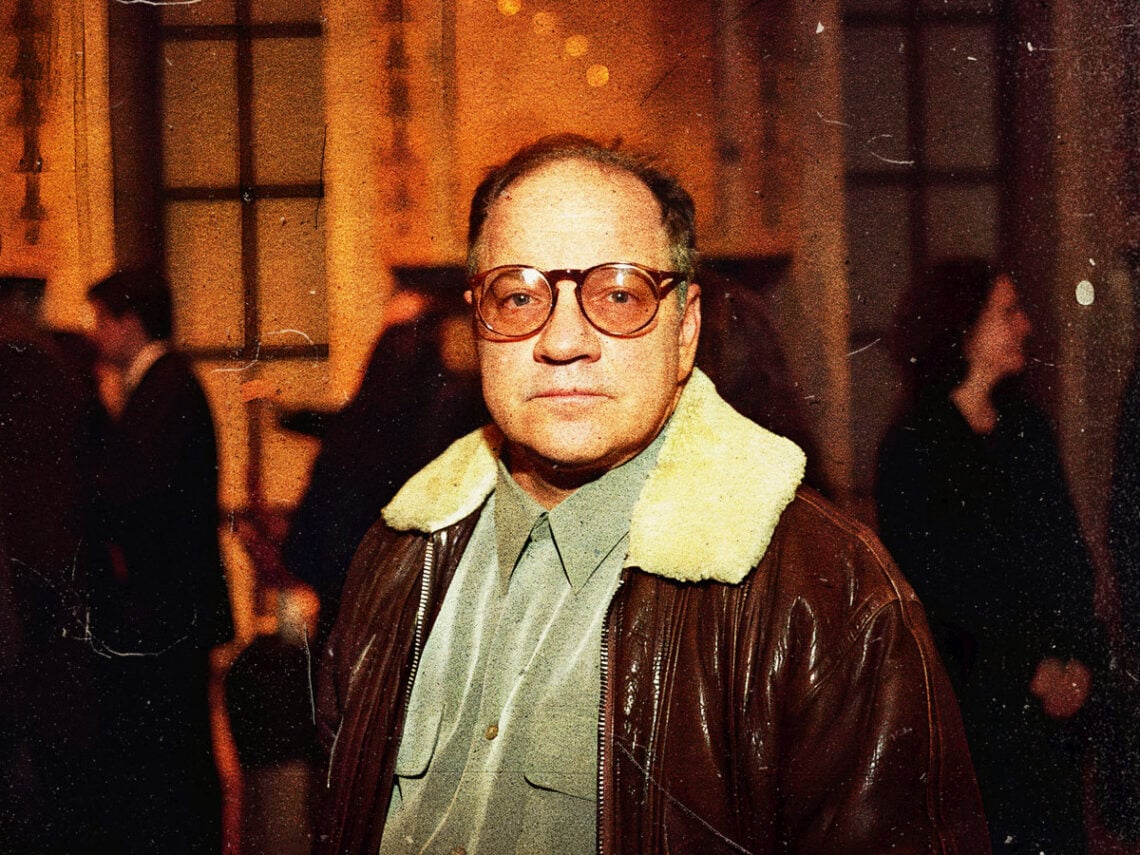
Paul Schrader once named “the definitive mistake in the history of AFI”

Paul Schrader famously didn’t see his first film until he was 17 years old, but later went on to sell his first screenplay for $300,000 and worked as a professional film critic in the years leading up to the success of Taxi Driver, writing for publications such as Cinema, the LA Free Press and KPFK. How did he do it?
Schrader had never intended to work in the film industry, but after a chance encounter with legendary film critic Pauline Kael, she advised him to write about movies instead of becoming a minister and that if he ever wanted to study film at UCLA, she could help him find a place. After growing up in a strictly religious household that had banned music and movies, this seemed like a far-fetched idea. But after taking a short film course at Columbia, Schrader slowly warmed to the idea, and several years later, he called Kael to take up her offer of studying at UCLA, to which he shortly graduated and progressed to the prestigious American Film Institute.
The AFI is an infamous film school in the heart of the Hollywood Hills that was created to celebrate, preserve and encourage a thriving film industry in the United States and was one of the first institutions to understand the link between a flourishing artistic voice and the maintenance of a strong national identity. The AFI has been home to many of the key figures within the American film industry, with filmmakers such as Terence Malick, Darren Aronofsky, Andrea Arnold, Ari Aster, Julie Dash, David Lynch and Todd Field beginning their careers there.
However, Schrader has been critical of some of the practices within the school, famously resigning from his teaching position in protest of funding being cut from the research and critical studies department. But less famously, Schrader has also criticised another aspect of the institution – the infamous Greystone Mansion, which served as a campus for the AFI for sixteen years before moving to its facility in Los Feliz.
The Greystone Mansion is a (now historically protected) building in Beverley Hills that first gained notoriety after the Plunkett/Doheny murder-suicide in 1929, which happened inside one of its rooms. The house remained with the family until the 1960s, before it was sold and loaned to the AFI as their main campus. The building was used as a school and film studio, with infamous scenes from films such as Mulholland Drive, There Will Be Blood, The Big Lebowski and The Social Network being shot in and outside the building.
However, Schrader spoke about his disagreement with the school’s belief that the Greystone was what drew students towards studying at the AFI. He spoke about how George Stevens, one of the founders of the AFI, believed that Greystone was pivotal in the AFI’s success, saying that “the motion-picture business is a very rich and success-oriented business, and you will have to identify yourself at this level. If we didn’t have an institution like Greystone, we couldn’t get people like Heston, Wilder, Wyler, to come here.”
Essentially, Stevens believed that because the film industry is a financially and materialistically motivated business, without a building like the Greystone (which is very exclusive and elitist), high-calibre students wouldn’t be interested in studying at the AFI.
Schrader believed this to be one of their greatest mistakes, that they didn’t understand the motivations or priorities of American filmmakers if they truly thought that they would only visit the institution because of its wealth and status, that ultimately, it was dismissive towards the passion and integrity of these directors.
Schrader stated, “They’re decent men and do respect their craft. You don’t need a Greystone to get them. It reflects Stevens’s total misunderstanding of what it meant to be an AFI student.”
Ultimately, Steven’s statement goes against Schrader’s own creative philosophy and that any true artist will not be swayed by money and exclusivity. The work created by the filmmakers who studied at the AFI speaks for itself: a group of creative misfits who refuse to stick to the typical Hollywood conventions, even whilst being part of an institution that’s right in the heart of Hollywood. Maybe the Greystone isn’t key to any of their success, but perhaps being so close to the decision-makers and people with power slightly contributes to their ability to bend and break the rules. Because when it’s happening under their noses, maybe it’s easier to get away with…
