


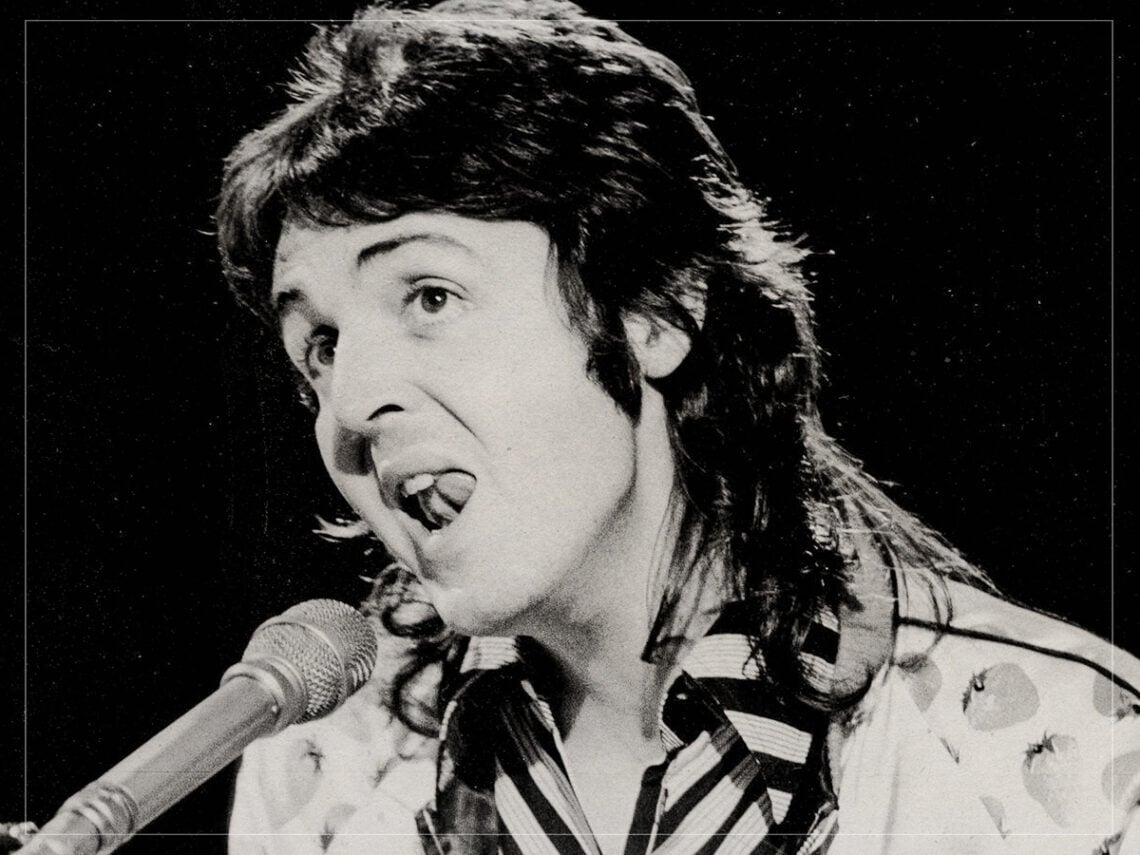
The 1962 concert that Paul McCartney called The Beatles’ lowest moment: “Three people showed up”

Every move that The Beatles made, especially in their early days, has been glamorised and romanticised to a wild degree that contrasts with reality.
While their pre-fame residencies in Hamburg were crucial in the Fab Four’s journey, teaching them the art of live performance, it came at a human cost. They worked within an inch of their lives, and residing in squalor, which paints a much less glossy picture than the one most often presented.
As much as The Ed Sullivan Show did make them overnight stars in the US, it wasn’t quite the same in the UK. Before making it, they played anywhere that would have them, if the fee would cover costs for travel, accommodation, and a drink behind the bar.
In those days, they grew accustomed to hostile crowds as unknowns and had to work hard to win their favour during live performances when they travelled outside Liverpool.
Their reputation in their hometown counted for nothing when they ventured out of their comfortable Merseyside surroundings. At this stage, audiences viewed The Beatles as just another upcoming band, who likely would go nowhere and be forgotten.
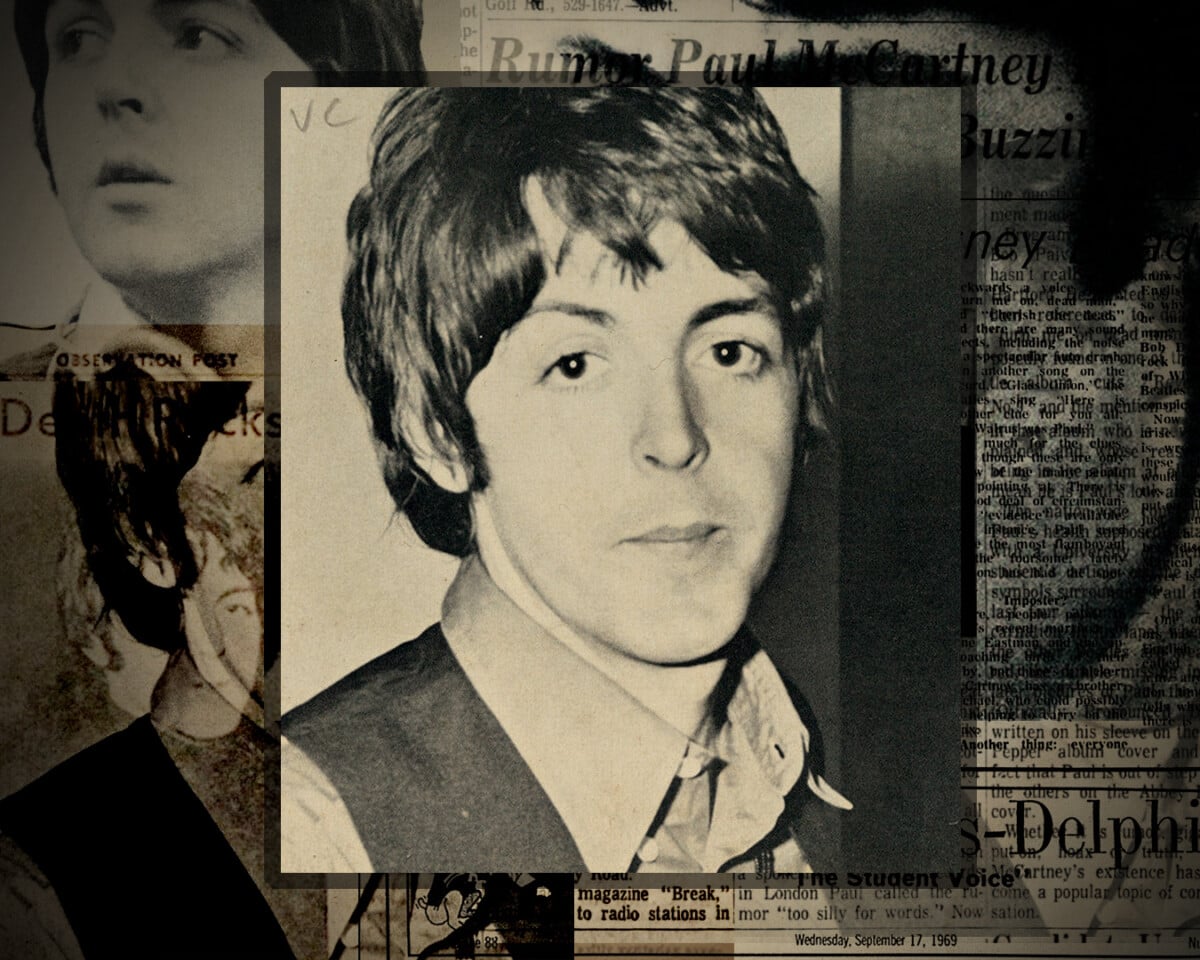
Usually, during these days, on the rare occasions when they’d perform outside Liverpool, it was in Manchester or London rather than small towns. Nevertheless, they weren’t yet in the business of turning their nose up at gigs and couldn’t say no when the offer came through to visit Stroud.
The Beatles’ concert at The Sub Glub in the sleepy Gloucestershire town on March 31st, 1962, which is now in the annals of history. While The Beatles only had modest expectations for the show, even that turned out to be wildly optimistic.
The Beatles were paid a whopping £32 for the performance, which, even accounting for inflation, would barely cover travel expenses and a hot meal. That didn’t matter to them, however. The Fab Four weren’t traipsing across the country to line their pockets; it was a chance to gain experience and improve as a live outfit.
According to Paul McCartney, embarrassingly, only three people were in attendance. He later told the BBC that it was their worst-ever concert, admitting, “Stroud was pretty bad….. We’d never heard of it, but we went there and I think about three people showed up. Some of them were Teds and started throwing money at us – throwing pennies at us – but we just picked it up and thought, ‘That’ll do it'”.
The troublemaking Teds were supposed to be banned from attending the show at the request of local authorities. Before the concert, a flyer was issued that stated: “At the request of the Council – No Teddy Boys and Ladies please do not wear stiletto heels.”
Beggars can’t be choosers, however, and they needed as many people through the door as they could get.
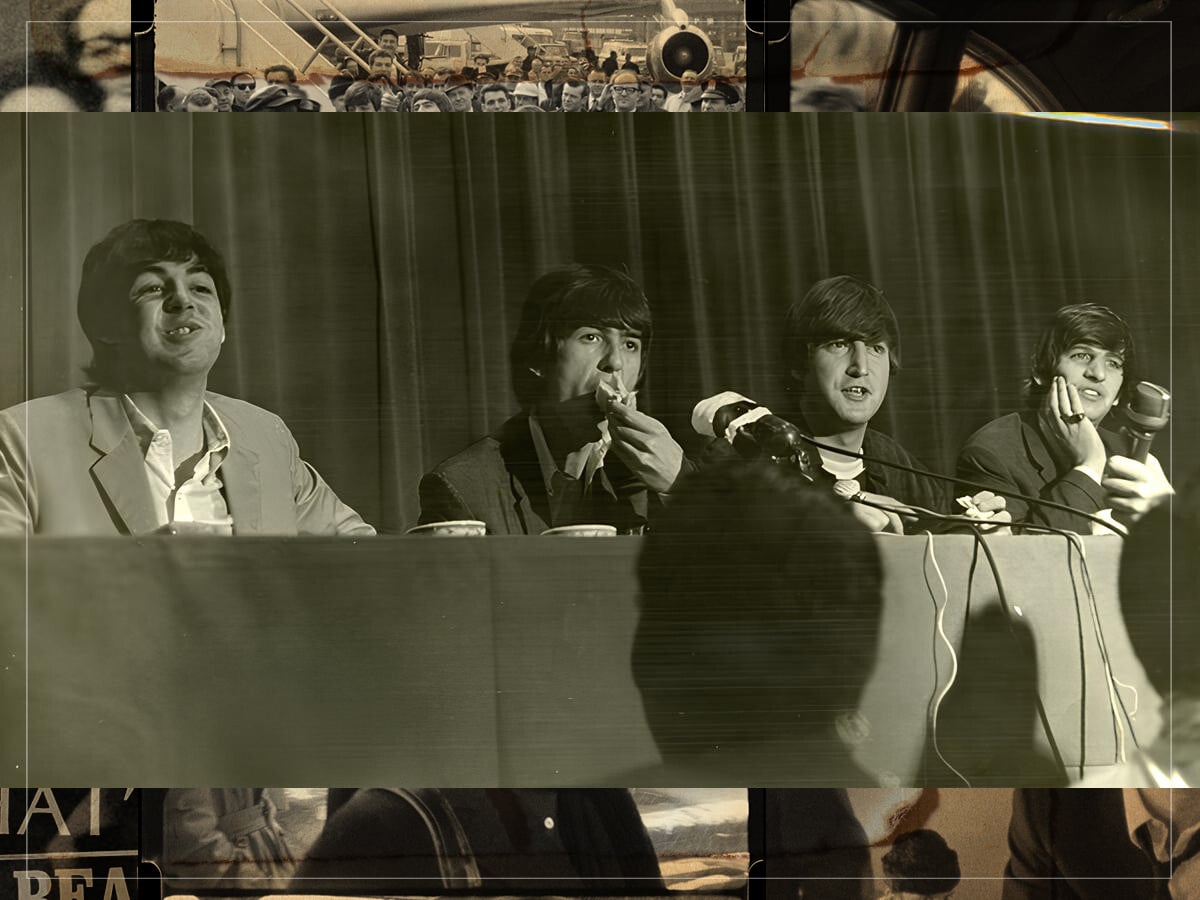
While the people of Stroud, seemingly, didn’t care for the Fab Four in 1962 and spent their evening doing anything else but watching them perform, the concert has since become an important part of local Gloucestershire history.
In 2016, author Richard Houghton appealed for people there on that infamous night to come forward, and much to his delight, Roger Brown raised his hand. The attendee recalled the famous evening: “They were billed as Liverpool’s number one group, which did not mean as much to us in Gloucestershire. John Lennon said he was going to play this new record. Knowing the quality of the normal Saturday night groups I waited for them to spoil the song. Wow – was I surprised. John Lennon on the harmonica was really great and their version was better than the original. I was a fan from that day.”
Although it was the worst concert in The Beatles’ history, they returned to the scene of the crime six months later and performed again in Stroud. Therefore, it couldn’t have been that much of a hellish experience that McCartney claimed it was.
However, after their second visit to Stroud, their fortunes would change shortly afterwards, and the days of having coins lobbed at them by an audience of three people were relegated to ancient history.
Thankfully, hellish shows of this nature were nothing more than a learning curve rather than a typical Saturday night. Also, the fact that McCartney remembers it so clearly suggests that The Beatles rarely had shows that went this badly.

Never Miss A Beat
The Far Out Beatles Newsletter
All the latest stories about The Beatles from the independent voice of culture.
Straight to your inbox.