


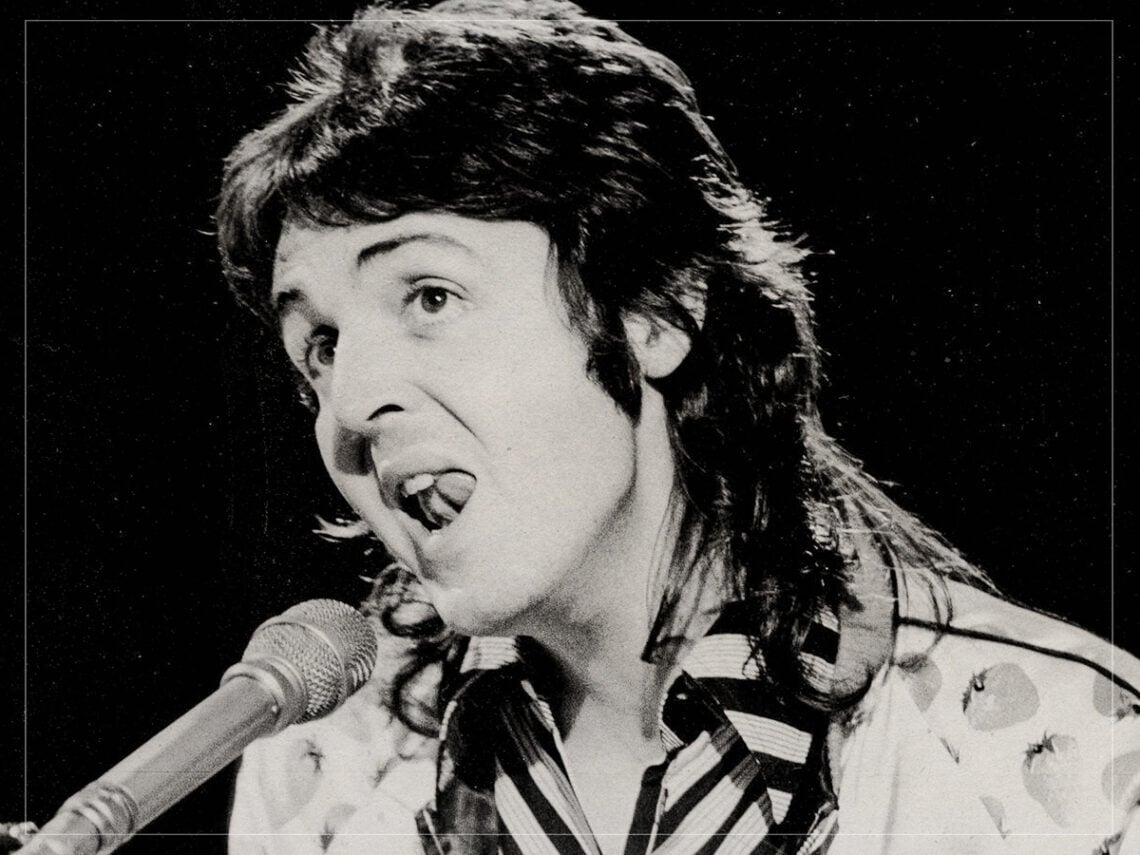
Paul McCartney explains the biggest “difficulty” when leaving The Beatles

The collapse of The Beatles has been analysed endlessly. There are books, documentaries, and countless articles trying to unpack what happened. But really, the mechanics of the split aren’t the most important part. What mattered more was the end of a deep friendship and a once-in-a-lifetime creative bond. As each member moved into solo work, the emotional and artistic fallout was something no expert could fully capture. Even Paul McCartney found it hard to make sense of.
It’s easy to forget the human side of things. Sure, by that point, the Fab Four were four of the most famous men in the world. The breakdown of the band became the whole world’s business because of that fact, as every music fan across the globe wanted to understand what had happened, who was to blame and especially, what was next.
For some of the members, that seemed simple. By the time the split happened, George Harrison seemed to know exactly what he wanted to do. With a lengthy list of songs rejected by the band, his transition to a solo artist seemed pretty easy as a team of A-list collaborators like Bob Dylan and Phil Spector rallied around to help him. John Lennon seemed to handle the change well, too. He had Yoko Ono and the Plastic Ono Band as something to focus on and find a new footing. Ringo Starr spent some time dipping around, helping out his old bandmates in no real rush to release his solo debut. But for McCartney, it was a struggle.
Obviously, the split hit each member differently, but it often feels like McCartney carried the emotional burden. He also took much of the blame, especially after opposing Allen Klein and eventually suing the band—moves that drove the final wedge between them. Even in the Get Back documentary, it’s clear he was the one trying to keep it all together. So it makes sense that he struggled most with letting go and finding his next step.
For a moment, he wasn’t sure there would be a next step. He questioned “whether I was still going to continue in music”. But after retreating into family life to recover from the split, setting up a home studio, and working in secret with no collaborators, he slowly began to find his footing. The next question, though, was one of sound.
“There was this difficulty – you’re thinking, ‘Well, now what am I going to do, just make records that sound like the Beatles? Or, am I going to try and go in a completely different direction and do something that’s really not like the Beatles?’” he explained. For his debut, McCartney, he ignored that as much as possible. Still in the shroud of struggle following the split, he was tunnel-visioned, trying to simply get some music out.
It was after that that this question got loud. The solution to that struggle? Wings. “So we started the group Wings, and then I just thought, ‘Sod it, I’m going to write some stuff that I want to write and keep it away from what the Beatles might have done with it’,” he added.
But eventually, all things have to come home. McCartney could never truly reject the Beatles-isms in his work because he was the Beatles. His songwriting was a foundation of that group, so no matter how hard he tried, elements of the band’s sound were going to come back. Slowly, he realised that, too, he just needed to establish himself first. “Once that was established with a few hits of our own, like ‘Jet’ and ‘Band on the Run’ and things like that, then I thought it was okay to do Beatles stuff again, because I’d proved my point to myself,” he said.
“These days I do lots of Beatles things, it doesn’t matter any more, I’m happy to do anything,” he said as his shows now combine elements of every year, every era, every band. But he added of those early years, “At first it was a little bit difficult, I must admit.”

Never Miss A Beat
The Far Out Beatles Newsletter
All the latest stories about The Beatles from the independent voice of culture.
Straight to your inbox.