


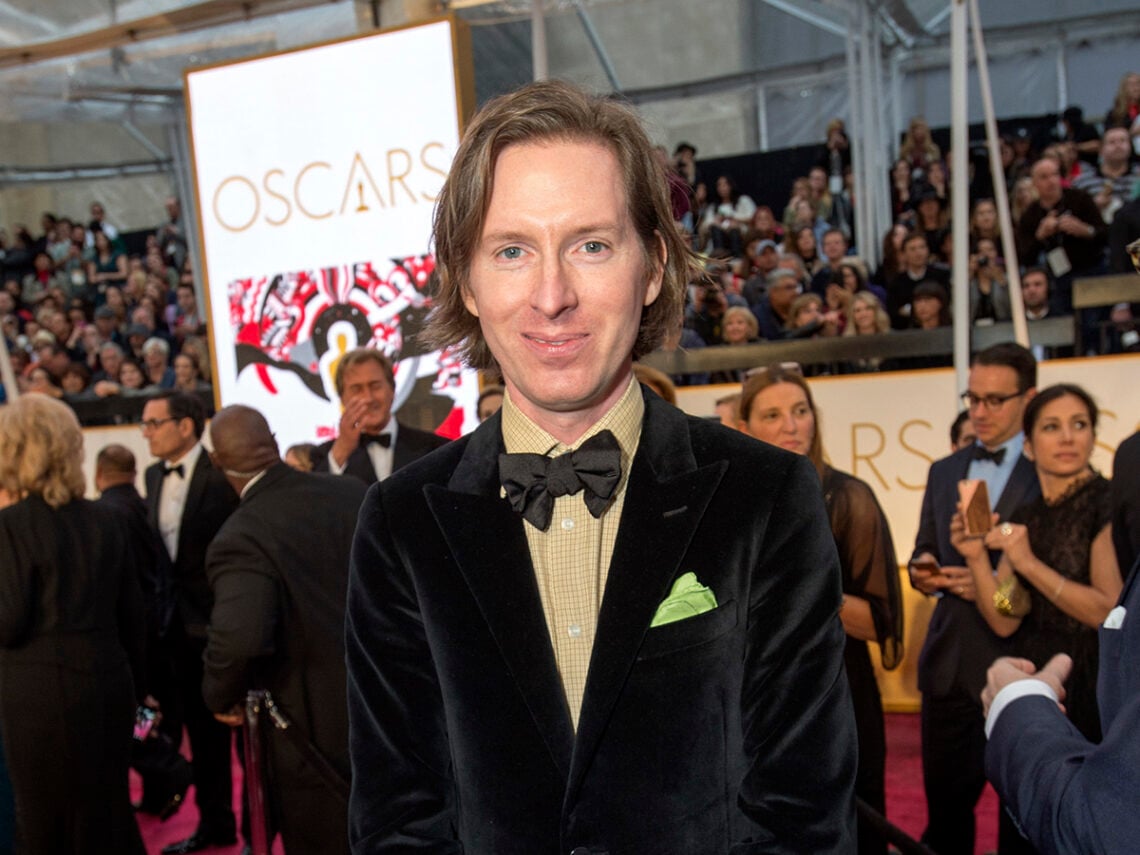
Oscars 2024: Wes Anderson’s win sullies the ‘Short Film’ category

To question the delectable filmmaking mind of American filmmaker Wes Anderson is to start an argument that you are destined to lose. Indeed, even if you feel allergic to the director’s twee filmmaking tendencies and systematically symmetrical approach to cinematic form, there’s no doubt that he is one of the most unique talents in contemporary medium, changing how media is made and consumed with such classics as 1996’s Bottle Rocket and 2014’s The Grand Budapest Hotel.
Yet, marvellous the man may be, his recent Oscar win for ‘Live Action Short Film’ is something of a crime against low-budget indie filmmaking, the exact brand of cinema that he helped pioneer in the 1990s. Indeed, while the Oscars are a night of Hollywood ego-rubbing excellence, where actors, directors and screenwriters are given their plaudits, they are also, more importantly, one of the only occasions when the Academy cares to shine a light on the young creatives and technical marvels who are soon to be the next big thing.
Sure, the annual red-carpet event is huge for the likes of Christopher Nolan, Cillian Murphy and Bradley Cooper, but it arguably means far more to the young filmmakers nominated in the ‘Short Film’ categories, hoping that this can be their first step in a promising career. Why, then, in an industry so bereft of originality and in need of distinct new voices, did the Academy choose to award Wes Anderson with a win in the ‘Live Action Short Film’ category over a significantly more unknown name?
Cynics will say that this is because if the Academy voters have seen any of the short films nominated, it will most likely be Anderson’s, but regardless of the reason, this decision provides a moment of full transparency, where the veneration of the Oscars’ own self can be clearly witnessed. This is not a ceremony that gives voice to the burgeoning talents of the industry. It is, and, indeed, always has been, a PR vehicle for Hollywood.
To make matters worse, Anderson’s short film, The Wonderful Story of Henry Sugar, is his worst in quite some time, paling in comparison to the release of his last Roald Dahl adaptation in 2009’s Fantastic Mr. Fox. Despite the sweetness of its name, Henry Sugar is a disappointingly bland experience that demonstrated just how thin an Anderson project can be without the proper story to back up his consistently dazzling visuals.
Meanwhile, director Lasse Lyskjær Noer is left to lick his wounds despite making a far superior short film in Knight of Fortune, a powerful drama that tells the story of a man who allows his grief to overpower him, being unable to face the death of his recently-departed lost one. Crafting a central character who so powerfully resonated in just the space of a half-an-hour film, Noer deserved all the plaudits, yet, alas, he will return home with just a pat on the back if the Academy even bothers to do so.
Put simply, such ‘Short Film’ categories should be reserved for up-and-coming talents and storytellers wishing to tell special, pertinent tales, just like the ‘Best Picture’ category largely discriminates challenging pieces of cinema by the most influential filmmaking talents. And to Anderson, it’s about time you won your Oscar, but this one most definitely comes with an asterisk.
