


Orson Welles turned down two movies because he “couldn’t stand” his co-star: “I hated her”

Orson Welles set the benchmark for cinematic success when he made Citizen Kane at just 25 – not only writing and directing it, but starring in the film, too.
As someone with less than a year to go before I reach the same age, I can’t help but wonder how Welles managed such a feat. I’ve still got countless unfinished projects on the go, and none of them are on the level of Citizen Kane, I can tell you that for sure.
Clearly, Welles possessed some wunderkind level genius, having found success as a theatre director when he was barely even old enough to buy alcohol in his native country. The American filmmaker soon became a figurehead of Hollywood following the release of Citizen Kane, gracing screens alongside everyone from Trevor Howard to Kermit the Frog. Welles certainly had diverse taste.
Welles was arguably one of cinema’s earliest divas. Plenty of female actors were torn apart for purportedly being demanding and ‘high-maintenance’, but absolutely no one graced Old Hollywood with as much stubbornness and perfectionism as Welles. He wasn’t going to take shit from anyone, even if they hadn’t caused him any harm. His opinion was final.
If Welles didn’t like someone, he wasn’t going to work with them. End of. In life, we have to look past our personal differences with certain people, that’s just the reality of being human, but Welles seemed to see himself as above everyone else; he didn’t think he had to put up with the same levels of mediocrity as everyone else, it seemed.
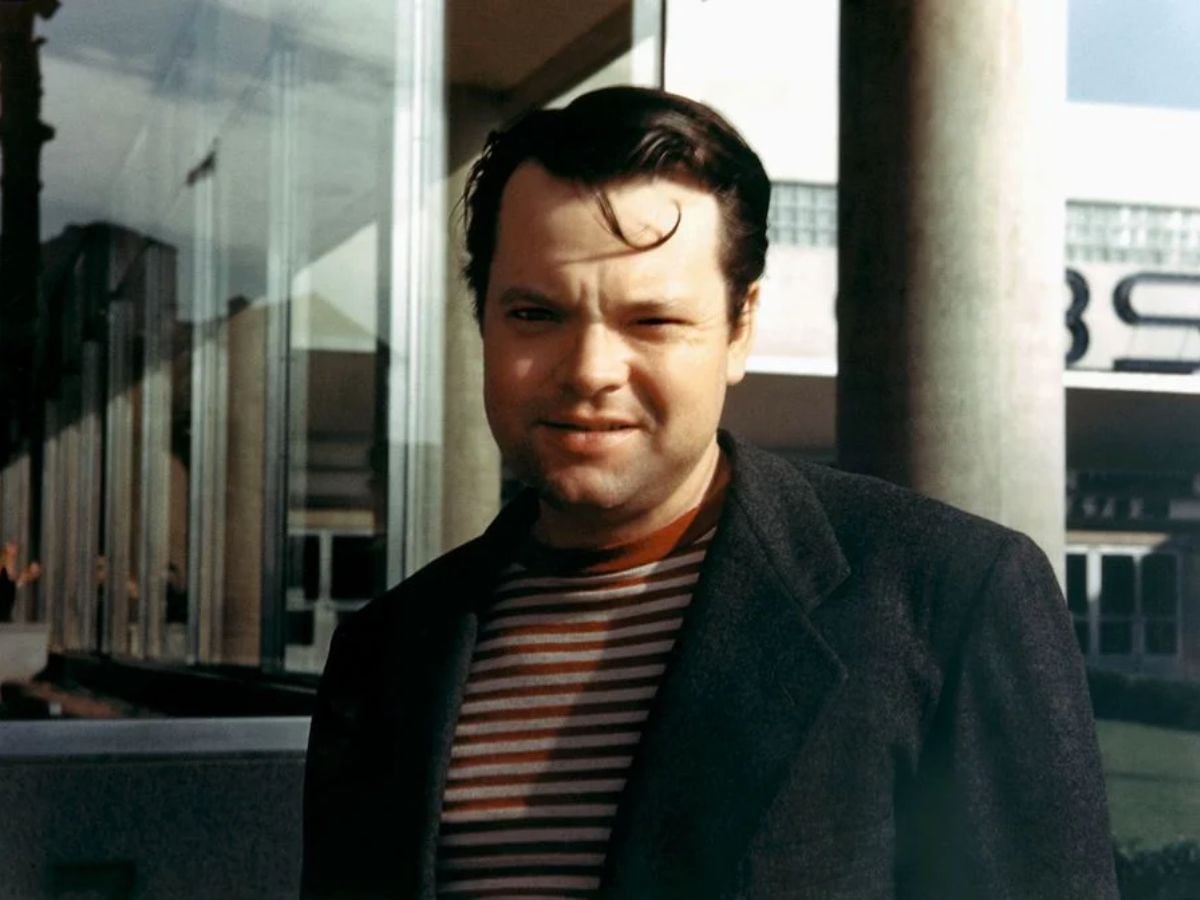
In My Lunches with Orson: Conversations Between Henry Jaglom and Orson Welles by Peter Biskind, some revealing discussions illuminated just how set in his ways the director could be. Asked about turning down Anna and the King of Siam, Welles explained, “Because I couldn’t stand Irene Dunne, who had already been cast. That’s why I turned down Gaslight, too. She was going to do it. And then after I turned it down, they got [Ingrid] Bergman, and I was out. Irene Dunne. Dumb. Dumb, dumb.”
The first film, released in 1946, saw Rex Harrison take on the role of King Mongkut instead. It was a success, but Welles seemed happy enough not being a part of it if it meant avoiding Dunne.
Gaslight was directed by George Cukor and initially planned to star Dunne, with The New York Times announcing in a 1942 article that she’d be appearing alongside Melvyn Douglas. However, the movie went through significant cast changes, leaving Bergman and Charles Boyer as the new leads.
Maybe if Welles hadn’t reacted so strongly to Dunne’s potential casting, he might’ve ended up in the film opposite Bergman, but he got out of there faster than a bat out of hell. Gaslight was another big success, and it racked up seven Academy Award nominations for its brilliance.
But why did Welles hate Dunne so much? For him, the answer was simple. “To me, she was the nonsinging Jeanette MacDonald, you know. And I hated her as an actress. She was so ladylike that I knew there wouldn’t be any electricity between us.” Poor Dunne.
Hopefully Dunne didn’t take it too personally, because Welles hated many classic stars. From Laurence Olivier, whom he called “stupid” to Richard Burton (“He’s become a joke with a celebrity wife. Now he just works for money, does the worst shit”), Welles was forever one of Hollywood’s most opinionated loudmouths.
