


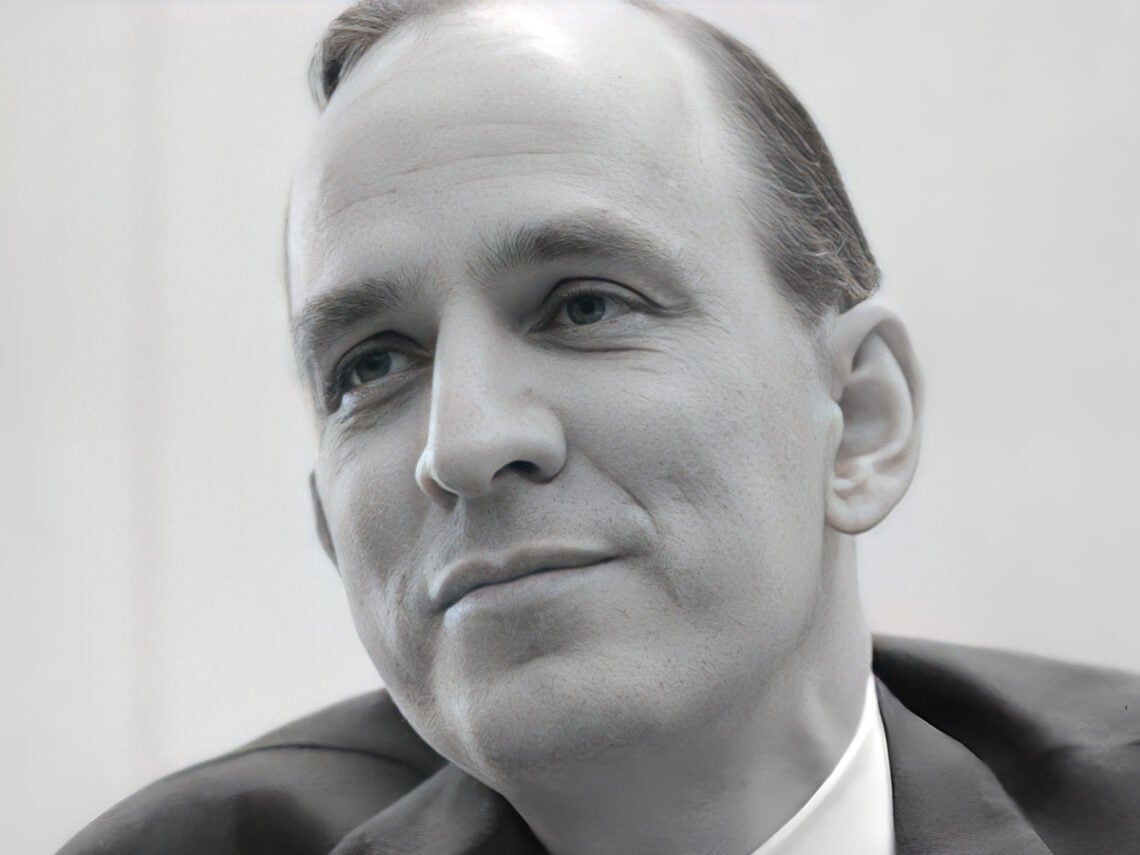
Ingmar Bergman once called ‘Citizen Kane’ a “total bore”

When we consider the entire history of the cinematic medium, almost no filmmaker can claim to be as influential in its evolution as Orson Welles. Through his pioneering masterpieces, such as Citizen Kane and F for Fake, Welles redefined the visual grammar of films and inspired new innovations in cinematic traditions around the world. One director who can actually claim to be equally important to film history is the great Swedish auteur Ingmar Bergman.
While Welles’ approach to cinema raised many interesting questions about the art form itself, Bergman used his films to delve deeper into the seemingly incomprehensible mysteries of psychology and the human condition. It is impossible to escape Welles’ influence on European cinema – especially on the French New Wave, but Bergman also had a similarly profound impact on American filmmaking frameworks – particularly during the American New Wave.
To this day, almost every prominent filmmaker maintains a healthy respect for both those cinematic giants, but they didn’t have the same respect for each other. For many film fans and directors, Citizen Kane represents the pinnacle of cinema, but Bergman was not impressed by it at all. In fact, he once referred to it as an uninteresting spectacle and insisted that Welles was severely overrated by critics and his contemporaries.
When asked about his opinion on Citizen Kane and Welles’ position in film history, Bergman infamously said: “For me, (Orson Welles) is just a hoax. It’s empty. It’s not interesting. It’s dead. Citizen Kane, which I have a copy of, is the critics’ darling, always at the top of every poll taken, but I think it’s a total bore. Above all, the performances are worthless. The amount of respect that movie has is absolutely unbelievable!”
After hearing this take, the interviewer naturally asked Bergman about some of Welles’ other works, like The Magnificent Ambersons. “Also terribly boring,” Bergman replied. “In my eyes, he’s an infinitely overrated filmmaker.” According to the Swedish director, Welles’ directorial skills were vastly overrated by everyone around him. Not just that, Bergman also claimed that Welles wasn’t really an actor since he mostly used his personality to power through everything.
The feeling was definitely mutual since Welles had criticised Bergman’s cinematic vision on multiple occasions. In addition to attacking his brand of artistic spiritualism, Welles also said that European filmmakers such as Bergman and Michelangelo Antonioni were far too focused on ideas rather than the emotions of cinema. In a 1983 letter to Barbara Leaming, Welles declared that he would prefer death over the experience of watching some of their works.
Welles wrote: “You could write all the ideas of all the movies, mine included, on the head of a pin. It’s not a form in which ideas are very fecund. It’s a form that may grip you or take you into a world or involve you emotionally—but ideas are not the subject of films. I have this terrible sense that film is dead, that it’s a piece of film in a machine that will be run off and shown to people. That is why, I think, my films are theatrical, and strongly stated, because I can’t believe that anybody won’t fall asleep unless they are. There’s an awful lot of Bergman and Antonioni that I’d rather be dead than sit through.”
