


Off The Beaten Track: The origins of Anatolian psychedelia

Under the simmering sun and ancient architecture of Turkey lies a vibrant music scene that could easily rival the musical output of any other nation. With a vast and illustrious history dating back hundreds of years, it was only a matter of time before the unique stylings of Turkish folk music made their way into the mainstream, but it was the raucous influence of Western rock ‘n’ roll that finally pushed it over the edge.
For years, the sound of Turkey was one of classical Ottoman music, with roots dating all the way back to the 18th century. However, under the national leadership of Mustafa Kemal Atatürk during the 1920s and 1930s, an emphasis was placed on modernising the traditional sounds of Turkey, aligning more with popular Western musical styles. The resulting wave of Anatolian folk music spread throughout the country and much of the surrounding area.
Popular for its unique influences and distinctly Middle Eastern rhythms, Anatolian folk music inevitably became influential on the more experimental side of rock and psychedelic music during the 1960s, with many Western musicians finding the Anatolian style to blend quite well with mind-bending substances and rock and roll. Therefore, it was simply a case of waiting until Anatolian folk music collided with rock and roll to create something entirely new and unheard of.
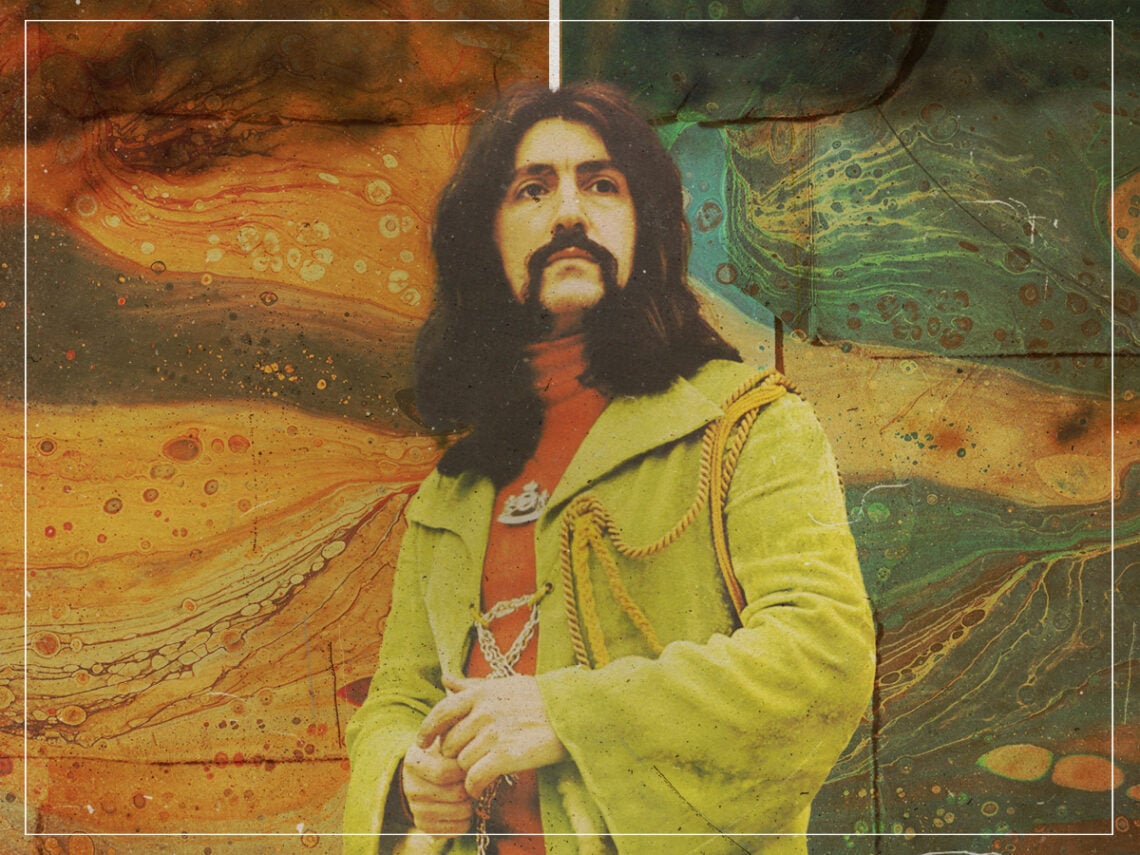
When the rebellious rock ‘n’ roll sounds of America hit Turkey in the form of musical films starring the likes of Elvis and Bill Haley, the country’s musical landscape changed indefinitely. This newfound sound gave rise to prolific artists such as Barış Manço and Erol Büyükburç. As the late 1960s and early 1970s rolled around, the influence of English rock and roll groups like The Rolling Stones, Led Zeppelin, and, of course, The Beatles, found a home in the country’s capital of Istanbul, local musicians began to take note of this radical new sound.
The advent of Western rock coincided with a changing political landscape in Turkey, as the 1960 coup d’état gave rise to the Second Republic of Turkey, placing power back into the multi-party democracy. This landscape allowed for more extreme artistic expression, leading to the creation of Erkin Koray’s ‘Bir Eylül Akşamı’. Hailed as the first Turkish-language rock track, Koray’s efforts ushered in the next generation of Anatolian rock – the psychedelic age.
Whereas the prior eras of Anatolian rock was largely derivative of popular artists hailing from the UK and America, the period of psychedelic Anatolian rock was something truly original and tailor-made for Turkey. Many groups that rose to prominence during this time would take heavy inspiration from the old-school Antolian folk music which had gone before them, imbuing them with a kind of mind-bending psychedelia that could only arise from a country with as rich and varied a history as Turkey.
Tragically, rock music was banned in Turkey following the coup of 1980, as rock musicians were seen as generally left-wing and, therefore, dangerous. The coup essentially ended the era of Anatolian rock, with most artists fleeing the country or risking imprisonment. However, the music continued to be hugely influential on psychedelic rock movements outside of Turkey. At the end of the day, not even a military junta could repress the incredible sounds of Turkey’s psychedelic rock.
