


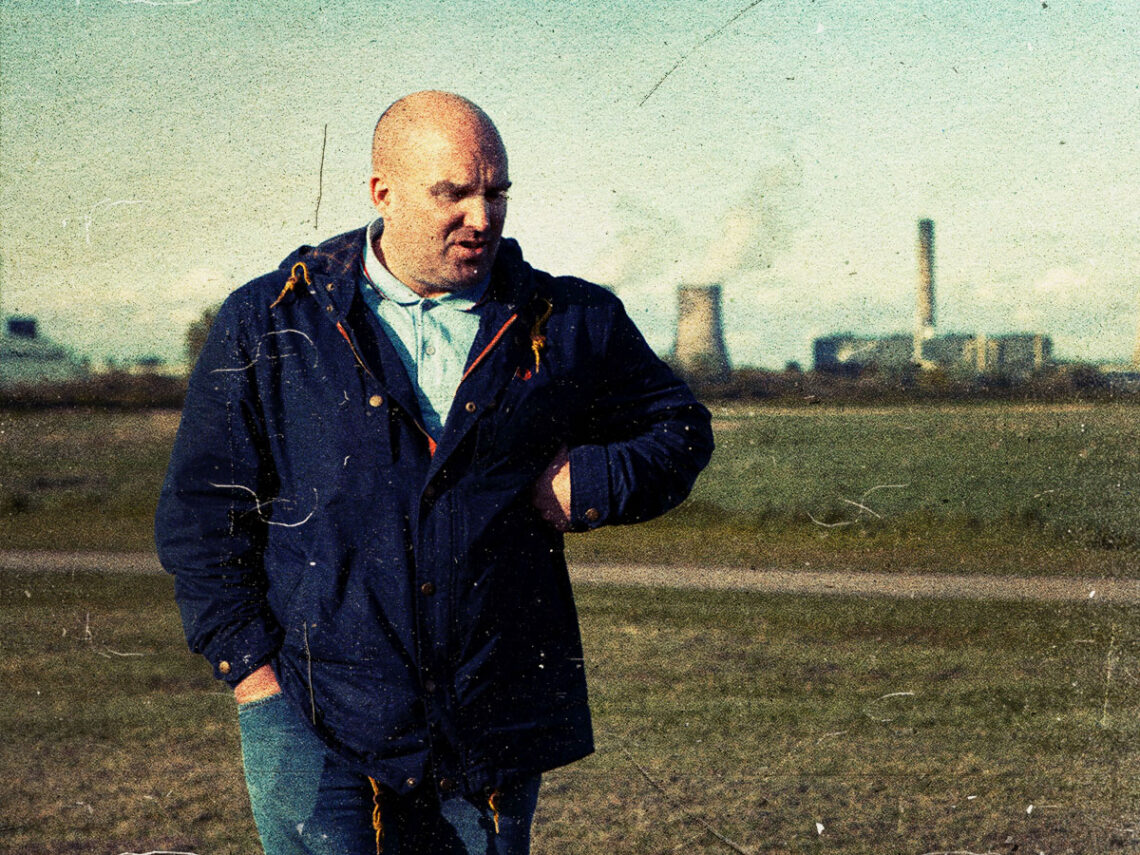
The only way Shane Meadows could live with “commercial failure”

Sometimes it feels like the films of Shane Meadows don’t get enough credit. His 2006 effort This is England receives its fair share of love, but it’s often at the expense of some of the Uttoxeter-born filmmaker’s early movies, such as A Room for Romeo Brass and Once Upon a Time in the Midlands.
That latter film, which arrived in 2002, subverts the tropes of the western film genres and brings the action to a small town in Nottinghamshire, telling a tale of love, justice and betrayal. It boasts an excellent British cast, including Rhys Ifans, Robert Carlyle, Kathy Burke, Ricky Tomlinson and Shirley Henderson.
When promoting Once Upon a Time in the Midlands on BBC Radio 4, Meadows was asked whether its impressive cast would add any extra pressure to making it a commercial success. However, Meadows was adamant that the actors were only selected on merit and talent rather than providing any commercial benefit.
He went on to explain that he can deal “with commercial failure” so long as the film is true to himself. “I can live with a commercial failure of a film if it’s something that I’ve made if it’s come from my chest, you know,” he said. Evidently, Meadows’ desire to make good films rather than financially prosperous ones is what really drives him.
Meadows continued: “The best example is, I had five grand to make Small Time, and someone came in with two hundred grand saying, ‘I’ve got a script, I’ll give you ten grand to make it.’ Everyone’s dream is to make a feature, and suddenly someone came and put it in my lap.” The temptation might have been great for the young director, but he stuck to his guns.
Meadows had his debut Small Time in the works that his “heart was in”, and that’s what he chose to do rather than take the money. “I’ve always done that,” he said, “At least if I choose the projects I want to make and they don’t work, I can look back at my body of work and never succeed at anything; at least I wanted to make those films.”
These words are a testament to a director who believes in his own vision and understands that when his time on earth comes to an end, all that will remain are the works. Sure, everybody could do with more cash, most notably Meadows’ characters, but there are sometimes more important things like creative and artistic fulfilment, and this looks to be something that the heroic English director has achieved throughout his career.
