


The one Rolling Stones song Charlie Watts struggled to perform: “I can’t play that”

If the thought of a geriatric Mick Jagger gyrating across the stage as The Rolling Stones complete over 60 years as one of the best live performers on planet earth makes you feel incredibly sick, then I’m sorry, you just don’t get it. Once you see the band perform live, their whole schtick hits you like a ton of bricks.
Every single member of the band brings something brilliant to their live shows. Keith Richards is the greatest of swashbuckling pirate guitarists, with Ronnie Wood acting as his first mate. Jagger’s command of the stage is wildly impressive, not just for a man of his age, but in general, and when the late Charlie Watts was alive, his metronomic command of the kit was awe-inspiring.
The Rolling Stones have never been known for some of the most complicated drum patterns ever. Although Charlie Watts was not going to get the same kind of accolades that Keith Moon and John Bonham got around the same time, his way of locking in with Keith Richards’s right hand every time the band played gave the group a signature swing that is never going to be reproduced again. There were times when Watts did have a few problems, and he was thrown for a loop when they came to him with the beginnings of ‘Ventilator Blues’.
Before he even got a taste for rock and roll, though, Watts seemed interested in the technical side of drumming. Sure, he could lay down a decent groove when he wanted to, but he was more interested in the jazz drumming happening around the same time than this new revolutionary music that would one day take over the world.
Then again, Watts was down for anything, and it’s easy to pick him out of a lineup, even if he isn’t the flashiest. Relying usually on the backbeat, Watts had a unique way of never playing his snare drum along with the hi-hat, which gave the rest of the band room to breathe, especially Richards, who often filled in the gaps on guitar.
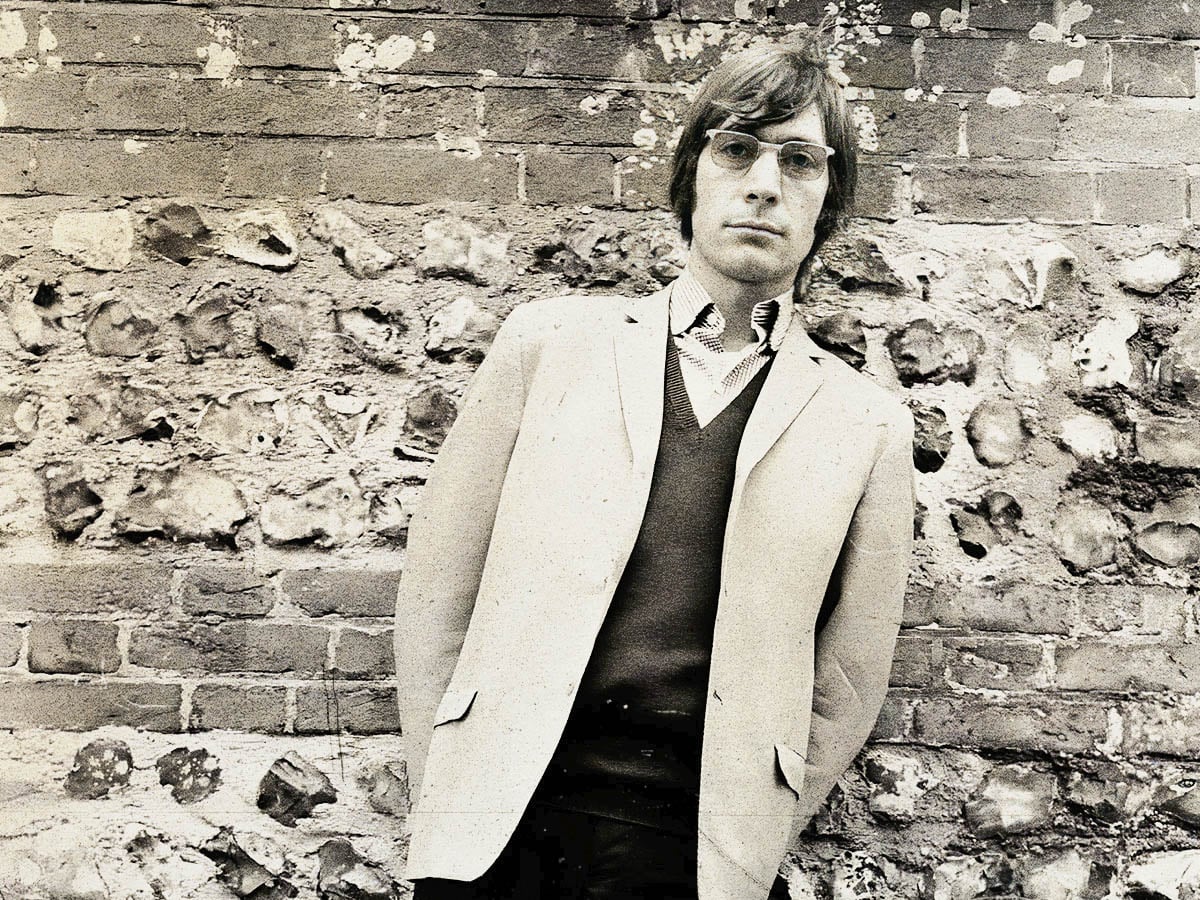
Once the group entered their classic period, Exile on Main St was a strange detour when Watts struggled to get songs recorded correctly. He may not have understood ‘Tumbling Dice’ to the point where producer Jimmy Miller stepped in instead, but the offbeat on ‘Ventilator Blues’ isn’t exactly the easiest thing in the world, either.
Since 95% of The Stones’ discography is based on blues tradition, this should be a walk in the park until you get to the main beat. Mick Jagger had always played the guitar slightly on the offbeat anyway, so hearing that combined with the influence of reggae that may have been coming over around that time, led to a rhythm that did Watts’s head in.
Even when performing the song years later, Watts admitted that he still got tripped up, remarking in 2003, “It’s a great track, but we never play it as well as the original. Something will not be quite right; either Keith will play it a bit differently, or I’ll do it wrong. It’s a fabulous number but a bit of a tricky one. Bobby Keys wrote the rhythm part, which is the clever part of the song. Bobby said, ‘Why don’t you do this?’, and I said, ‘I can’t play that’, so Bobby stood next to [me] clapping the thing, and I just followed his timing.”
If you look at the band dynamic, it’s not really a shock why Watts had a bit of trouble. Richards has always been focused on the vibe of the piece rather than everything being completely on the beat, so it’s not shocking that every time he plays the song, it sounds just a little bit different than before.
That never stopped Watts from backing down to a musical challenge. No one gets to be in one of the longest-running bands in rock history and not change it up a little bit, and until the day he died, Watts always found it interesting trying to twist his sound in a different direction, either through switching to bongos for a song or relying heavily on the backbeat on ‘Paint It Black’. Other drummers rely on being versatile, but throughout Watts’s time in The Stones, he practically had to be diverse on principle.
