


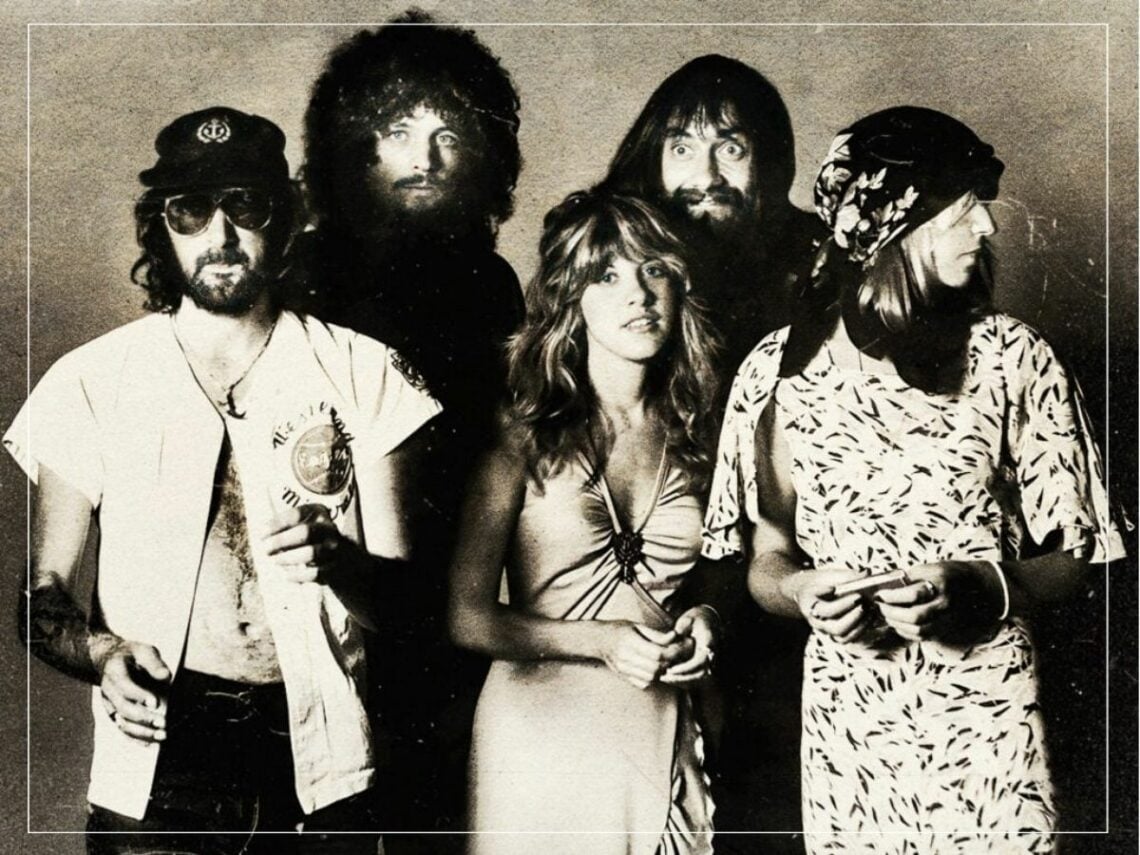
The only producer who could ever handle Fleetwood Mac: “The best mom”

In 1982, Fleetwood Mac, as we know it, was on a steady decline.
Seven years after recruiting the two most important members in the band’s history, Stevie Nicks and Lindsey Buckingham, the atmosphere in the group began to turn stale. Of course, the atmosphere in the group was never friendly, but on their seminal album Rumours and to some degree, on Tusk, the band actually benefitted from their heightened sense of toxicity.
Come the 1980s, however, they were out of sorts. Stevie Nicks was starting to understand her star potential as a solo artist, and Lindsey Buckingham’s usual crusade of creative ideas was starting to become confused with the rest of the band’s vision.
It was frustrating because they proved in glimpses that when the creative stars aligned, they could still deliver killer tracks, especially when they put their faith in Nicks. On the sprawling Tusk, her painful heartbreak ballad ‘Sara’ is the standout, while on their 1982 record Mirage, the song that became somewhat of her personal anthem, ‘Gypsy’, once again delivered sonic brilliance when the rest couldn’t.
Sure, Nicks had never struggled to have her voice heard in Fleetwood Mac. She, of course, delivered some of the band’s greatest hits of all time. But within that, I would argue her pain wasn’t. It was overlooked and dismissed, as the band fearlessly pursued musical greatness at whatever cost. ‘Gypsy’ was Nicks’ chance to cut through that toxicity and be truly heard as an independent artist.
So when it became a single, it was important to her that in this new age of music video, that sentiment was translated over. As soon as Nicks met the video’s director, Russell Mulcahy, it was clear that she was in safe hands and her truth would be displayed faithfully through the production.
“Russell said to me ‘this is my film and everybody will do what I say’ and the thing is that he came to my house for 2 hours and he looked at my closet. He looked at my things and my crystal balls and all my stuff that I have,” Nicks explained.
Adding, “He never raised his voice to anybody in Fleetwood Mac, he was totally, completely calm and nobody in Fleetwood Mac ever raised their voice to him.”
It was a seminal creative moment for Nicks, finally meeting someone who dealt with creative tensions in a calm and open-minded way. While his discipline was solely video, it immediately provoked thoughts of all the opportunities that could have been had if Fleetwood Mac had collaborated with a music producer of the same temperament.
“I wish we could find a producer like Russell, a producer of music like Russell for Fleetwood Mac,” Nicks claimed. “Because the way he handled those five people was so, it was like the best Mom in the world, that just handled all ten of those kids perfect. And that’s what he did, and I was amazed.”
Nicks’ meeting with Mulcahy came at the start of a decade that would be her last in the band. Nicks needed to spread her wings and find creative freedom, which arguably may not have happened as successfully without the introduction of Mulcahy.
