


The only four cinemas in the world that show movies in VistaVision

New methods of filming and projecting movies have continually been developed over the years, but in the 1950s, Hollywood seemed to be on a roll, conjuring up new techniques to bring stories to the big screen.
As television became a popular new way to watch media, Hollywood knew it had to do something to stay ahead of the competition. Various gimmicks became fashionable, and 3D cinema experienced a boom in popularity, while innovative ways of experiencing a film were invented for the first time, some sticking and some quickly fading into obscurity.
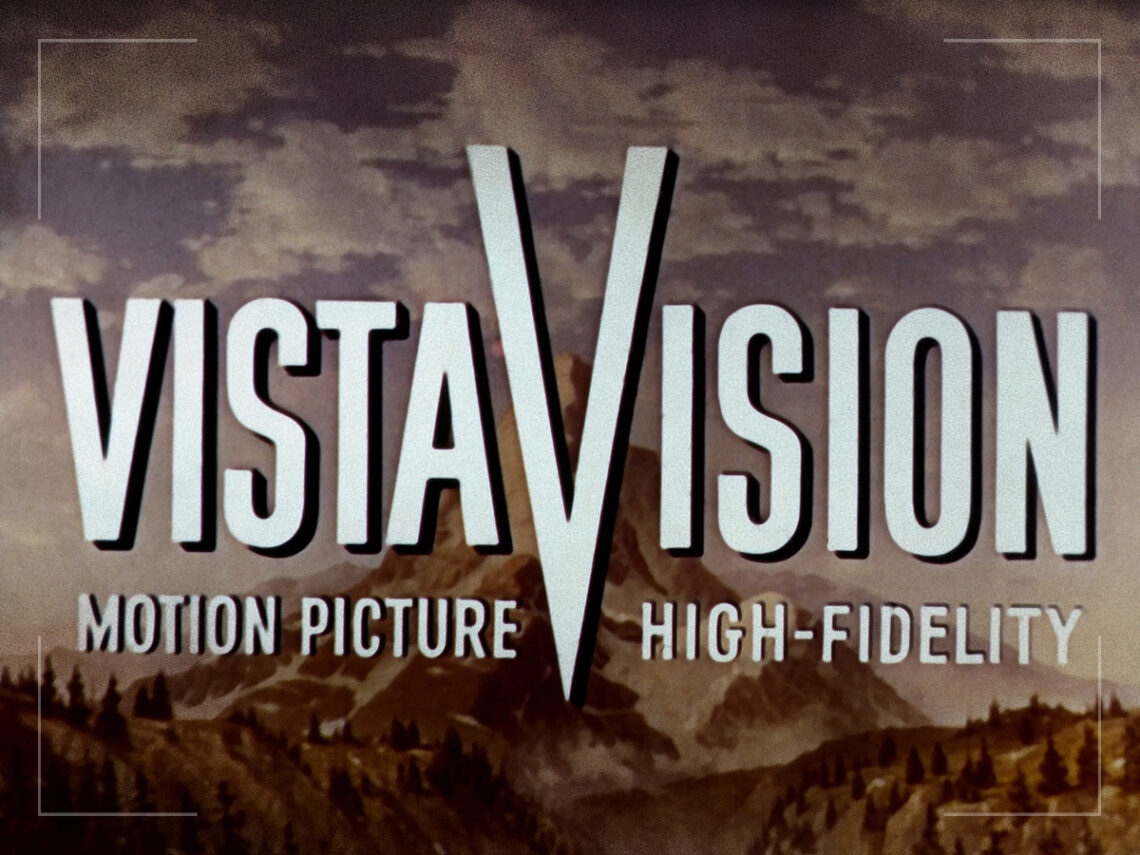
Cinerama was developed in the early 1950s, which saw three simultaneous projections cast in front of the audience to make a super immersive and widescreen experience. Of course, that wasn’t sustainable, and it was soon overtaken by the invention of CinemaScope, which only required one projector. Then Paramount conjured up VistaVision in 1954, aiming to create an even higher-quality image that suited widescreen by utilising horizontal 35mm film, and rather imminently it was used for many visual spectacles, like Alfred Hitchcock’s Vertigo.
But, like many new cinematic experiments from the ‘50s, it quickly died out, and One-Eyed Jacks became the last movie to be shot entirely in VistaVision during its original run in Hollywood, again re-emerging several decades later, with movies like Star Wars, Aliens, Forrest Gump, and Jurassic Park using VistaVision for certain sequences or effects. Because it was so expensive and rather challenging to use, it was pretty much reserved for big Hollywood fare, but even then, it just wasn’t going to work long-term.
Yet, the medium is facing a revival these days, thanks to filmmakers like Paul Thomas Anderson primarily using it for One Battle After Another, while The Brutalist and Bugonia have also used VistaVision. Due to the complex and expensive nature of the technology, however, there are only four locations in the world where you can properly watch VistaVision in action, limiting the choices to experience it authentically.
If you’re in London, it’s Odeon Luxe Leicester Square that can provide you with the experience, which makes sense considering it’s one of the city’s most popular locations for major movie premieres and screenings, but that’s all that Britain has to offer, with the remaining three theatres that accommodate VistaVision located in the United States.
Rather unsurprisingly, you can watch authentic projections of the medium in Los Angeles’ Vista Theatre, and in New York, specifically the Regal Union Square 17 cinema. A little more random, however, is the Coolidge Corner Theatre in Brookline, Massachusetts, a town that forms part of Boston’s metropolitan area.
Talking to Far Out, legendary cinematographer Roger Deakins recently commented on this new trend of championing formats like this, saying, “It’s very interesting that this year and coming to next year, how many films are shooting back on film, on emulsion, and they’re shooting IMAX or VistaVision or whatever, it’s very interesting where the film industry is going.”
With Anderson bringing back VistaVision projection with One Battle After Another, will we see more filmmakers tap into this revival? It seems likely, although it’s not cheap. What’s more, only these four theatres have the capabilities to project VistaVision authentically, so will this mean that more movie theatres will start to install the technology? Only time will tell.
