


“It’s very powerful”: Jack White on why love is dangerous for songwriters

So let me take you back to the late 1990s, when I was a young whippersnapper, bouncing on my bed to the sound of music coming through the wall of my brother’s bedroom. James’ song ‘Laid’ was playing at full volume, and at just eight years old, full of glee, I unknowingly burst into the chorus line of “She only comes when she’s on top”. Songwriting is a funny concept, isn’t it?
Back then, I was blissfully unaware of the words I was singing and simply enjoyed the melody. A root cause of the songwriting process that should at times be harnessed in pursuit of creativity. It’s somewhat ironic then, that I would grow up to become a lyric obsessive, analysing the flick of every artistic pen I could find in a journey to better understand what they were telling me.
Sooner or later, I figured out that most of the time they were talking about love. Be it familial, romantic, platonic or tenuously metaphorical, love would always be the anchor point around which a song was rooted. Because after all, isn’t that what makes the world go round?
But as music has developed, we’ve learnt that some approaches to the big word are relatively flimsy. Some read like the inside of a £2 card from your local post office, as they bounce around between flower metaphors and confessions of their own mortality. It’s those songs that give the genre a relatively bad wrap. If you’re standing on stage, clutching your acoustic and you tell the crowd, “this next one is a love song”, chances are you’ll receive an eye roll and maybe even a dry heave. But what if you’re about to play the next ‘Something’ or ‘Here There and Everywhere’?
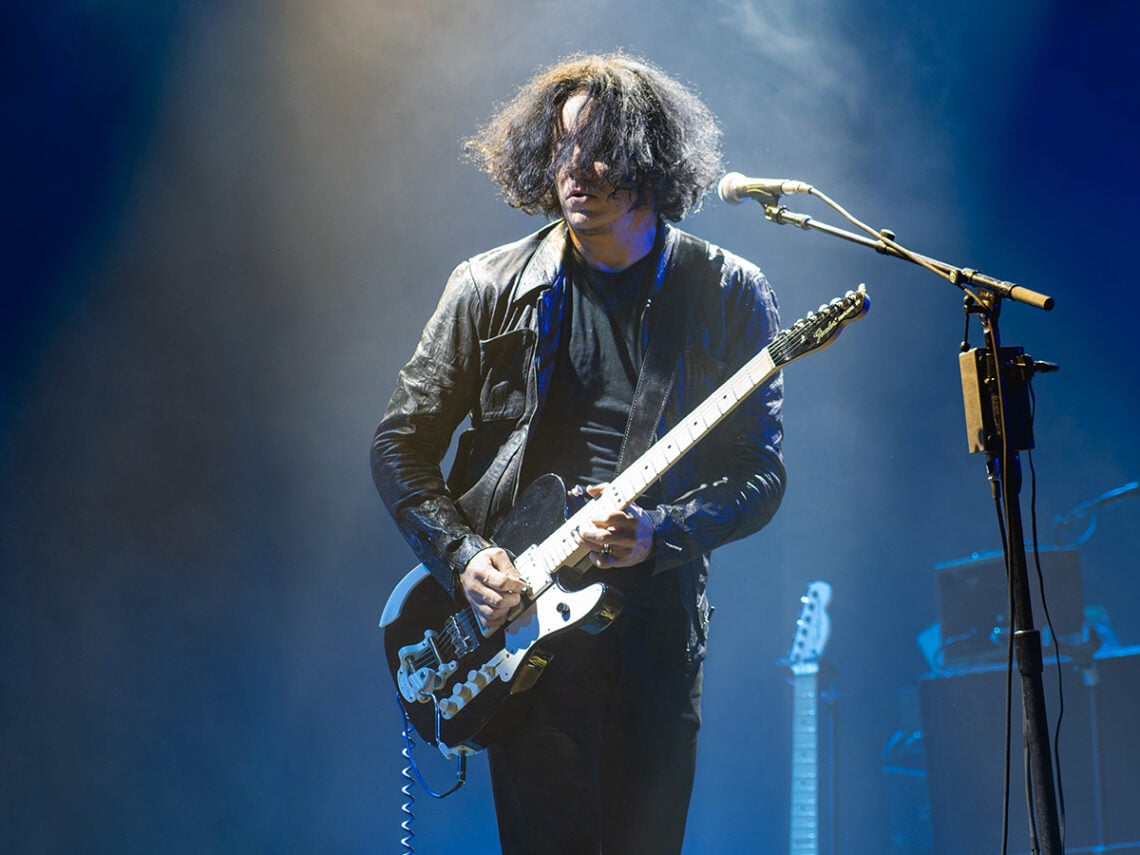
It’s a risk Jack White is fully aware of. While we’re more accustomed to him writing earworm riffs, he’s mastered the art of songwriting enough to at least have been tempted by a descent into romance. But only with caution.
“Well, as a songwriter, it’s really dangerous to use the word love in a song,” he explained. “It’s a word that has been used in songs so many millions of times before, and it’s the most popular topic to ever write about. So I thought that if I was going to be brave enough to actually use the word love in a song, I better be trying to make people think about it—and make myself think about it. I really wanted to stir up the notion of what love could mean, and what we really want when we say that word. It’s a very powerful word.”
White’s comment was in reference to his 2012 track ‘Love Interruption’, which was an appropriately tender take from the legendary rocker. On top of a twinkling guitar melody and subtle piano line was a pared-back vocal that mused on the great topic with a twisted sense of humour.
Opening every verse with “I want love to”, White spoke of all the painful ways love could develop, from biting him to murdering his mother, warning the audience of the very surreallist yes, but honest take on what an experience of the universal emotion can be like. So come to think of it, I know wonder if my mother would have been happier for my eight-year-old self to carry on singing James’ hit, if this was what love songs were really like?
