


The one unpopular remake Quentin Tarantino calls a “masterpiece”

While genre enthusiasts certainly hold a penchant for certain styles of movies, cinema might be the only art form where a huge chunk of the entire industry lands in the mainstream. It means that some of its most educator orators are also deeply entrenched in the industry. Quentin Tarantino is one such speaker. And, he is such a passionate defender of cinema that it’s difficult to find a filmmaker or movie that he is truly critical of.
Indeed, for the director of Pulp Fiction, Reservoir Dogs, Django Unchained, and more, there’s almost always quality to be found in each and every film, no matter their perceived status. He is there for the spectacle of trashy action, the campery of 1960s horror, the schmaltz of rom-coms and the incandescent rage of audiences trying to figure out a David Lynch movie.
Holding a particular amount of appreciation for the likes of Sergio Leone, Martin Scorsese and Akira Kurosawa, whose innovative genre movies helped to sculpt the future of cinema, if there’s one type of filmmaking that Tarantino isn’t particularly fond of its rigid formalism. It’s for this reason that Tarantino claims to not be entranced by the films of Stanley Kubrick, despite making such inspiring films as 2001: A Space Odyssey, Paths of Glory and Dr. Strangelove.
In a conversation with The New Yorker in 2003, Tarantino explained that he found Kubrick’s films challenging to get through, aiming much of his annoyance at the 1971 movie A Clockwork Orange as well as his controversial adaptation of Vladimir Nabokov’s Lolita.
Calling Kubrick’s 1962 film, Lolita “fraudulent” for abandoning the themes of Nabokov’s novel, which follows an English professor who falls in love with a minor, Tarantino further states, “the idea that you can do a movie about Lolita and not have one single, solitary disturbing image in it at all is crazy.” This is an interesting take from Tarantino, whose movies have rarely relied on realism.
But while cinematic license creeps into every work of Tarantino’s, he does kill off Hitler in Inglourious Basterds after all, it is authenticity that feels most valued. Authenticity to the script and to the characters. For Tarantino, Kubrick’s movie was a liar: “It’s fraudulent! I mean, to me he’s missing the most fascinating part of the work, which is looking through a paedophile’s eyes and actually going along with it”.
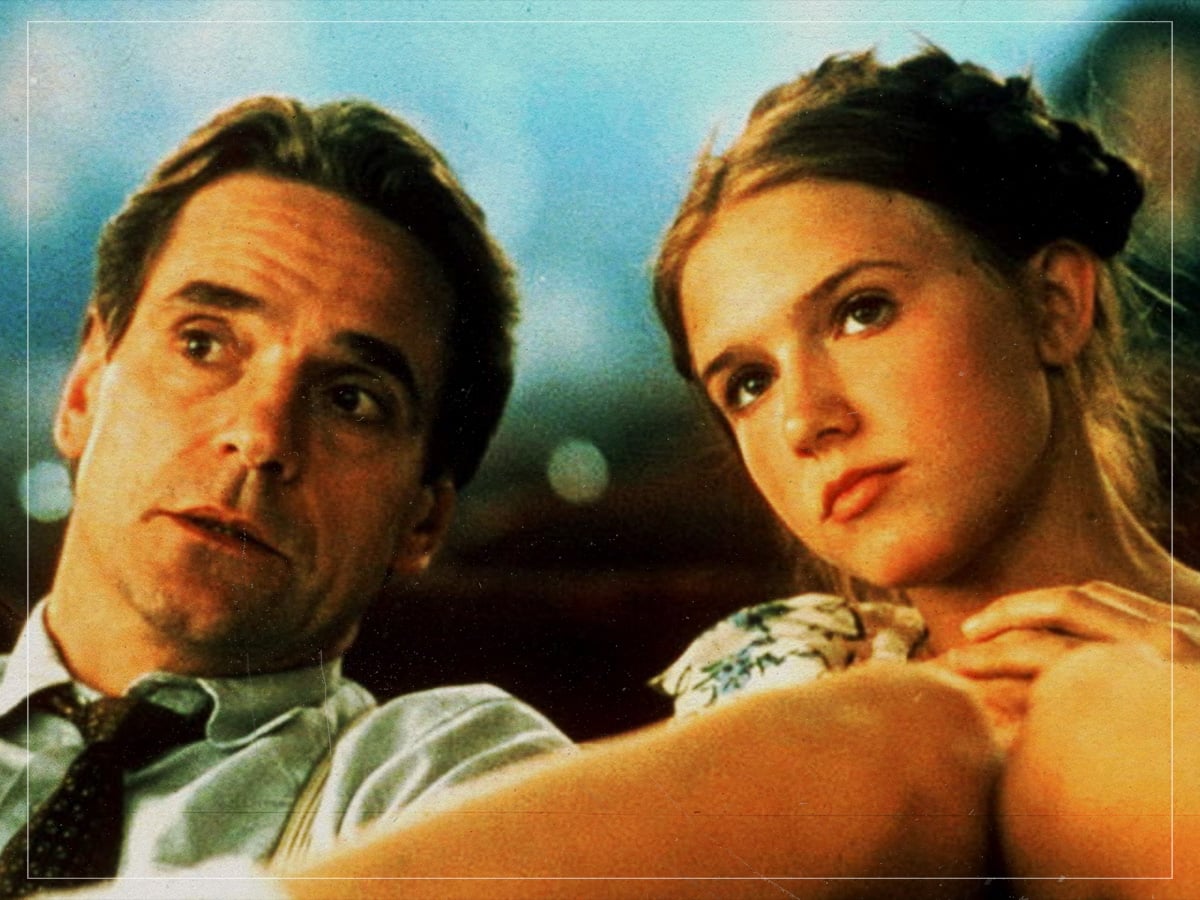
Though he eventually comes round to state that Kubrick’s film is “actually pretty terrific,” he dislikes the movie enough to entirely prefer Adrian Lyne’s 1997 remake of Lolita, going so far as to call the movie “a masterpiece”.
Starring the likes of Dominique Swain, Jeremy Irons and Frank Langella, Adrian Lyne’s remake of Kubrick’s celebrated classic was poorly received at the time of its release, criticised for being too cold and empty, despite the excellent performances of the lead cast. Still, Tarantino saw the film as containing more heart and emotion than Kubrick’s stiff original.
As for his criticisms of A Clockwork Orange, Tarantino was a little more venomous, stating, “I always thought Kubrick was a hypocrite,” referencing the strong themes of the 1971 film, adding, “Because his party line was, I’m not making a movie about violence, I’m making a movie against violence”.
Causing quite the visceral reaction for Tarantino, the filmmaker bursts, “And it’s just, like, Get the fuck off. I know and you know your dick was hard the entire time you were shooting those first 20 minutes, you couldn’t keep it in your pants the entire time you were editing it and scoring it”.
Frustrated by the filmmaker, Tarantino calls Kubrick a “hypocrite” for celebrating violence in “those first twenty minutes,” with the director further adding, “And if you don’t say you did you’re a fucking liar”.
Still, Tarantino wasn’t totally blind to the successes of the master filmmaker, holding a particular love for Eyes Wide Shut and 2001: A Space Odyssey, though, when it comes to A Clockwork Orange and Lolita it seems as though little will change his mind.

Never Miss A Take
The Far Out Quentin Tarantino Newsletter
All the latest Quentin Tarantino content from the independent voice of culture.
Straight to your inbox.