


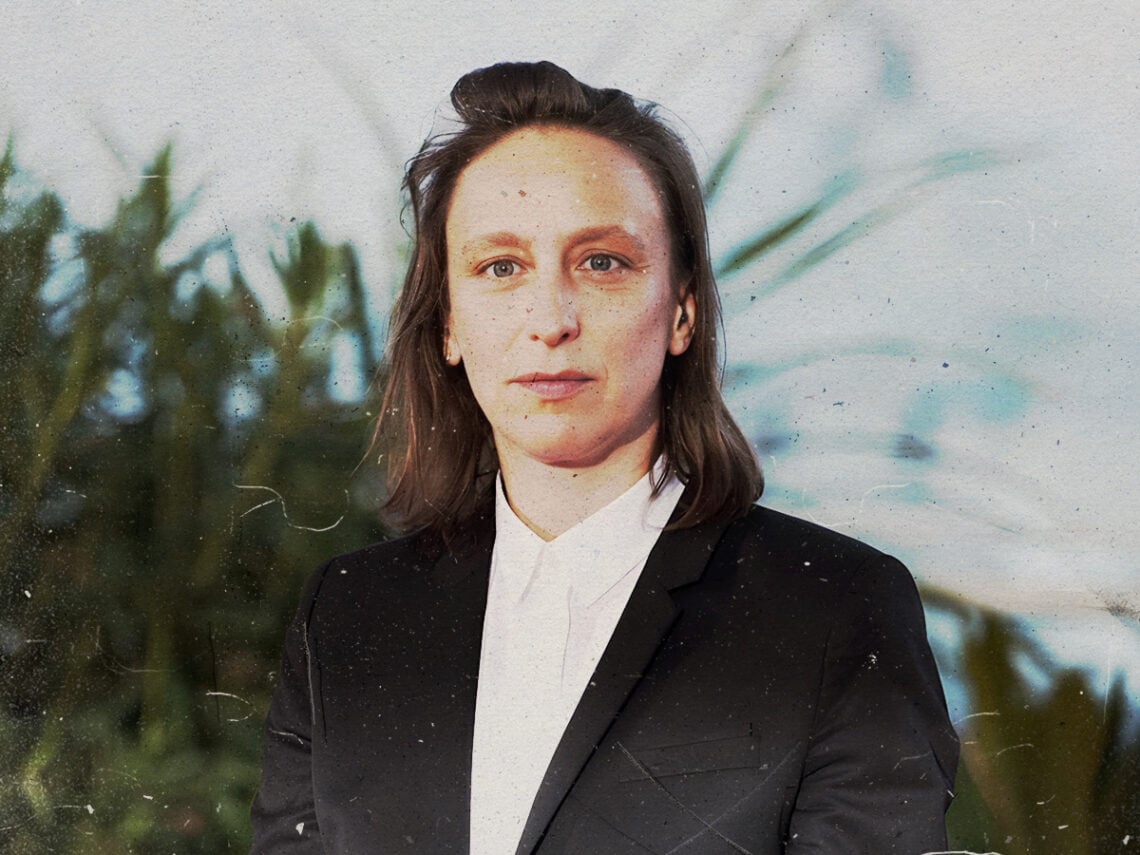
The one thing Céline Sciamma hates about movies

It is a widely acknowledged fact that France was the birthplace of cinema, and over the years, the country has routinely produced new cinematic movements that have helped shape the course of the medium. From poetic realism to French New Wave and Cinéma du Look, French directors have consistently made potent efforts to innovate filmmaking.
One of France’s most revolutionary directors working today is Céline Sciamma, who predominantly focuses on telling the stories of modern women living on the margins of society. Sciamma has expertly explored sexuality, gender identity, race, class and family through her work, earning significant acclaim for her 2019 film Portrait of a Lady on Fire.
Sciamma has taken inspiration from directors like Chantal Akerman, the late radical Belgian filmmaker known for her explorations of female sexuality, identity, and family, often using a slow cinematic style. In one of Akerman’s most popular films, Jeanne Dielman, 23 quai du Commerce, 1080 Bruxelles, the filmmaker prioritises silent, long takes that force the audience to confront the titular character’s actions, such as cleaning and peeling potatoes, rather than listening to extended cuts of dialogue.
During an interview with Bomb Magazine, Sciamma revealed, “One of my goals as a filmmaker, something I’m always thinking, is, How do I make a show out of a face?” For the filmmaker, a great movie doesn’t require swathes of heavy dialogue, and she often searches to execute meaning from silent images of her characters, focusing on their facial expressions.
That’s not to say she doesn’t value dialogue, “I’m not saying you shouldn’t speak onscreen; some of my favourite films are actually very talkative,” she explained. Rather, Sciamma believes that when speech is used, it should be expertly crafted. “It’s about the question, ‘Why are we talking?’ It should never be just to give information when there’s no wit, no humour, no personality to it. It’s really depressing, I think.”
The filmmaker gave examples of dialogue-laden movies she loves, such as La Maman et la Putain by Jean Eustache, an almost four-hour film that largely features conversations between the characters. She elucidated, “The entire joy [of Eustache’s film] is in the speaking – it’s about telling me the plot, the talk is actually the heart of the film.”
She also emphasised movies like David Fincher’s The Social Network, “I love it because people are talking and talking, and it’s about the information they give.” Thus, she continued, “Basically, I hate it when the talking the characters do is between themselves, but you know, they’re actually winking at me and saying, ‘Okay. We’re gonna save the world now.’”
For Sciamma, films shouldn’t have to talk us through the action step-by-step. She concluded, “If there’s thinking in a movie, then you’re good, actually.”
