


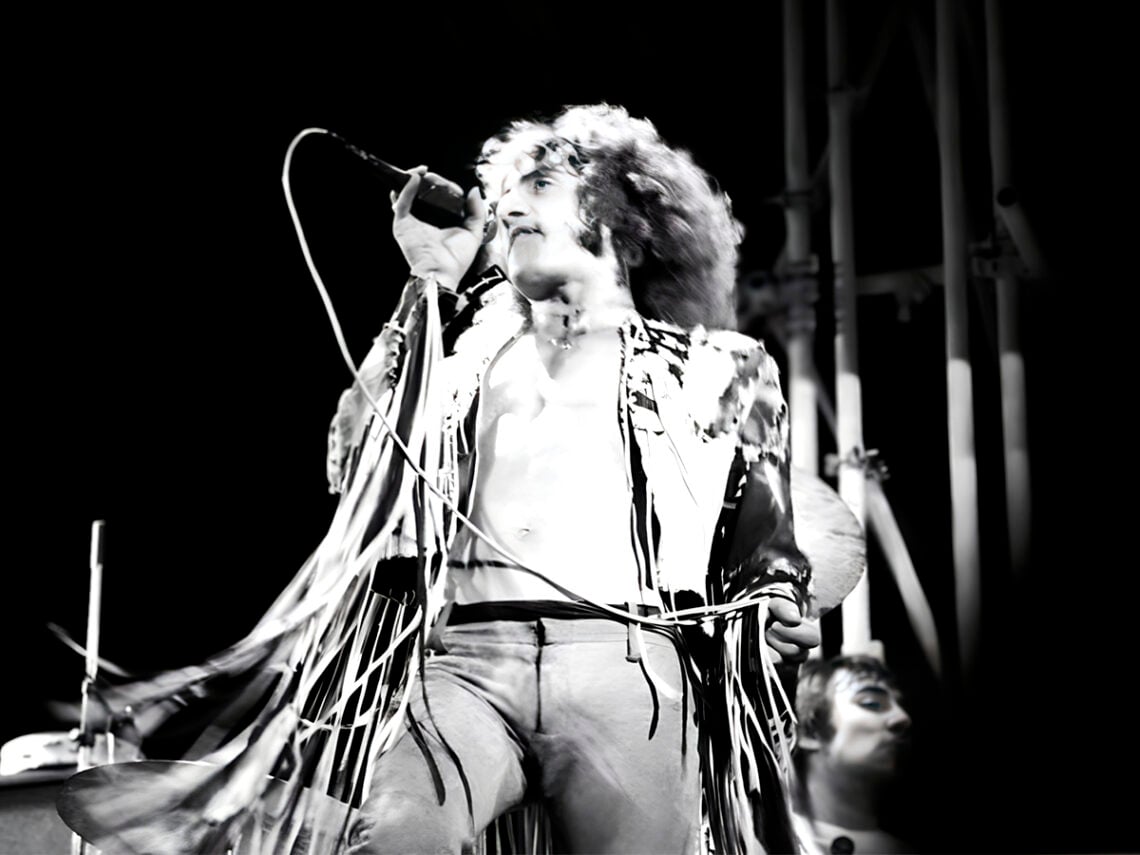
The show that emotionally broke Roger Daltrey: “Cry his eyes out”

No rock band should ever be afraid to show their sensitive side. As much as people like the idea of everyone onstage being a stoic badass that eats nails for breakfast, they’re all still flesh and blood, and it can be a little bit much for anyone to deal with the stresses of being on the road for years at a time and not being able to see their families.
However, in the case of The Who, some shows tend to hit a bit closer to home than others, and it was never going to be easy once Roger Daltrey got offstage.
Then again, The Who always thrived on the concert stage half the time. Pete Townshend was a craftsman when it came to making their albums, but when they started in the London R&B scene, they were among the loudest things England had ever produced, especially when having someone as wild as Keith Moon behind the drum kit. But volume only went so far if they had the right music behind it.
But Townshend wasn’t interested in writing generic love songs or uptempo stompers for the rest of his life. He always saw music as a two-way conversation between the band and the audience, and many of his conceptual pieces, like Lifehouse and Quadrophenia, were all about breaking down the barriers created between them and the crowd whenever they get up on that platform.
That didn’t stop people from worshipping them like gods, though. For most people who cherished their copy of Live At Leeds, Townshend was a deity walking the Earth that somehow found out the meaning of life, but that kind of rapturous attention can be just as destructive as it is beneficial. And when many of The Who’s fans were trampled to death ahead of one of the band’s stops in Cincinnati, Townshend remembered Daltrey being in shambles in the dressing room.
He may be the absolute peak of what a frontman could be, but Townshend remembered Daltrey being emotionally frayed as he contemplated what happened, saying, “I watched Roger Daltrey cry his eyes out after that show. I didn’t, but he did. But now, whenever a fucking journalist—sorry —asks you about Cincinnati, they expect you to come up with a fucking theatrical tear in your eye!”
While Townshend’s response can come off as callous and cold, it all comes down to the way that people learn to process grief. After all, Paul McCartney didn’t seem to shed many tears in public upon first hearing about the death of John Lennon, but there’s not a soul on this Earth who didn’t realise that the former Beatle was torn apart knowing that he had lost one of his best friends.
While Townshend may have had a more calculated response, his way of processing grief also helped him encourage artists later down the line. Eddie Vedder is still among the biggest Who fans out there, so when he saw Pearl Jam fans getting crushed at their Roskilde performance in 2000, there’s a good chance that he relied on Townshend to give him the strength to carry on playing.
As heartbreaking as it is to know that people died during a concert, it should never be an excuse to never touch the stage again. It takes a strong person to relive that kind of tragedy in their mind whenever something goes awry in a concert, but any performance should help bring people together, and that feeling is as important in paying tribute to those who couldn’t make it to a show.
