


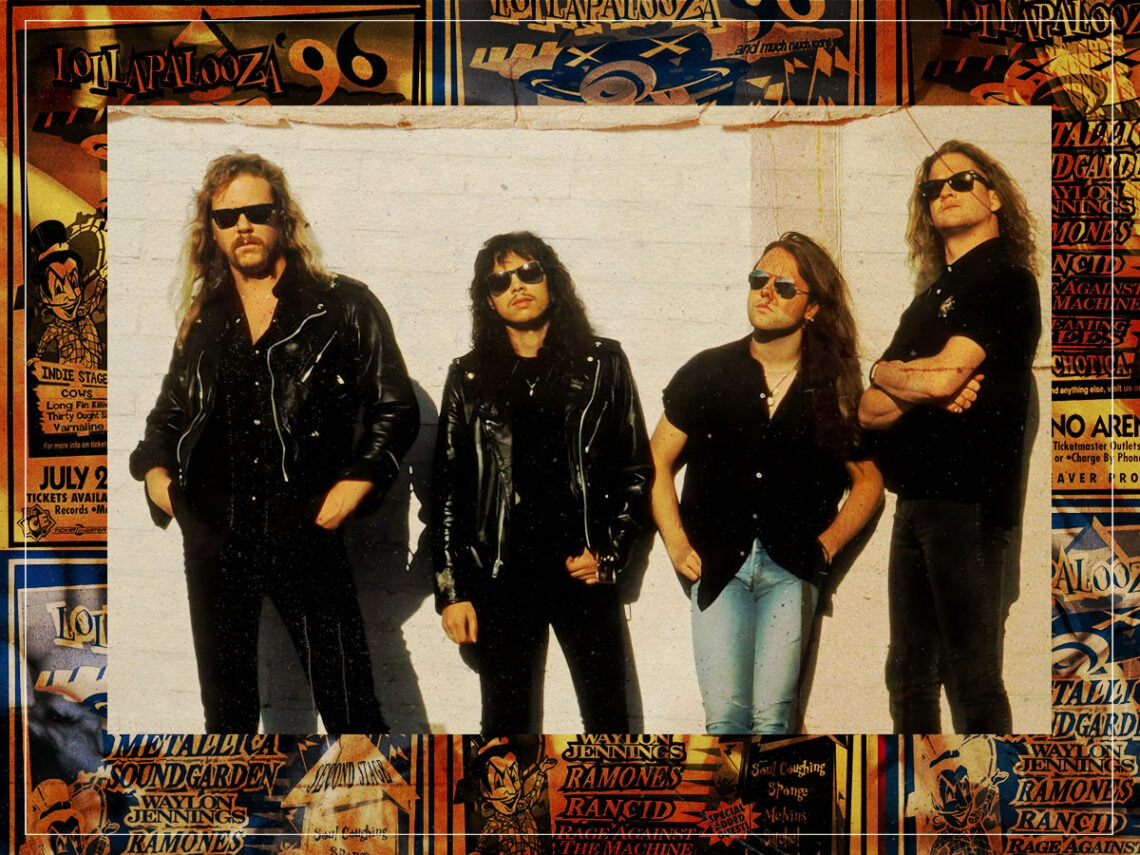
Hear Me Out: ‘One’ is still the most defining song Metallica has ever released

Metal is no stranger to the gruesome realities of life.
Perhaps it is better to thrash it all out than to wallow. Metallica has garnered one of the most devoted fan bases because of this, as primary songwriters James Hetfield and Lars Ulrich craft tales of depression, pain, abandonment, and rage that resonate among the masses. Formed in Los Angeles in 1981, Metallica became known for such lyricism, coupled with their fast-paced playing, which regards them as one of the “big four” of thrash, alongside Anthrax, Megadeth, and Slayer.
To pinpoint a single Metallica song as their best is a difficult feat. Consider the literal physical effects of ‘Whiplash’, the legendary “Die!” chant on ‘Creeping Death’, the Hemingway-inspired ‘For Whom the Bell Tolls’, or the most well-known, ‘Master of Puppets’, the back catalogue is an embarrassment of riches. However, there is a song that defines the core of their appeal, heard in the vibrance of their lyricism and the seethe of their aggression: ‘One’.
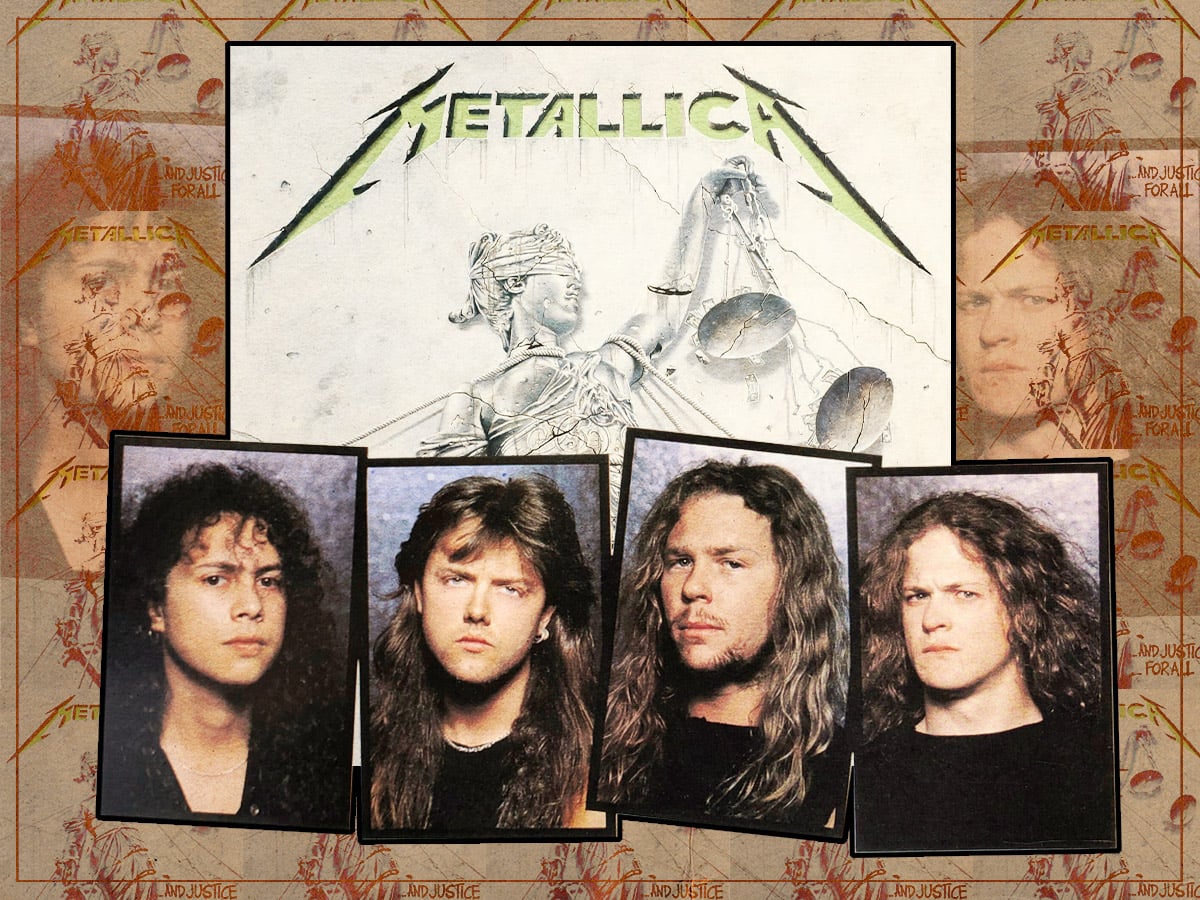
On September 27, 1986, while driving through Sweden on Metallica’s Damage, Inc tour, the driver lost control of the tour bus and skidded, overturning the vehicle several times. While Hetfield, Ulrich, and guitarist Kirk Hammett remained relatively unscathed, bassist Cliff Burton was pinned under the bus and succumbed at just 24. Burton’s untimely death left the band in a limbo before the trio hired Jason Newsted to fill Burton’s significant shoes. They soon entered the studio to record what would become their fourth album, 1988’s …And Justice For All.
‘One’ was released as its third and final single in January 1989. Credited to Hetfield and Ulrich, it tackles a story of war and resulting brutality, a return for the duo to the subject, which has appeared as the nucleus for songs like ‘Disposable Heroes’ and ‘Fight Fire with Fire’. ‘One’, however, found its source in the book Johnny Got His Gun by Dalton Trumbo and tells of a soldier in WWI who, after stepping on a landmine, loses all of his limbs and jaw, left unable to speak, hear, or see.
In a 2013 interview, Hetfield spoke of finding likeness in his story: “I related to that because I felt that, not that I couldn’t speak, or hear, or use my limbs, but for some reason, I connected with that: being stuck in your own skin, and how uncomfortable that can feel. That would be the ultimate hell, where you can’t communicate to anybody.”
Opening with the sounds of machine guns, commanding screams, and helicopters flying above, ‘One’ describes the aftermath of the soldier’s nightmare, as Hetfield sings, “Now that the war is through with me / I’m waking up, I cannot see / That there’s not much left of me / Nothing is real but pain now.” The softness of Hammett’s opening chords and Ulrich’s steady drums suddenly switches to distortion with the chorus, “Now the world is gone, I’m just one / Oh, God, help me / Hold my breath as I wish for death / Oh, please God, wake me”, becoming a steady plea for escape.
Midway through, the song continually speeds up in anticipation, as a dual solo from Hetfield and Hammett synchronises with Ulrich’s drums to mimic the sound of gunshots. One of the most haunting moments on any metal track, it personifies the nightmare that the soldier has found himself enclosed in with no escape. This intensity is amplified by the unforgettable lines Hetfield screams: “Darkness imprisoning me / All that I see, absolute horror / I cannot live, I cannot die / Trapped in myself / Body, my holding cell”.
‘One’s’ message is immortalised in its seven-minute music video, the first created for a Metallica song. Debuted on MTV on January 20th, 1989, much to the chagrin of fans who revelled in the band’s former refusal for visual capture, the video features scenes from the film adaptation of 1971’s Johnny Got His Gun alongside clips of the four musicians’ frenzied playing. By February, it became the most requested video on MTV.
Timeless in its critique of abuse at the hands of war and the mental anguish of tormented survivors, ‘One’ defines Metallica as a band and features one of the best breakdowns of their career. While grim in its depiction and borne out of a loss unmitigated, it remains resonant across the spectrum of humanity tuned into the band.
