


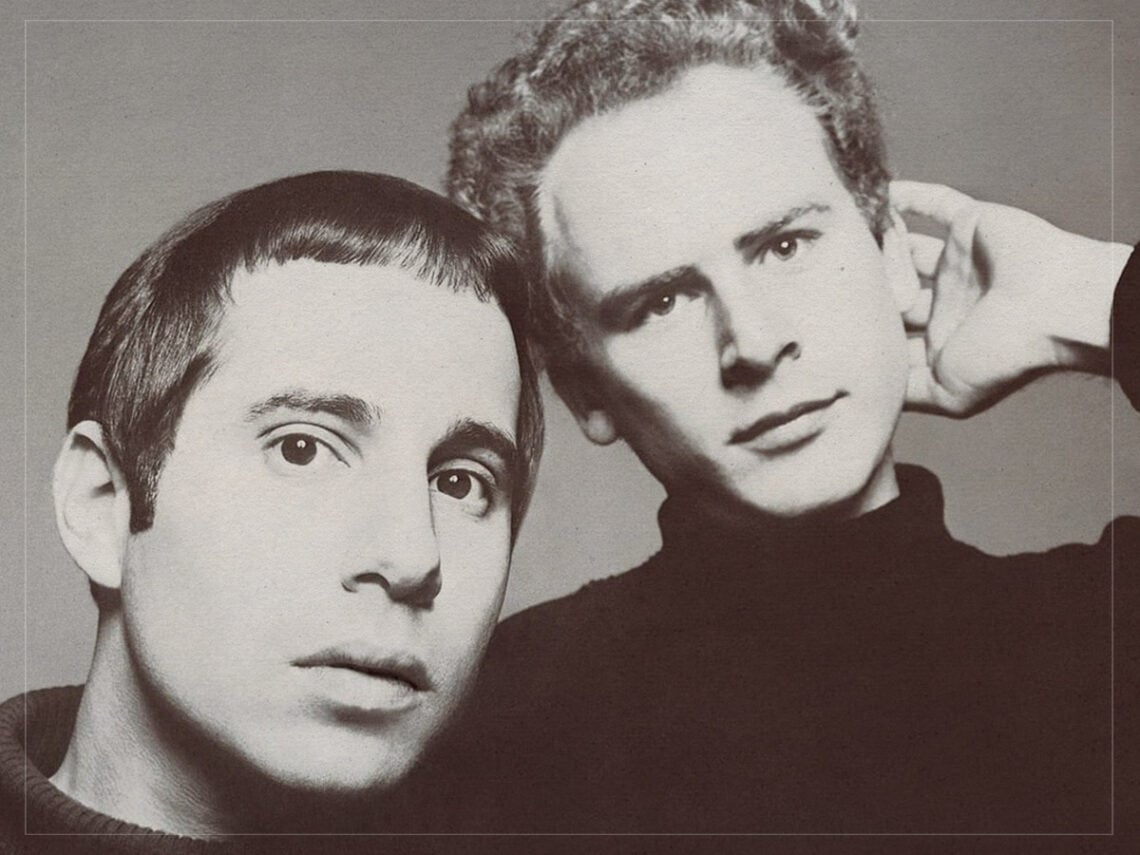
The number one Simon and Garfunkel song Paul Simon openly disliked: “It might sell”

Once success came their way, Simon and Garfunkel didn’t often see eye to eye.
The once close friends quickly started drifting apart down different musical streams, with their joint project caught in difficult cross-fires until their inevitable split by the 1970s. However, one of Paul Simon’s least favourite moments actually had nothing to do with his bandmate but left him “horrified” either way.
Instead, this was a classic case of a producer overstepping. It’s a sadly common one, with plenty of stories of artists being left hating their work after other hands have left their fingerprints on it. There’s the infamous story of Paul McCartney hating what Phil Spector did to ‘The Long and Winding Road’ so much that it led him to finally pull the plug on the band. Or similarly, the fact that Nico despises the final sound of her album Chelsea Girls.
That tension between artistic control and commercial success would become a recurring theme throughout Simon’s career. While ‘The Sound of Silence’ may have opened doors that would otherwise have remained firmly shut, it also served as an early lesson in how quickly an artist’s vision can be reshaped once other voices enter the room.
Looking back, it’s a strange contradiction: the very song that launched Simon and Garfunkel into the stratosphere is also one that its creator could never fully embrace. It stands as both a triumph and a cautionary tale, a reminder that sometimes the biggest hits come at the cost of the artist’s original intent.

The relationship between a musician and their producer is delicate. When it works well, the creative partnership can be heavenly, elevating the artistry to a whole new level. But when it goes wrong, it can ruin a great piece of work.
It was the latter in the mind of Paul Simon, as one of Simon and Garfunkel’s most famous and beloved tracks was redone without their input. But really, the band owe a lot to the track either way.
‘The Sound Of Silence’ is the song in question. In a lot of ways, it’s the track that birthed the band. It was the hit they performed at their audition with Columbia, earning them a record deal. They then released their original acoustic version in 1964 for their debut album, Wednesday Morning, 3 A.M. Originally, the band and label thought they’d flopped as the album landed with disappointing sales. But they had to wait and play the long game, as this song began to slowly gain more and more attention.
By 1965, the song was a regular fixture on radio, starting to bring the band more attention and renewing their motivation to keep moving forward and make new music. However, it also caught someone else’s attention: a producer by the name of Tom Wilson.
Wilson took it upon himself to rework the track without any connection to the group. After The Byrds found fame with an electric cover of Dylan’s ‘Mr Tambourine Man’, he thought that the same could happen for the folk duo. So he set about overdubbing the song with electric guitars and bigger production.
The remixed version was released in September 1965, still without any consultation with the band or permission to do so. But before the group could pull the plug on the song, it had hit number one in the charts. Wilson’s prediction was correct, as his electric version was a huge success, but Paul Simon hated it.
Simon’s friend Al Stewart recalled the musician’s response to the track in the biography, Paul Simon: A Life. “Paul was horrified when he first heard it … [when the] rhythm section slowed down at one point so that Paul and Artie’s voices could catch up,” he said.
Garfunkel wasn’t bothered as he was more focused on simply getting a hit, getting more money and getting to make another record. “It’s interesting, I suppose it might do something, It might sell,” he told Wilson. It definitely did do something and did sell, securing the band’s future as their second album was named after the hit track. But regardless of the benefit it brought, Simon never liked the track.
