


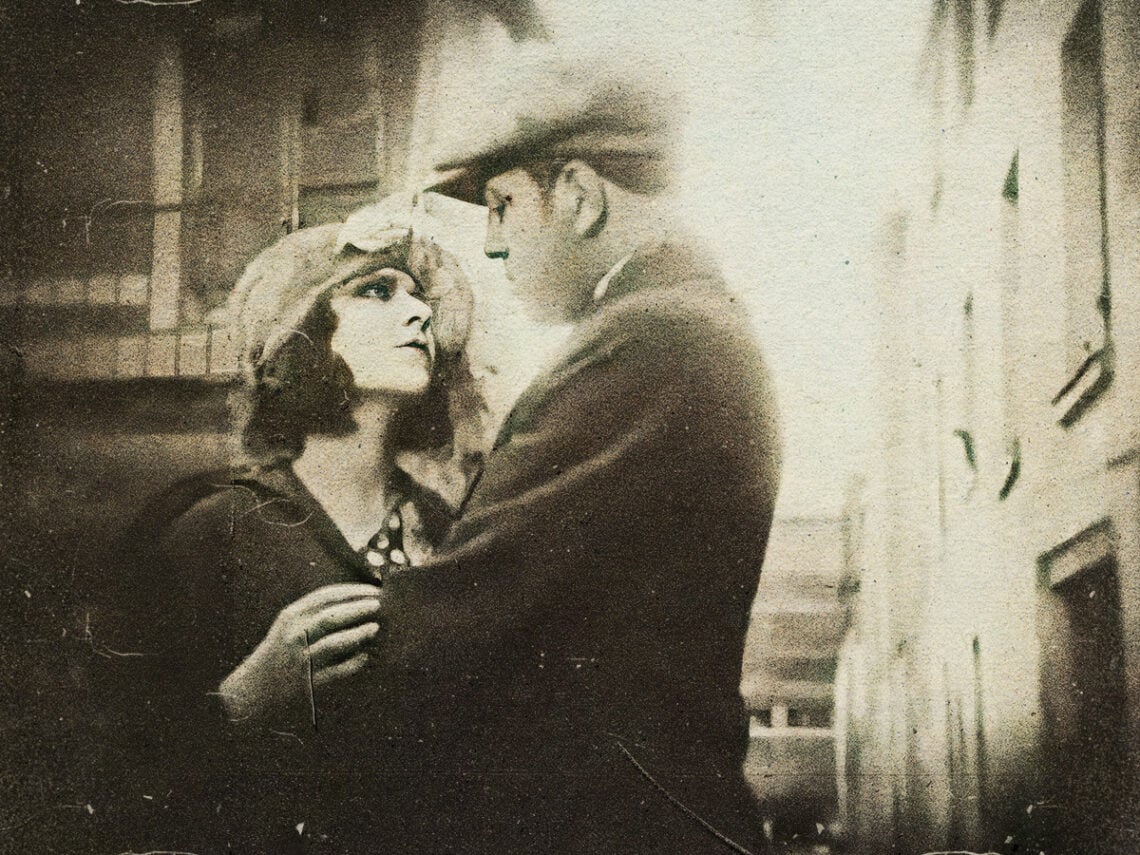
‘Nothing but Time’: Alberto Cavalcanti’s Paris

The great cities of the world have always inspired art, resulting in the creation of some of the most renowned masterpieces produced by our civilisation. Among those legendary cultural hubs, Paris is definitely one of the prominent examples of this specific artistic tradition. The city has been practically immortalised by pioneering artists who strived to capture its infinite nuances, ranging from Ernest Hemingway to Jean-Luc Godard.
Throughout film history, there have obviously been countless iconic representations of Paris, but one that still manages to stand out is Alberto Cavalcanti’s monumental 1926 work. Titled Nothing but Time, it is often cited alongside the great city symphonies from that era, such as Manhatta. Once you experience Cavalcanti’s dizzying vision, the seminal impact of this artistic curiosity is immediately evident, and its influence is simply inescapable.
Born in Rio de Janeiro, Cavalcanti initially planned on becoming a lawyer and started his university course at the age of 15 before being thrown out by a professor. After venturing into architecture, interior design and working with the Brazilian consulate, he eventually decided to enter the magical world of filmmaking. Nothing but Time is especially remarkable because it marked Cavalcanti’s first directorial project, now considered by many to be his finest.
Seeking to dismantle the extensive mythology of Paris and its glamourous image, which is still deeply embedded in the public consciousness, Cavalcanti begins by physically (and symbolically) ripping apart a Parisian vision of opulence. Through intertitles, he explains that he wants to bring the city to life through his montage, trying to use the visual power of the medium to deviate from the aesthetic frameworks of famous paintings depicting Paris.
Constantly using clocks to signify the irreversible passage of time, the filmmaker exposes the hypocrisies of modernity with the precision of a surgeon and the emotional force of a poet. By cutting between images of garbage and fresh vegetables, Cavalcanti illustrates the endless cycle of waste that urban centres generate. For modern audiences who are all too familiar with the unsustainable production of waste, it’s horrifying to contemplate the self-destructive trajectory that we have followed in the century since Nothing but Time was made.
Cavalcanti’s commentary obviously attacks the wealth inequality, crime and destitute conditions caused by poor economic policies, but it’s also strikingly ecocritical in nature. One of the most fascinating segments of the film features a gentleman contentedly swallowing meet at a fancy restaurant. Cavalcanti superimposes the brutal footage captured at a slaughterhouse on top of the dish, brilliantly pointing out that irresponsible consumerism is the death knell for our society. Almost a hundred years later, it’s undeniable that the consequences have been devastating.
Watch the film below.
