


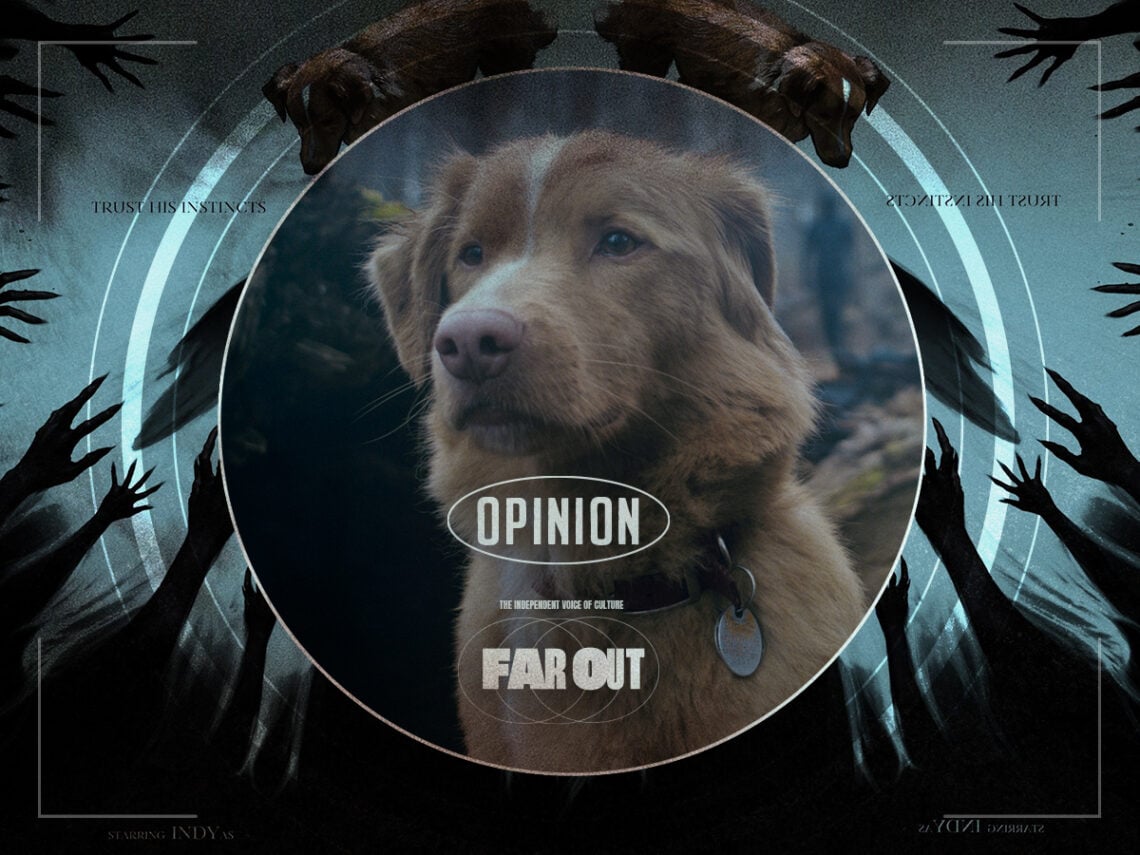
Not-so-‘Good Boy’: Can the fad of horror movies shot from unique perspectives be put down already?

I’m not some kind of monster, I get it. I understand that everybody loves dogs, so the idea of putting a pooch front and centre in a horror movie like Good Boy is a surefire ticket to internet buzz and, in an ideal world, more box office than the filmmakers can shake a slobbery stick at.
However, and I say this as someone who likes dogs and horror movies: this movie is going to suck. There’s no two ways about it, I’m afraid. Critics, gorehounds, and die-hard dog lovers may pretend that it’s good, and not 80 minutes of mind-numbing boredom, but they will be lying to themselves.
Why, you may ask, am I so convinced that Ben Leonberg’s spooky ode to man’s best friend will be so bad? Well, I’ll tell you, faithful reader, I’ve been here before. I even have the receipts (in the form of a scathing review penned for this very publication). The notion of presenting a horror movie from a new, unique, never-before-seen perspective has been gaining momentum in the last year or so, and several examples have already been released. Worse, I’ve already been hoodwinked by my natural curiosity into watching two of them and almost fell asleep during both.
First, there was Chris Nash’s In a Violent Nature, which arrived in July 2024 on the horror streaming service Shudder. This was billed as an “ambient slasher”, and to give credit where it’s due, that was the perfect descriptor for this ponderous, frustrating, somnambulant piece of filmmaking.
The idea of presenting an entire film from the perspective of a hulking, masked serial killer stalking his victims sounds extremely cool on paper, and in two and a half minute trailer form, it looks like a fascinating experiment.
By the 15th minute spent looking at the back of a faceless killer as he slowly plods through the woods, looks through windows, and eventually doles out violent retribution, though, it becomes depressingly clear that this ‘experiment’ is truly more of an endurance test. In the end, I didn’t feel voyeuristic or complicit in the bloody killings; I just wanted it to be over because I had better things to do with my time, like stare at the wall.
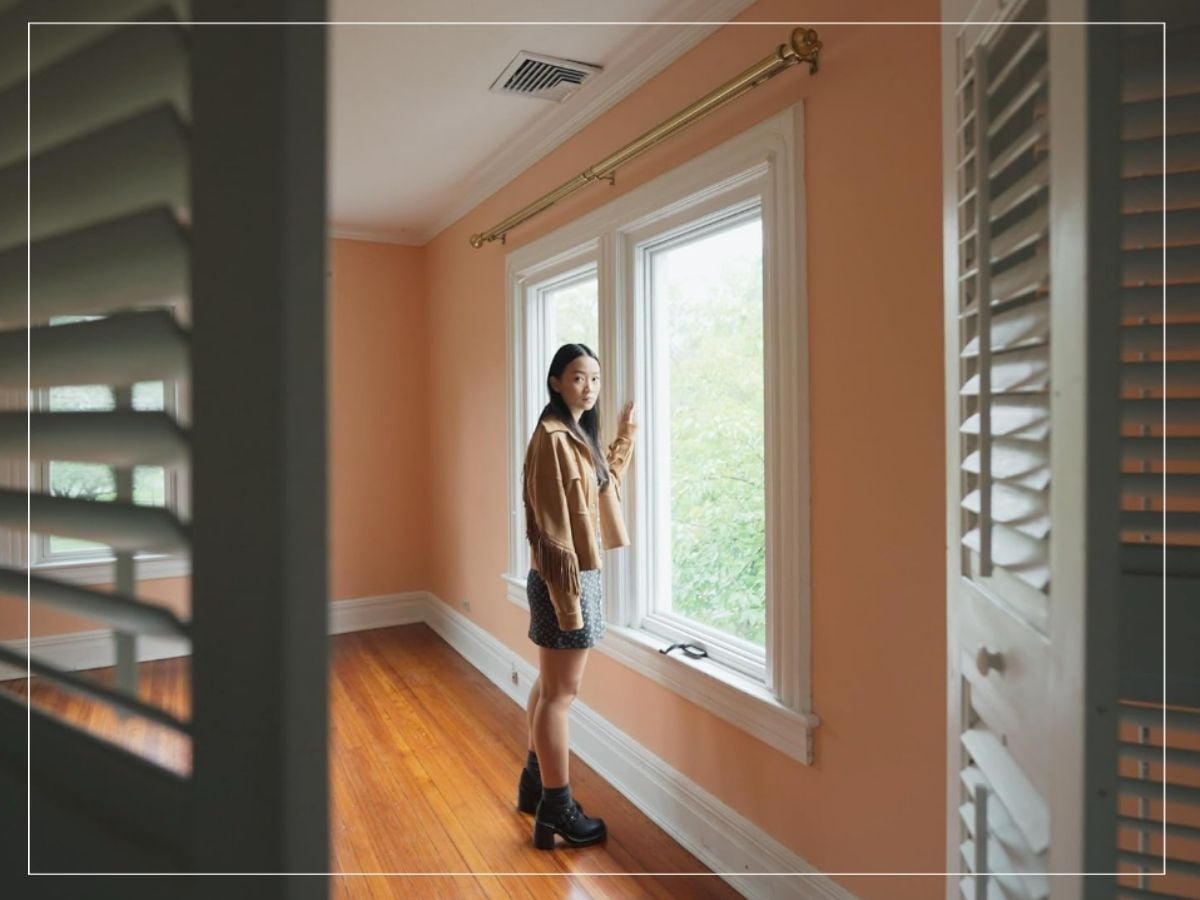
Next up was Steven Soderbergh’s Presence, which shifted the perspective of a haunted house story from the scared inhabitants to the ghost itself. Once again, this sounded like a neat idea, and the trailer was promising. However, in practice, the film was almost as dull as In a Violent Nature and boasted even fewer scares.
For 85 interminable minutes, the camera listlessly drifted around a house, hiding in cupboards and eavesdropping on a family as they had not-particularly-interesting conversations. Then, almost as if Soderbergh realised halfway through that something needed to actually happen in his film, it introduced a credulity-stretching twist that set things up for a laughable finale.
The film’s worst offence was how thoroughly it proved that shifting the perspective of a horror movie from the protagonist to the danger menacing them only robbed it of tension at every turn. The thrills in a horror film generally come from characters not knowing what is going to be thrown at them next, and when that is removed, there’s nothing left but a camera boringly following people around a house. If anything, it winds up feeling like an experimental theatre piece whose artifice is constantly shoved in the viewer’s face.
To this disgruntled viewer, all In a Violent Nature and Presence did was shine an unforgiving light on what these perspective shifts are: gimmicks. Moving into the POV of a killer or a ghost for a scene or two within the context of a film is an exciting change of pace and a display of filmmaking innovation that everyone can get behind. Extending that to feature length only exposes the inherent limitations of the practice and turns what could have been a fun horror movie into something contrived and infuriating.
So, I apologise to anyone out there who is really excited to follow Indy the dog as he battles the dark forces threatening his household like a live-action Courage the Cowardly Dog, I simply can’t see any way the movie won’t be tedious, repetitive, and devoid of true tension. Well, unless you count the fear most people will probably have that the poor dog is going to meet an untimely demise in the film, but I’d wager that doesn’t have anything to do with the filmmakers’ skills. Maybe it’s time this whole fad was sent to live on a farm, if you catch my drift.
