


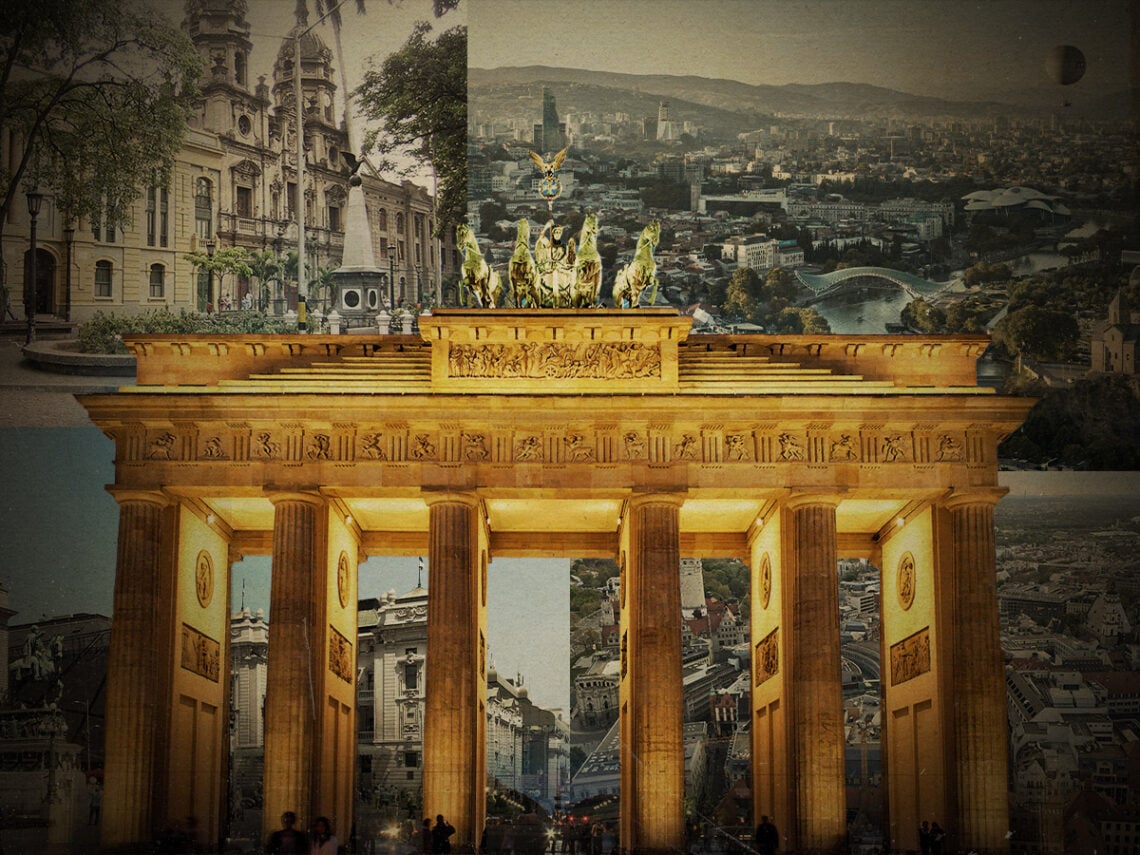
Not everywhere needs to be the “new Berlin”

There aren’t many cities in the world that elicit a response like Berlin. Even the name conjures up images of techno and strobes, makeshift bars, and effortless cool.
Besides Tokyo or New York, there’s no other city on the planet that has such a loved and aspirational identity. However, we need to talk about the most reductive phrase in travel writing, ‘new Berlin’, which is seemingly being handed to any city with decent nightlife and a bit of an edge.
Berlin is unique, and I’ve had some of the best nights in my life there. Kreuzburg is every bit as fun as advertised, and although I’ve never visited Berghain, it’s one of the few major European cities whose nightlife lives up to its reputation. You’ll never have a better kebab, watching a game at Union is unforgettable, and then there’s the history, which makes turning onto every new street a lesson in Europe’s recent past.
However, over the past few years, we’ve seen nearly every major publication describe somewhere as being the ‘new Berlin’. Occasionally, we’ll get qualifiers, it could be the ‘next Berlin’, ‘South American’s Berlin’, but the formula is always the same. I’m not sure exactly when this started, but over the past decade, we’ve seen Tbilisi, Belgrade, Warsaw, Medellin, and Athens, amongst many others, be labelled as such, with even Leipzig heralded as the ‘new Berlin’ despite being an hour away on the train.
The phrase shows laziness, it shows sloppiness, and it shows a deep disrespect to both Berlin and the cities that are being compared to it. It’s basically a way for the journalist to say that it’s fun, up-and-coming, fairly cheap and has an arty/creative vibe. It’s an editorial shortcut to tell the reader about the city’s credentials without ever actually putting in the work to tell you why.
We’ve seen the phrase used countless times across Eastern Europe and the Balkans. Over in the Baltics, we’ve seen both Vilnius and Tallinn described as such, seemingly because they have some of the elements that helped forge Berlin into what it’s become. They’re affordable, have strong artistic scenes and plenty of empty buildings which are being repurposed. Effectively having a few warehouses at reasonable prices turns you into the ‘new Berlin’ in modern travel media.
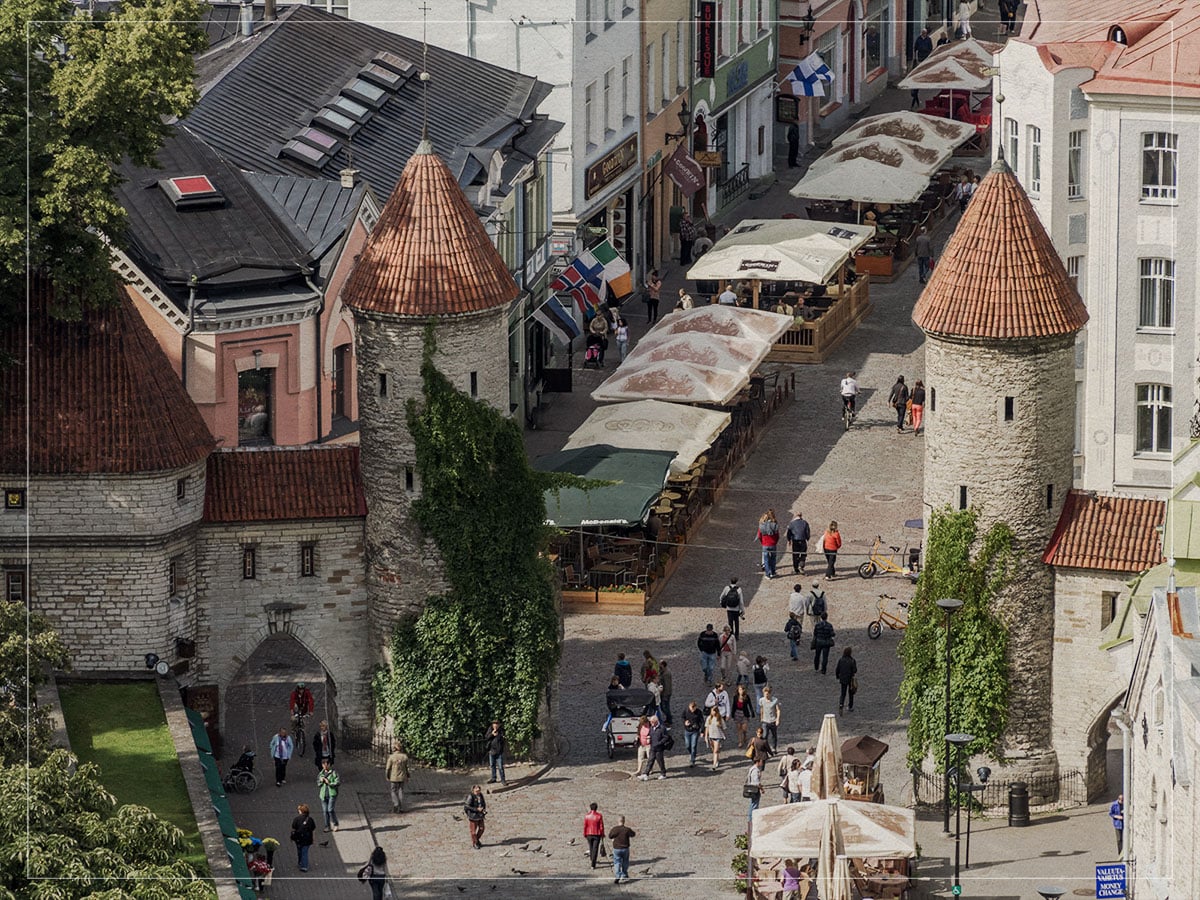
While many of the cities given the tag have undergone some sort of political and social change, there seems to be a lack of nuance to the term. What happened in Berlin after the fall of the wall was very particular to the city and its people. While other countries have had post-Soviet fallout, they’re not really comparable besides the ideology that was there initially. Berlin is very much a reaction to the trauma of the wall fall and the very specific conditions that were left behind. Comparing it to the likes of Tallinn, for example, really does a disservice to the people who lived through those changes and regimes in both countries.
Then there’s Tbilisi, which is the poster child for the terminology. It’s an extraordinary city, shaped by its past role in Georgian, Persian, Russian and then Soviet empires. It’s been at the intersection of competing civilisations for its entire history, and its architecture speaks to that, and their love of wine is arguably as deep and historical as that of the Romans.
Much like Berlin, it has a thriving LGBTQ+ scene and a love of electronic music, but it came to be in a very different manner, and that history shouldn’t be forgotten. Instead, much like anywhere else that has a squat bar and a Boiler Room set, it’s called the ‘new Berlin’, and people are urged to head there in their droves for its edgy atmosphere, authentic scene and good value food and drink.
The tag doesn’t just misrepresent a city but robs it of a chance to develop its own reputation, swallowing it up in hype. Before you know it, the clubs are full of tourists, influencers are doing cheese-pulls on TikTok, AirBnBs are rammed, and locals have been priced out by crazy rents.
Good travel content has always been about making the unfamiliar speak to readers or viewers. It’s about stories and allowing us, as consumers, to feel the warmth and authenticity of any place. Slapping the ‘new Berlin’ tag on a city does the exact opposite, trivialising the place before you’ve even set foot in it. Every city has a unique story and a complicated development that has come through hundreds of years of politics and social change. Let’s focus on how places came into being, and what makes them so unique and special, rather than claiming that they’re just different versions of somewhere else.
