


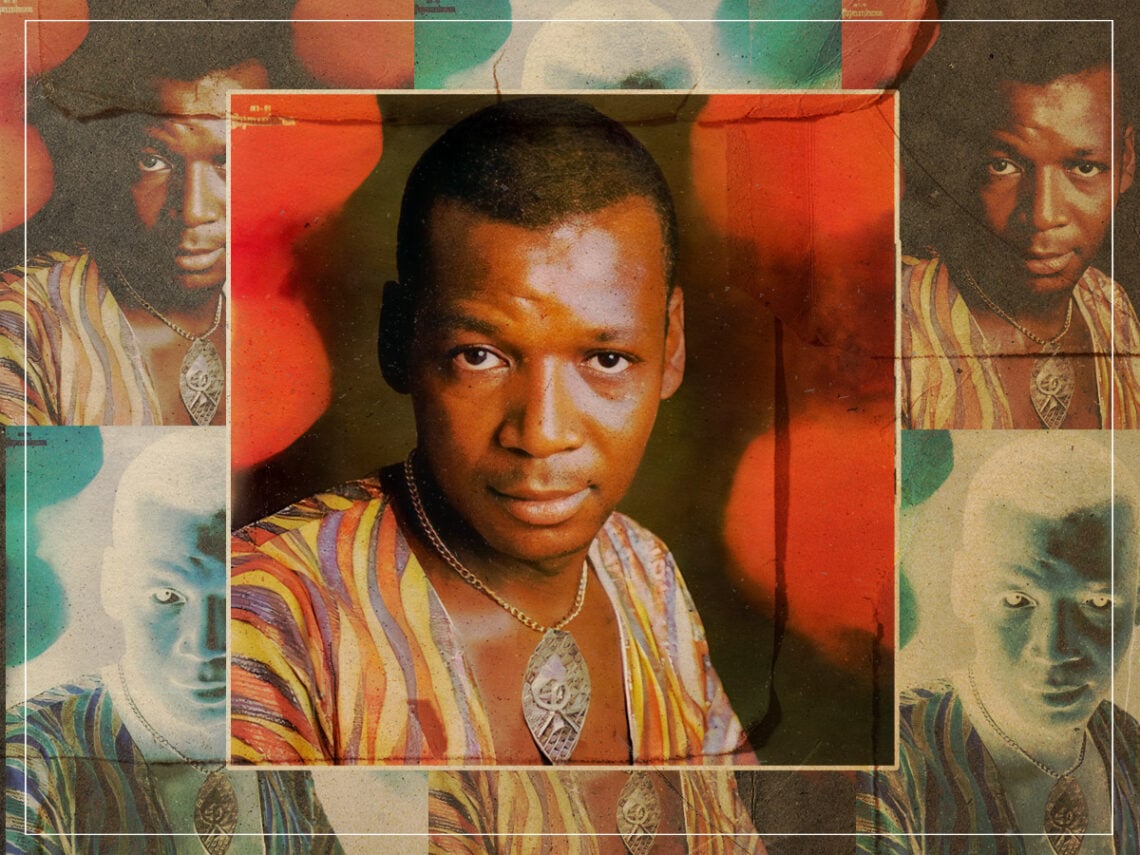
Noriel Vilela: The life, times and music of The King of Samba

The phrase ‘golden age’ gets thrown around a lot these days, but there seems to be little other way to describe the Brazilian music scene of the 1960s. At a time of great political upheaval and conflict in Brazil, the country’s art and music scene witnessed a vibrant explosion. As traditional styles of samba and bossa nova collided brilliantly with modern styles of Western rock and psychedelia, a variety of incredible new sounds dominated the airwaves. In all the chaos, it would be easy to forget certain artists, but nobody could ever forget the distinctive voice of Noriel Vilela.
Arising from the poor neighbourhood of Lins de Vasconcelos in the North of Rio de Janeiro, Vilela initially pursued a career as a lathe operator before joining the ranks of the vocal group Nilo Amaro and his Cantores de Ébano. Within this MPB group, Vilela quickly gained a reputation for his incredibly deep baritone vocals, which stood out against the pop optimism of many other Brazilian MPB groups at the time. The vocalist stuck with the group throughout the first half of the 1960s, witnessing some success with tracks like ‘Leva eu saudade’.
Despite the relative success of Cantores de Ébano, the vocal talents of Noriel Vilela demanded its own spotlight. Inevitably, therefore, it was only a matter of time before the Rio native embarked upon a solo tour. In 1969, the singer unveiled his first – and, ultimately, his only – solo studio album. Eis o Ôme, as an album, established Vilela as potentially the greatest proprietor of samba rock in all of Brazil.
Released by Copacabana Records, the album has since become a highly sought-after record for vinyl obsessives. Ultimately, it is easy to see why Vilela’s album has such lasting power and influence. Although his music is indicative of the wider Brazilian samba rock scene in the late 1960s, his vocal performance has something of a timeless quality to it – you could very easily mistake him for a modern artist upon initial listens.
While his debut studio album did not witness the same levels of commercial success as some of his contemporaries, few samba records of the same period have enjoyed the same enduring legacy as Eis o Ôme. In many ways, though, the album was eclipsed by Vilela’s 1971 single ‘16 Toneladas’, which would become his epitaph. The song itself is a cover or reimagining of the classic Tennessee Ernie Ford track ‘16 Tons’, an iconic song detailing the daily struggle of the working class.
For his version, Vilela imbued the somewhat melancholic track with a distinctly Brazilian feeling of vibrancy and optimism, breathing new life into the old folk tune. His deep vocals made him the obvious choice to cover Ford’s song, but the resulting cover might even rival the original version.
Tragically, the life of the samba king would be cut short, with Vilela passing away in 1975 at the age of only 38. Depending on who you ask, the singer either died as a result of leukaemia or an allergic reaction to a dental operation. The sudden death of the samba star left Brazilian music fans with a plethora of unanswered questions about how his work would develop through the 1970s as more modern influences and experimentation crept into the samba scene. As is the case with every artist worth their salt, though, the singer certainly lives on through his flawless body of work.
