

From David lynch to Jordan Peele: 10 directors who can sell a film with their name alone
Read More


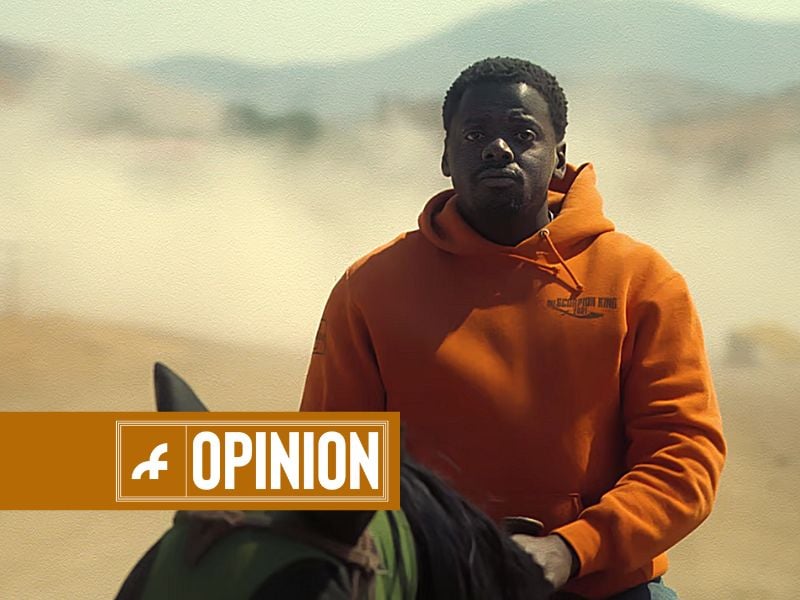
Jordan Peele has a childlike passion for cinema that few other contemporary filmmakers can compare to. Exciting and effervescent, the American comedian turned auteur is working at the very forefront of contemporary cinema, with one eye firmly on the many icons who made Hollywood cinema the revered establishment it is today during its bloom throughout the 20th century.
Making a name for himself in 2017 with Get Out, a tense pertinent thriller barbed with social commentary, Peele has been a popular media mainstay ever since, directing his second feature film Us in 2019, followed by a reboot of the popular series The Twilight Zone in the very same year. However, just in case anyone had forgotten his influence, Peele arrived in 2022 with the same gravity as he did in 2017, releasing one of the most fascinating contemporary blockbusters, charged with an utter passion for classic Hollywood filmmaking, Nope.
Following in the footsteps of his previous two releases, Nope differs from the trend in modern filmmaking in that it’s not based on a book, graphic novel or 1970s TV series, with Peele instead conjuring the concept from his own interrogation of classic genre filmmaking. Subverting and analysing the tropes of decades of blockbuster cinema, Peele goes back to the dawn of the concept by analysing the tropes of decades of blockbuster cinema, using Steven Spielberg’s Jaws as the basis for his monster flick that parts the clouds instead of the choppy waters.
Creating a movie that is as formally tight as it is visually phenomenal, Peele has created a movie that sings from the same hymn sheet as Spielbergian classics whilst adding innovative riffs that synthesise the style with modern filmmaking.
The story itself sees OJ Haywood (Daniel Kaluuya) and his sister, Emerald (Keke Palmer), who run a ranch training horses for Hollywood movies, understand, evade and capture the overbearing influence of a UFO that is stalking their land from the skies. Enlisting the help of a tech expert Angel Torres (Brandon Perea), the movie explores the interplay between predator and prey, questioning how one conquers the inconceivable.
This question isn’t all that dissimilar from the mission of blockbuster movie-making itself, when a filmmaker sets out to capture a concept that stands beyond the limits of human understanding. Indeed, as the owner of a nearby western theme park Ricky ‘Jupe’ Park (Steven Yeun) states in the movie, “You are going to witness an absolute spectacle,” as Peele probes deeper into the connection between the viewer, filmmaker and the sensation of the moving image.
What the filmmaker crafts is a complex, methodical, novel concept that takes time to develop its intricate characters whilst developing a prickly ethereal fantasy behind the scenes. Much like the classics of Spielberg, who would too instil his movies with a prick of horror, from the face-melting climax of Raiders of the Lost Ark to the terror of the cage scene in War of the Worlds, Peele also flashes one moment of pure unbridled fear when we’re taken inside the body of the beast.
Calling back to the sophistication of mid-20th-century blockbusters, Peele’s protagonist is also an authentic individual in and of himself, with the filmmaker prising his lead from the jaws of a modern industry whose main characters are often whacky, frenetic caricatures. Shy and introverted, OJ leaves the customer-facing side of his business up to his sister, who provides the energy for their double act, with Kaluuya and Palmer collaborating with extraordinary dynamism.
Pandering not to the modern expectations of contemporary Hollywood, Peele has reminded the industry of the majesty of the classic blockbuster, where innovation, originality and savvy filmmaking thrived. Answering as many questions as it asks, Peele’s film adds to the endearing mythos of blockbuster filmmaking whilst teetering on the precipice of contemporary cinema, looking with gusto out yonder.
