


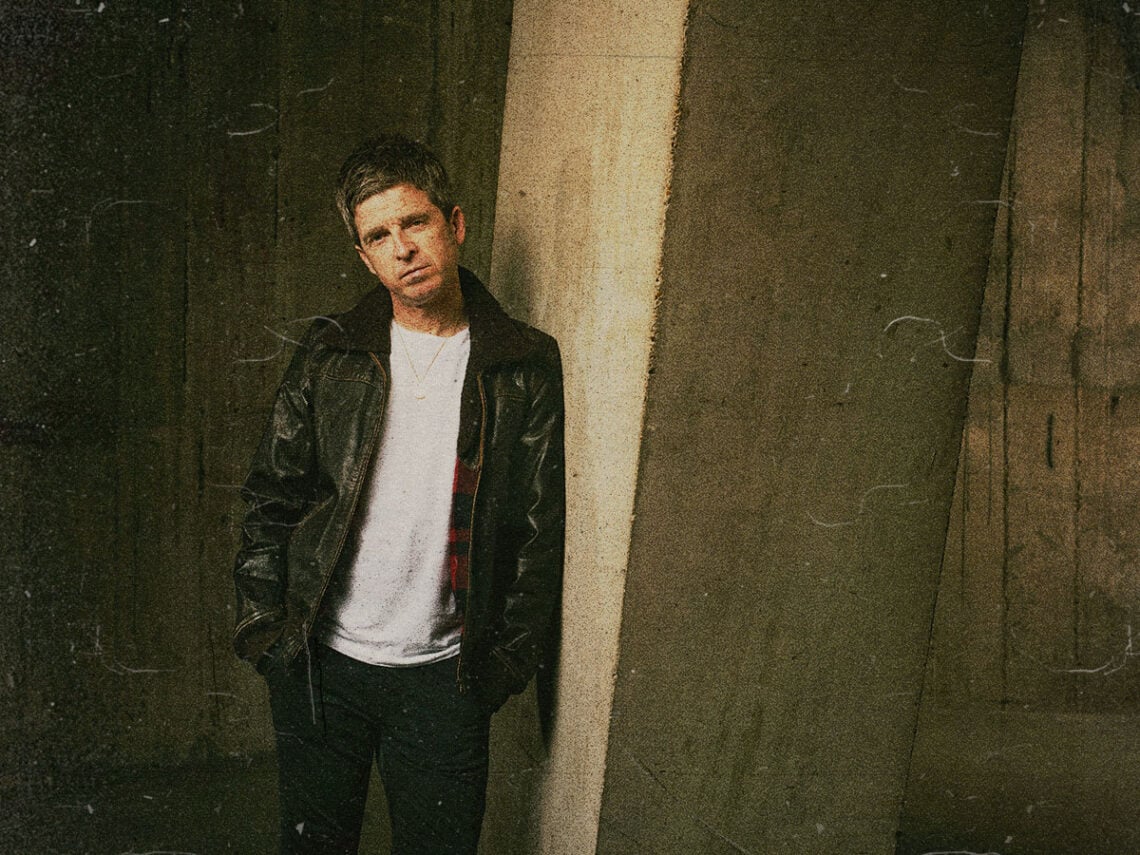
Noel Gallagher’s favourite rap acts: “I have a vast collection of hip hop tunes”

Hip-hop and Noel Gallagher have a thorny history. Still an albatross that hangs heavy around the Oasis songsmith’s neck, his puritanical rejection of Jay-Z’s 2008 Glastonbury Festival headliner swiftly aged like milk after the New York rapper provided the Worthy Farm jamboree with one of its most acclaimed performances.
The Verve frontman and “genius”, as (What’s the Story) Morning Glory?‘s liner notes dubbed him, Richard Ashcroft adopted a much cooler recognition of Jay-Z’s merits as he took the Pyramid Stage the following Sunday: “A shout out for Jay-Z for putting in a good performance, but tonight is rock n roll!”
Despite Gallagher’s dogmatic refusal to acknowledge hip-hop’s place at Glastonbury, a position he’s softened on over the following years, he was no rap refusenik, bestowing high praise on Def Jam’s tour date at Manchester Apollo in 1987 featuring LL Cool J, Eric B & Rakim, and Public Enemy— the latter he called “inspirational.” However, as is often the case with hip-hop critique, Gallagher marks the genre’s golden age as essentially pre and post-G-funk.
“I love hip hop, up until the very early 1990s,” Gallagher told Portland Mercury in 2012. “From the very early ’90s onward, it all got a bit, uh, all the gangster shit and all the ‘bitches’ and all that kind of money and all that, but from the late ’70s to the early ’90s, I have a vast collection of hip hop tunes.”
Braggadocio has been an essential and fun ingredient to rap ever since the South Bronx’s B-boy days back in the 1970s. It’s true, however, that Dr Dre and the Death Row Records cohort, followed by New York’s Bad Boy Records not long after, gloried in flashy materialism and a queasy objectification of women around the time time of ’92’s gangsta rap classic The Chronic. But hip-hop didn’t have a monopoly on misogyny. The Beatles, The Rolling Stones, The Specials, and Red Hot Chili Peppers were just a fraction of rock’s heritage, featuring harmful lyrics toward women in their songbooks.
“The hip hop thing was mainly about the videos, the way women are portrayed in the videos—it’s not great,” Gallagher confessed. “I don’t give a fuck what anybody says. It’s not the best. Women don’t come out looking great in the hip-hop scene. And that’s not for me. I’ve got a daughter who’s 15 years of age, and maybe that’s just me being a concerned father. But I don’t despise any of it. Nobody will ever be as good as Public Enemy or the Beastie Boys.”
Gallagher must have forgotten about the Beasties’ obnoxious Def Jam years. While ‘Fight for Your Right’ is a classic, Licensed to Ill‘s ‘Girls’ and the tour’s caged dancing women didn’t endear themselves to progressive circles. Taken cues from Long Island’s politically charged Public Enemy, Beastie Boys dropped the juvenile bullshit and decamped to Los Angeles to cut the seminal Paul’s Boutique.
With the Beastie Boys’ dense and artful collages of niche samples, and Public Enemy’s It Takes a Nation of Millions to Hold Us Back stirring black American consciousness with its inspired, revolutionary flow, the hip-hop legends can confidently claim as the genre’s two greatest.
