


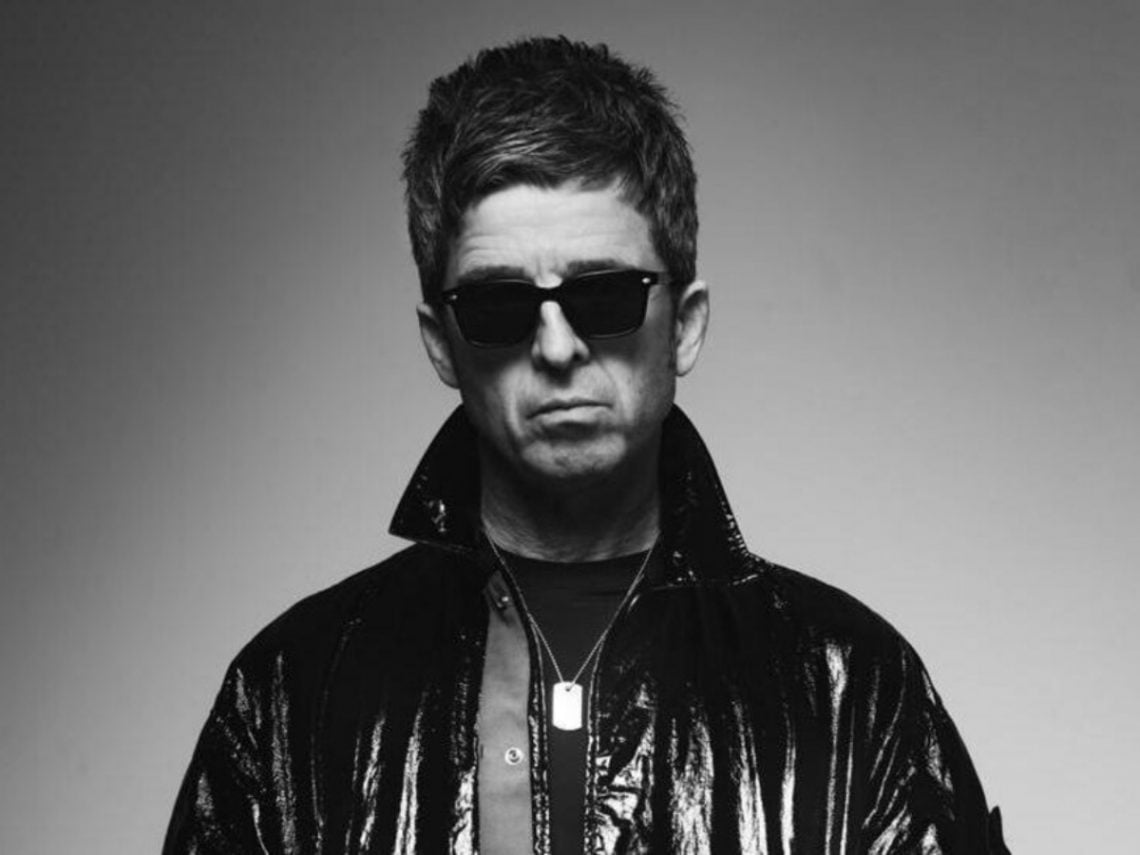
Noel Gallagher once explained the downside to Nirvana’s popularity

When Nirvana unexpectedly became the biggest band in the world following the release of Nevermind, the change in contemporary music was a refreshing shake-up that the scene required. Kurt Cobain and the band were original in every aspect of their artistry, and very few could have predicted their monumental rise. However, Noel Gallagher felt that Nirvana’s spike in popularity had dire consequences for the musical landscape as a whole.
While Gallagher was a fan of Nirvana, he was less impressed with the number of bands that emerged in the wake of their success without the same ingenuity. “I always had an affinity with him because he was left-handed, he had blue eyes, he was a Gemini, and he was into The Beatles, and that’s what I was, so I was like fucking hell,” Noel told NME in 2017 regarding his affinity with Kurt Cobain.
While Noel preferred to approach music with a glass-half-full mentality and look at the brighter side of life, he respected Nirvana greatly. Although Oasis and the Seattle trio examined life through a different lens, both bands were honest to their core, even if they were the antithesis of one another.
Shortly after Cobain’s tragic death, Oasis released their debut album, Definitely Maybe, and experienced a similar rise to superstardom. While being interviewed on the television programme Lock the Box, Gallagher explained how Nirvana partly inspired him to write ‘Live Forever’. He said: “At the time it was written in the middle of grunge and all that, I remember Nirvana had a tune called ‘I Hate Myself and Want to Die’. Which I was like, ‘Well, I’m not fucking having that.’ As much as I fucking like him and all that shit, I’m not having that.”
In 1996, Gallagher was on tour with Oasis in America and delved into more detail about his thoughts on Nirvana’s legacy during an interview with the Los Angeles Times. “I loved Nirvana, but their success led to thousands of other bands with the same attitude – all saying how horrible life is – and I think people feel the need for another side to the music,” he commented. “I’ve had as bad times as anyone when I was growing up in Manchester, but I’d listen to [the Beatles’] ‘I Am the Walrus,’ and for that 3 1/2 minutes, I was immersed in the lyrical imagery and I’d think anything was possible. It was only when the record was finished, and there was silence that I’d go, ‘[Expletive], I’m still in Manchester.'”
With Nirvana, like any other prosperous group, countless other artists attempted to replicate their success, and this issue isn’t exclusive to their story. In fact, the same happened to Oasis only shortly after he made this disparaging comment in 1996.
