


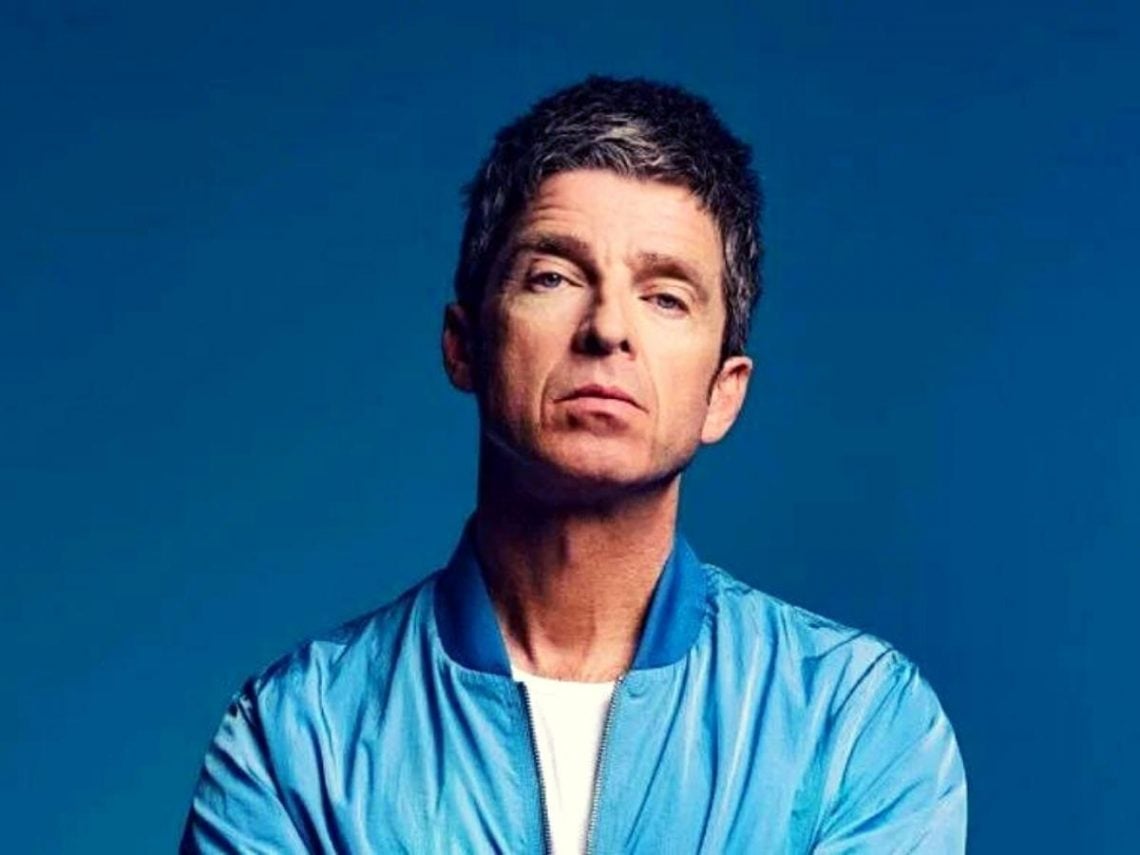
Noel Gallagher explains his love of ‘Pulp Fiction’: “this film changed everything”

Former Oasis creative figurehead Noel Gallagher is a man that has more strings to his bow than solely existing as a Britpop legend. Although this is true musically, the sentiment also extends to his broader life, with Gallagher being a constant source of surprise. In 2011, when sitting down for an extensive interview, the guitarist revealed himself as a lifelong lover of the movies. As part of the conversation, Gallagher lucidly outlined what makes Quentin Tarantino’s 1994 hit Pulp Fiction such a cultural juggernaut. He described the film as “great art” and a project that “changed everything”.
Gallagher’s comments came as part of a 16-page interview with Mojo, wherein he was asked to name five films that have changed his life for the better. Providing fascinating accounts of classics such as The Good, The Bad and The Ugly and Star Wars: A New Hope, Gallagher’s concise description of Pulp Fiction’s importance really caught the eye.
Famously, Tarantino’s crime film stars the likes of John Travolta, Samuel L. Jackson, Uma Thurman, and Bruce Willis and tells several separate Los Angeles stories that gradually weave together. Comprised of ironic humour and ample stylised violence, Pulp Fiction was a critical and commercial hit, confirming that Tarantino was not just a one-hit wonder following the success of his debut, 1992’s Reservoir Dogs.
The film gave life to a career that would see Tarantino produce other significant titles such as Jackie Brown, the Kill Bill duology, Inglorious Basterds and Django Unchained. A masterclass in displaying his postmodern mesh of influences; this is what has made the film retain such freshness.
Whilst Gallagher could have effused at length about Quentin Tarantino’s signature film, the Mancunian kept it simple. He explained that the sign of “great art” is its impact after release. He said: “The sign of great art is what happens afterwards, and this film changed everything. Even the black suit and the black-tie look came back in, and before that only waiters wore it”.
While Gallagher correctly categorised Tarantino’s masterpiece as “great art”, the director himself has often looked back on the project with a hint of regret. During a recent interview, Tarantino was asked about Jackie Brown, the film that succeeded Pulp Fiction in 1997. He describes the movie as “opposed to Pulp Fiction, it wasn’t trying to blow your mind”, and instead, “It would become more like your comfortable friend”.
Following this comparison between the two films, Tarantino revealed that he developed an issue with Pulp Fiction when he looks back on it nearly 30 years later. “My biggest problem with Pulp Fiction is that I just don’t care for the direction of it that much,” he said. Tarantino claimed that he now feels he was “just capturing” the actors rather than steering the narrative. However, he eventually found some positivity in what he did at the time, claiming: “I hold on to things longer than other people would have because they wouldn’t have the confidence in my material that I have”.

Never Miss A Take
The Far Out Quentin Tarantino Newsletter
All the latest Quentin Tarantino content from the independent voice of culture.
Straight to your inbox.