


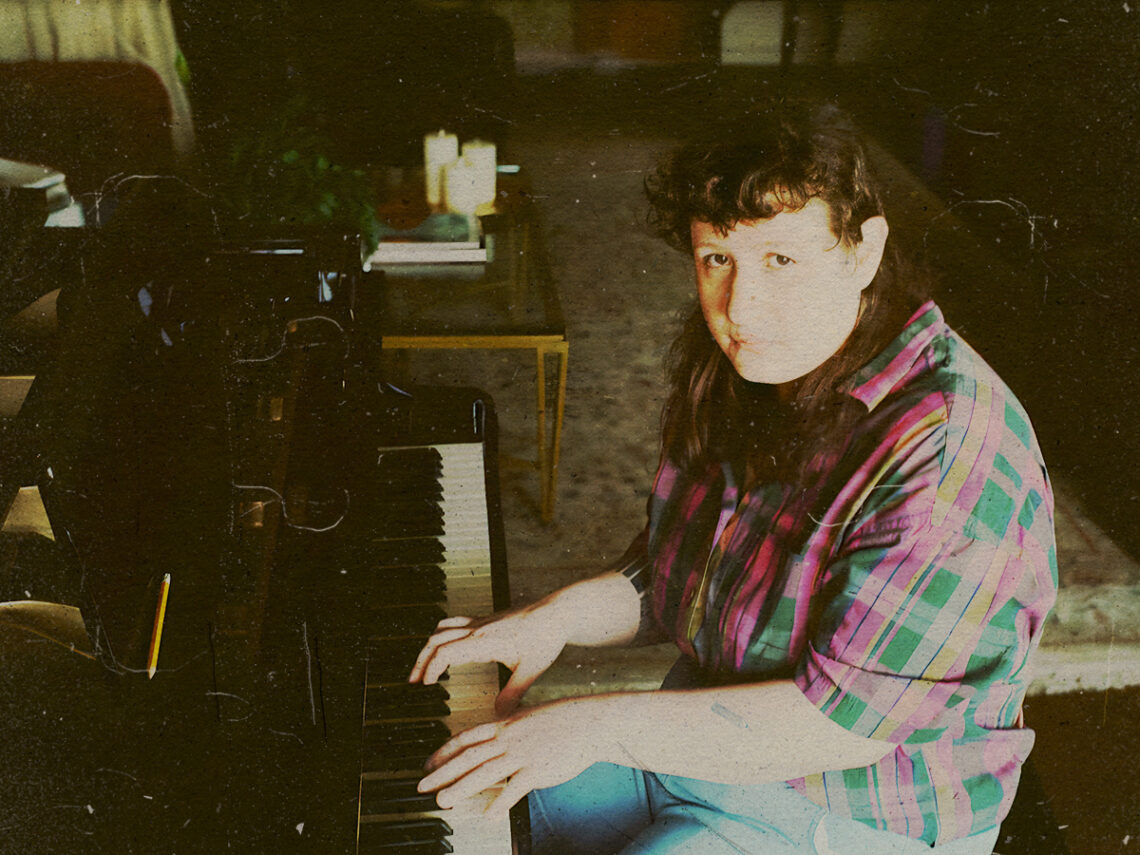
“I was sobbing”: the Nina Simone song that taught Joanna Sternberg how to sing

Finding yourself as an artist is one of the most challenging aspects of the entire venture. For Joanna Sternberg, there was already a melting pot of influences to help them find their way, each gifting the musician with a piece of themselves to provide the building blocks of the singer’s career. Sternberg has undoubtedly come into their own and become a class act in their own right, but, initially, they got by with a little help from their music friends.
As a singer, how you deliver vocals is often primarily dictated by the type of music itself. Sternberg’s gorgeous crooning often compliments the musical arrangements as they tackle various hard-hitting and emotional themes, like identity, loneliness, mental health, and reconciliation. Although the music is excellent, it’s Sternberg’s emotion in voice alone that cuts deep as they bare their soul for all to see.
It might be easy to view a musician as skilled as Sternberg as someone who always has it figured out, but everybody starts somewhere, and Sternberg’s list of favourites is filled with some of the greatest vocalists and jazz innovators of all time, like Miles Davis, Thelonious Monk, Mahalia Jackson, Ornette Coleman, and, of course, Nina Simone.
For anyone dreaming of one day becoming a singer, Simone is perhaps the best place to start. Simone had an innate ability to, as Nick Cave once put it, sing with both “love and scorn”, which made her performances brim with grace and emotion, oftentimes leaving audiences unsure whether she was on the verge of tears or a euphoric vocal breakthrough. This was something that intrigued Sternberg greatly.
Discussing some of their most important influences during an episode of What’s In My Bag? Sternberg explored the impact of Simone, recalling: “I don’t think I wanted to sing before I heard her,” adding that Simone helped them to believe in their talent, especially as, before hearing Simone, the singer “didn’t think I could [sing].”
Discussing ‘You Can Have Him’ from 1959’s Nina Simone at Town Hall, Sternberg recalls “sobbing” the first time they heard the song, partially because “it sounds like she’s crying”. Mostly, however, Sternberg wanted to replicate the same level of emotion: “I tried to do an impression of her. I didn’t know what my voice was, so I was doing this weird impression of Nina Simone.”
Being drawn to the “classical virtuoso pianist” and her chilling voice may have sparked Sternberg into action, but the rest, according to Simone herself, requires nuance alongside inherent musical skill and intuition. Picking up a copy of any of Simone’s albums and fancying yourself a singer is easy, but translating that urge into genuinely profound music and creativity is another level. One which Sternberg reaches with ease.
