


Nightlife industry body condemns UK government’s Autumn budget

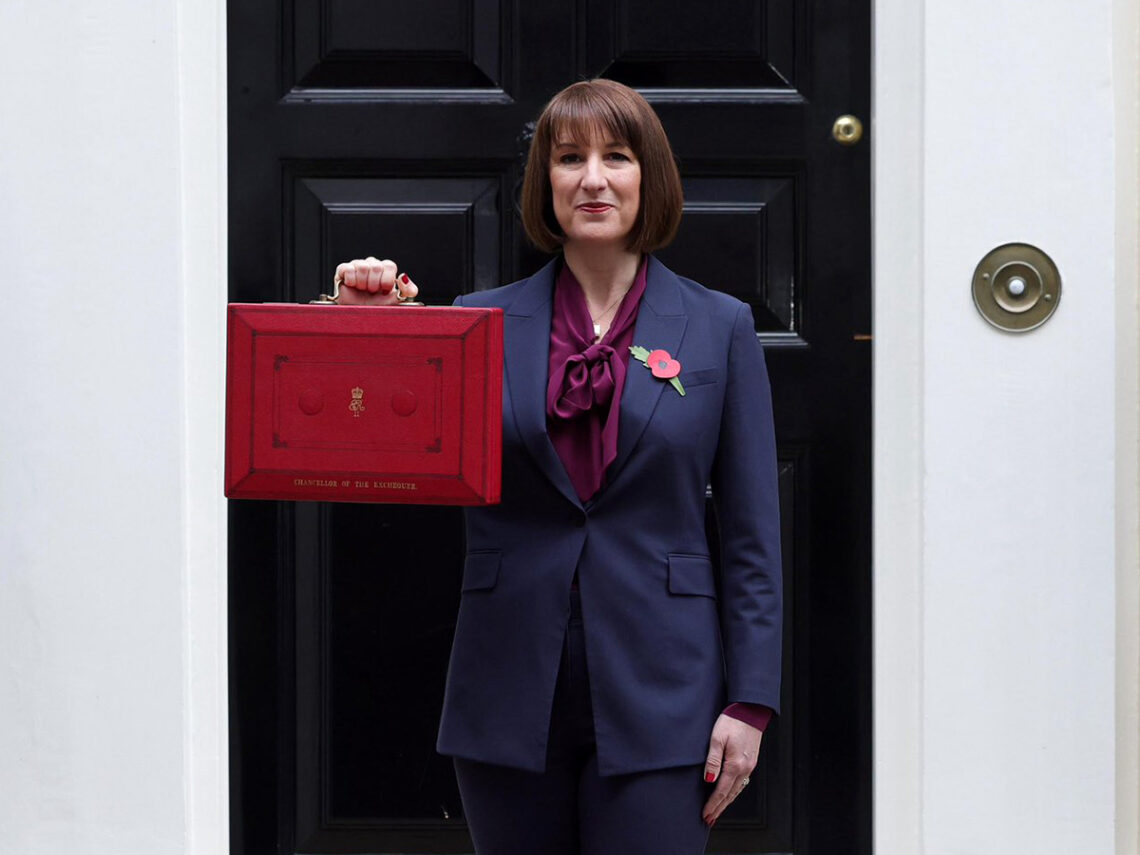
After Chancellor Rachel Reeves unveiled the UK government’s Autumn budget on October 30th, leading nightlife industry body, the Night Time Industries Association (NTIA), has condemned their lack of help towards the British hospitality sector.
The Chancellor revealed her first budget since taking office at the Houses of Parliament, which hopes to recoup £40 billion for the government through an increase in taxation. One of the main measures introduced is an increase to the national minimum wage by 6.7 per cent to £12.21 for over-21s, which would give workers an extra £1,400 in their pocket.
The NTIA has welcomed several of the plans revealed in the budget, but they also claim the sector is an “already delicate ecosystem” which could be further jeopardised by many of the financial plans announced by Reeves.
One of the key areas that the NTIA has criticised is the increase in alcohol duty which is set to rise in line by the retail prices index, although the cut in draught duty by 1.7 per cent has also been acknowledged.
However, the main sticking point in the budget is an increase in national insurance contributions from employers by 1.2 per cent to 15 per cent from April, 2025, which they claim will tighten the pursestrings even further on independent venues across Britain. So far, more than 6,000 night time venues have closed down over the past year.
As much as the NTIA thanked the government for plans to commit to “long-term reforms in planning, employment rights, and worker exploitation are transformative for the sector”, they also stressed that many venues may not survive to see these changes implemented.
- Sacha Lord details how UK nightlife sector can be saved
- Nightlife industry asks UK government for support in Autumn budget
In a statement, the NTIA’s CEO, Michael Kill, said: “We are in one of the toughest trading environments the UK has seen in decades for our sector, fraught with a legacy of challenges from previous crises. While the Chancellor has listened to our plight, the extended business rates relief is a minor concession amongst the array of tax increases and fiscal shifts, which will take some time to evaluate and consider regarding sector impacts. However, in simple terms, it is still double the contribution of the current business rates.”
The extended business rates relief that Kill discussed follows the government announcing plans to permanently introduce lower business rates for the retail, hospitality and leisure sector from 2026-27. However, for the next two years, these business will receive 40 per cent relief on business rates up to £110,000.
Despite welcoming the lowering of business rates, Kill is sceptical about whether this will have a genuine impact on businesses in the hospitality sector due to taxes being raised elsewhere, stating, “This relief will be immediately undercut by increased NIC Employer contributions and thresholds with increased individual employer contributions to businesses, net increase in alcohol duty and overarching workforce increases, although rightly intended to support the workforce, will have severe repercussions for already struggling businesses across the sector.”
Kill concluded by suggesting this move shows the UK government didn’t consider the intricacies of the sector, adding, “This shows an acknowledgement of core businesses within nightlife but lacks consideration for the broader industry outside of bricks and mortar businesses and the vital and diverse role our night-time economy plays within our communities and the UK’s culture and economy.”
The NTIA is pleading with the UK government to reassess its strategy with new plans that will “provide tangible support before irreparable harm is done to the night-time economy.”

Never Miss A Beat
The Far Out Music Newsletter
All the latest music news from the independent voice of culture.
Straight to your inbox.