


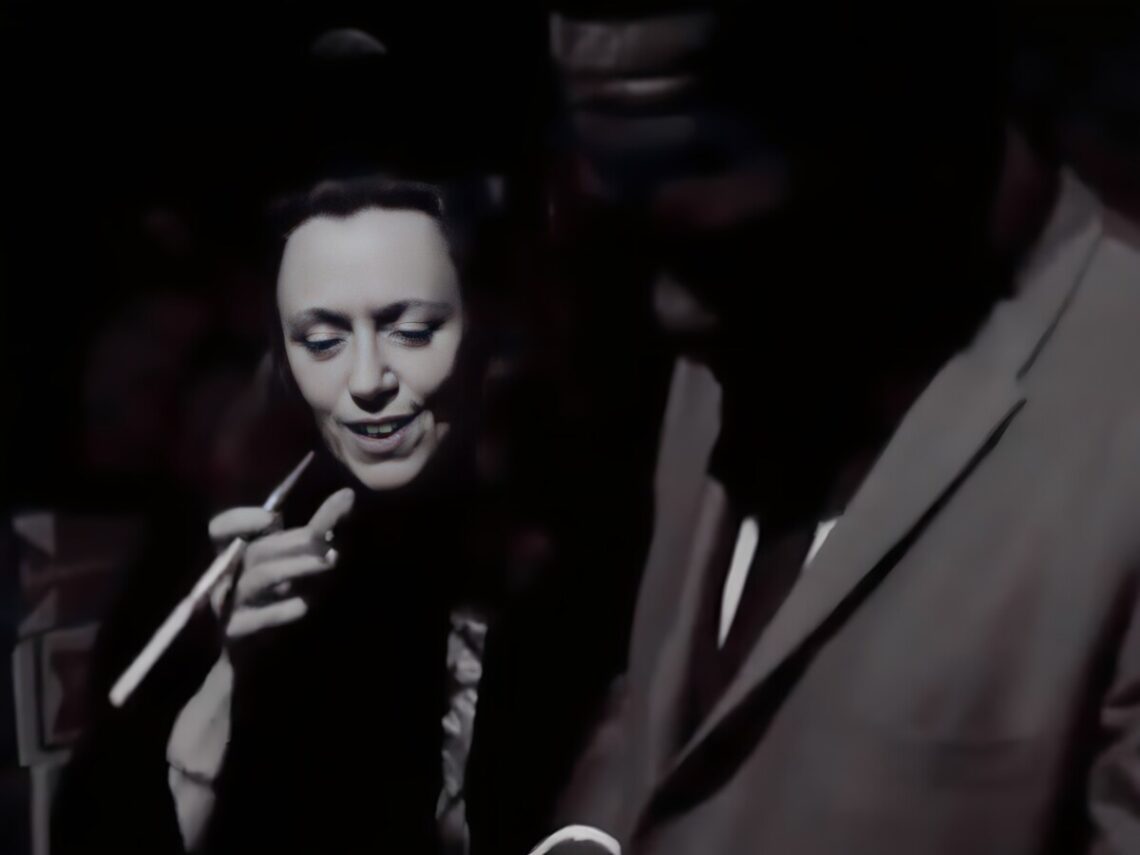
Nica Rothschild: The mysterious multimillionaire who transformed the jazz world

The super-rich aren’t exactly the most beloved members of our society at the moment, even if most of us have fully surrendered our principles to the conveniences created by many of their tech-based innovations and conglomerations.
On a rare occasion, though – albeit increasingly unlikely with each generation, it seems – a person from the land of the ivory castles does put their powers to use for the greater good of mankind.
One such example was Baroness Kathleen Annie Pannonica Rothschild de Koenigswarter, a woman born in 1913 to what was then the wealthiest family in the world. Back in the 1700s, the Rothschilds of Frankfurt had helped redefine super-wealth in the modernising world, using the fortune they’d earned as opportunistic bankers to elbow their way to a level of power and influence usually reserved for royalty, political leaders, and military conquerors.
The young Baroness, known to the unwashed masses as Nica Rothschild, certainly benefited greatly from being born with one of the world’s biggest and shiniest silver spoons. She studied art in Venice, Munich, and Vienna; married a French diplomat; and took up residence with her family in an impossibly large mansion in the North of France. To her credit, though, Nica consistently did her best to aim her money and resources and good causes, particularly during World War II, when she commendably put her own life on the line to help support the Free French Army, even lending her services as a decoder, radio host, ambulance driver, and protector of fleeing refugees.
It was after the war, though, and after her 1951 separation from her husband Jules de Kœnigswarter, that Nica found the unlikeliest of new callings.
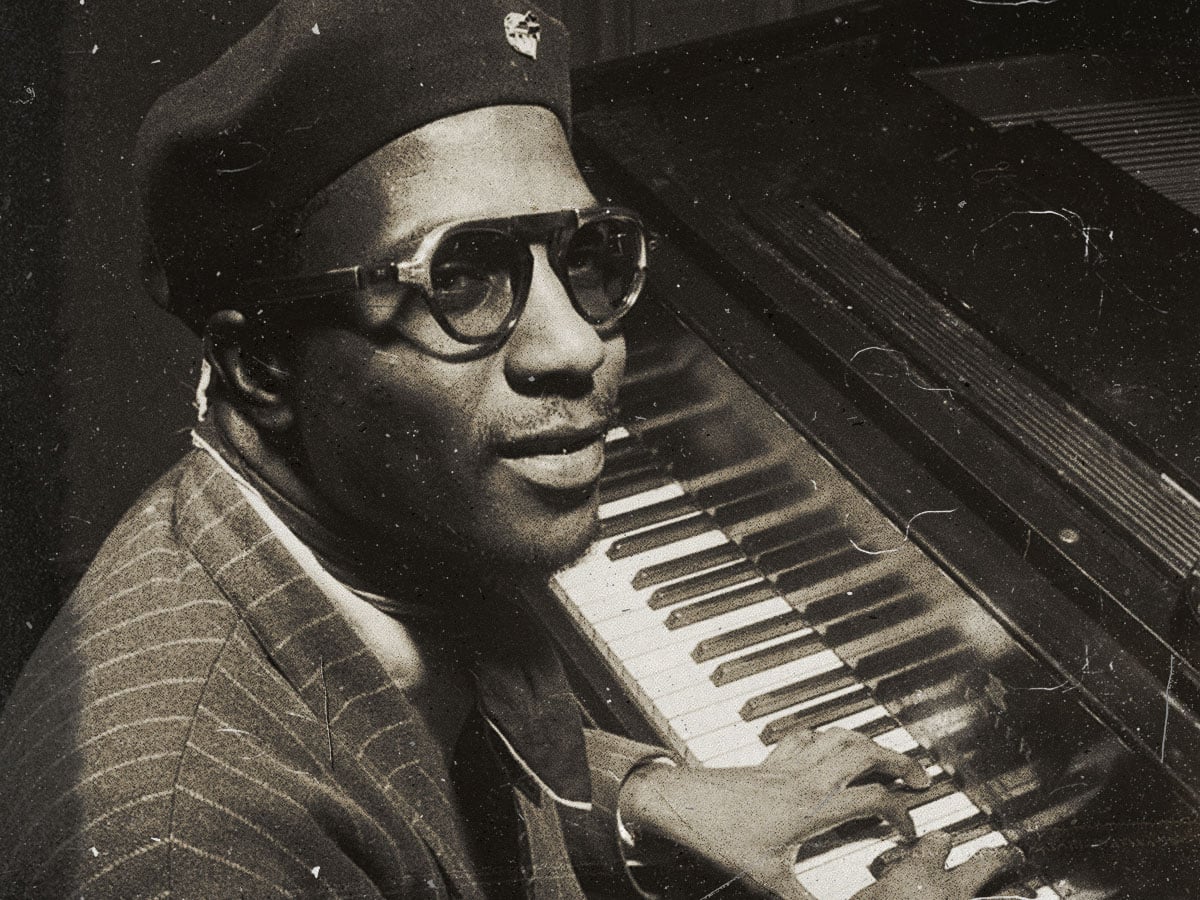
It began on a holiday in New York City, when the legendary jazz pianist Teddy Wilson – who was earning some extra scratch as a music tutor to Nica’s brother – played her a recording of Thelonious Monk’s ‘Round Midnight.’ The moment was, by all accounts, a lightning strike. Nica later said she felt as if her life “had begun all over again” the instant she heard Monk’s haunting, angular melody. Within weeks, she had left Europe behind and settled in New York, determined to immerse herself in the world of American modern jazz.
To those who knew her socially, this decision seemed almost deranged: Why would a Rothschild baroness abandon her privileged continental lifestyle for dingy Manhattan clubs filled with cigarette smoke, debt-ridden musicians, and the constant threat of police harassment? But Nica felt a sense of purpose she had never experienced before. She regarded jazz—bebop in particular—as one of the greatest artistic expressions of the 20th century, vastly more important than aristocratic decorum or the trappings of wealth.
Once settled in the Big Apple, she became a quiet guardian angel to countless jazz musicians who were struggling financially, legally, or personally. Earning the nickname ‘The Jazz Baroness’, she paid doctors’ bills, covered rent when gigs fell through, bought instruments after they’d been pawned or stolen, and offered car rides home at 3am to artists too exhausted or too intoxicated to safely get there on their own. Saxophonist Sonny Rollins later called Rothschild “a heroic woman”, and many artists paid tribute to her through their music over the years, with at least a dozen different compositions named after her or dedicated to her.
Rothschild’s most profound and enduring relationship was with the great pianist Thelonious Monk himself, who composed the track ‘Pannonica’ for her in 1956.
Over the years, Nica and Monk formed a deep, unshakeable bond – part friendship, part artistic devotion, part caretaking partnership. Monk, who struggled with mental-health issues and was increasingly misunderstood by the jazz establishment, found in Nica a rare person who not only believed in his genius but was willing to support him without reservation.
By the late 1950s, Nica had purchased the Stanhope Hotel on Fifth Avenue as her permanent residence, and the place quickly became an unofficial crash pad for the jazz world. Musicians knew they could always find a meal, a drink, or a couch at “the Cathouse,” as they jokingly called it. In 1972, when Monk became too ill to work or live independently, he moved in with Nica full-time. She and Monk’s wife, Nellie, both cared for him for the final decade of his life, shielding him from the world’s demands and ensuring that he could live out his days in peace and dignity.
For a woman born into unimaginable privilege, Nica Rothschild chose one of the least privileged corners of American culture and made it her life’s mission to protect and uplift it. It’s an incredibly unique story, but also a hopeful one, as it shows what a little unexpected empathy from today’s billionaires could do, not just for the arts, but for struggling people from all walks of life.
