


The consumers vs critics Netflix debate: Why streaming successes keep getting bad reviews

Every other Netflix triumph seems to be bashed by the critics and labelled with two-star reviews. Hit shows and movies amass millions of viewing hours and often outstrip box office equivalents, but they are categorised as trash or tripe by the powers that be. Occasionally, this divide can also be seen in traditional media, but it is undoubtedly more prevalent in the world of streaming. Why is this the case?
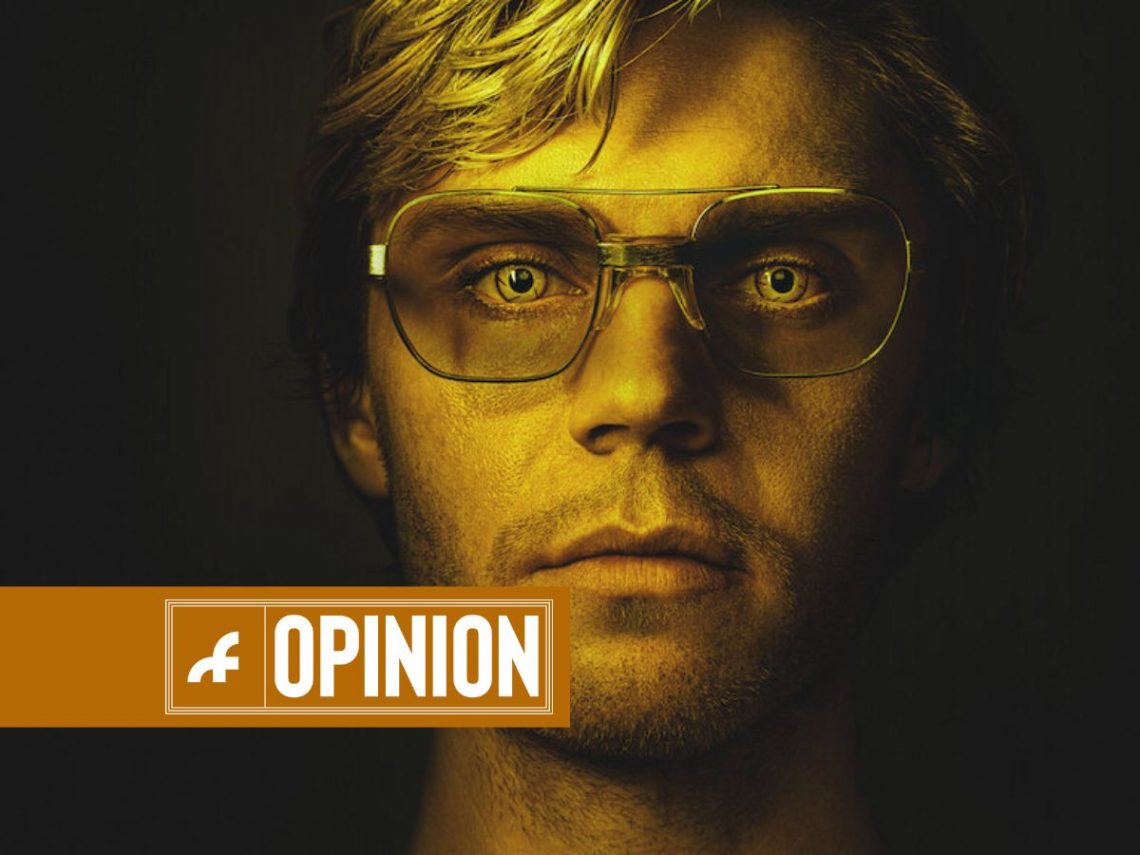
From Dahmer – Monster: The Jeffrey Dahmer Story (which was initially knocked for artistic reasons as opposed to the ethical issues which it should have been slated for) to The Gray Man, some of the highest charting shows and movies in Netflix’s history were condemned to the ash heap by critics ahead of their triumphant releases. Now, it’s worth stating from the off that neither of these were masterpieces and shouldn’t have been heralded as such, but it is anomalous, to say the least, that two-star content can be lapped up endlessly and praised with the consumer critique of, ‘You know what, I actually really enjoyed it’.
For my money, this disparity is down to the fact that reviews are often still stuck in the old-hat world of mainstream media—the analogue age, if you will. However, we consume media differently now. While old masters like Martin Scorsese might denigrate streaming movies and series down to mere ‘content’, the crux of the matter is that they’re not trying to compete with the likes of Goodfellas and other artistic masterpieces, they occupy a different niche in our daily lives.
Podcasts, for instance, are a boom of the 21st century, but you’ll rarely ever see a conventional outlet giving one a review. Partly, that is because they skirt under the mainstream radar, but it’s also because they are a tricky beast to critique. You wouldn’t get away with a hum-hawing ramble on the radio or TV, but this humanises podcasts and gives them a sort of irreverent personality that offers us a release from the mechanical grind.
It is that sort of mind-numbing catharsis that we’re after sometimes on streaming too. On a Tuesday night after a long day at work, we’re no longer necessarily after a challenging opus that masterfully couples an examination of Marxist theory with the tale of an old man who quits banking and moves to a Nebraskan cabin. We just want to be satiated by some mild entertainment.
Take, for instance, the show Moving Art. This oddity has been successful enough to amass three seasons, and all it does is silently display beautiful shots of nature, and it’s absolutely brilliant. Pop that on, throw a playlist on in the background, and you’ve got yourself a grand night in. On paper, it’s a tough show to sell because, literally, nothing happens, but it is the perfect tonic to our hectic daily lives. It is, in essence, necessary entertainment.
When discussing the stresses a modern citizen faces, Dr Danny Penman said: “People are working too hard. For the 200 years leading up until the 1980s, people were working progressively less each year. The economist John Maynard Keynes estimated that by now we should be working 15 hours a week,” we can all see how that went. “We’re also commuting a lot further. We are in and always on work culture as well. Our smartphones mean that we are never away from work, we are never away from social media or emails. We just cannot switch off.”
Netflix almost seems more in line with this stifling reality. They have tapped into the positively mind-numbing mild entertainment that we now crave. With less time to spend with our nearest and dearest and constant distractions wrestling our attention, we need something that we can talk over.
We also massive need the sort of five-star art that challenges society or can rightfully be labelled a modern masterpiece, but the community engagement of something a bit more paradoxically disengaging is also essential and almost mutually exclusive. It’s almost as though you need a Wednesday night rating and a separate artistic merit rating. Releases like Stranger Things might soar on both, whereas panned yet oddly beloved movies like Murder Mystery might paint a divide.
Critically we are not currently differentiating between the two. Thus, we get must-watch shows rendering the terrible reviews written about them pointless as the content gets subsumed in the same water cooler buzz we have needed from pop culture for aeons, and now it has a definitive yet unrecognised home.
In a rapidly changing world, where our free time is being squeezed down to a microscopic level, we need fast food entertainment to go alongside the wholesome roast of a great book or foreign cinema opus, and they should be judged as such. You wouldn’t put the Big Mac in the Michelin Guide, but you wouldn’t knock it on a rainy Wednesday night when you haven’t got time to cook either.
