


The best song David Crosby ever wrote, according to Neil Young

As a unit, David Crosby, Stephen Stills, Graham Nash and Neil Young formed the greatest supergroup of all time in CSNY; forget your Traveling Wilburys and Cream.
Bringing together four of the finest songwriters of their generation, the quartet’s time together might have been fleeting, but there can be no doubt that CSN’s debut alongside their Canadian friend and Stills’ former Buffalo Springfield bandmate, Young, is the definitive countercultural record.
Their 1970 debut, Déjà Vu, arrived when the hippie dream was on its knees and the new, much bleaker decade had arrived. It was a fitting final swansong to the era that had once held so much promise, where hope abounded, and those who partook in the counterculture genuinely believed they could change the world for the better.
Of course, culturally, they did so, with many game-changing innovations across the artistic realms laying the foundations for all that followed. Still, due to socio-political factors, world events and forces that acted against them, such as Charles Manson and his murderous cult, the hippie dream soon died a miserable death after its peak with the ‘Summer of Love’ in 1967. Its final hurrah was 1969’s Woodstock and The Altamont Free Concert, the latter of which was an absolute disaster and a tragically fitting way to welcome the grim new era.
CSNY arrived at exactly the right cultural moment to capture that transition between optimism and disillusionment. While earlier records associated with the counterculture often radiated innocence and idealism, Déjà Vu carried a heavier emotional weight, acknowledging that the dream many young people had invested themselves in was beginning to fracture. That mixture of beauty, melancholy and political awareness is precisely what gives the album such enduring resonance decades later.

As each member of CSNY had been a key driving force in the musical wing of the counterculture and also a vocal proponent of its spiritual and philosophical tenets, they understood that the times were changing for the worse at the end of the 1960s. While each man would remain a defender of the countercultural ethos to this day, their debut, Déjà Vu, was an exceptionally sagacious way of championing the movement even when it was clear it was on its way out, as apathy and darkness took hold of their generation.
From ‘Teach Your Children’ to their cover of Joni Mitchell’s ‘Woodstock’, the record is brimming with the spirit of the counterculture, with it not only a defining moment but remaining a time capsule back to that heady era for people who weren’t yet bored.

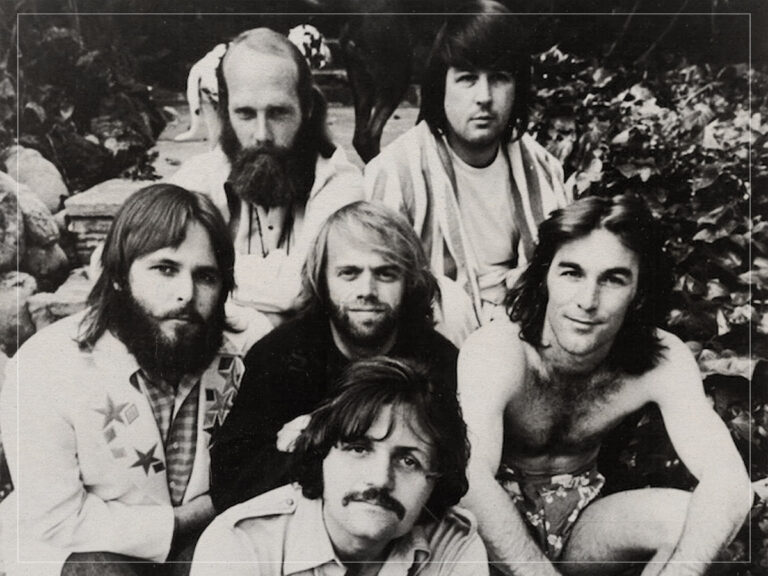
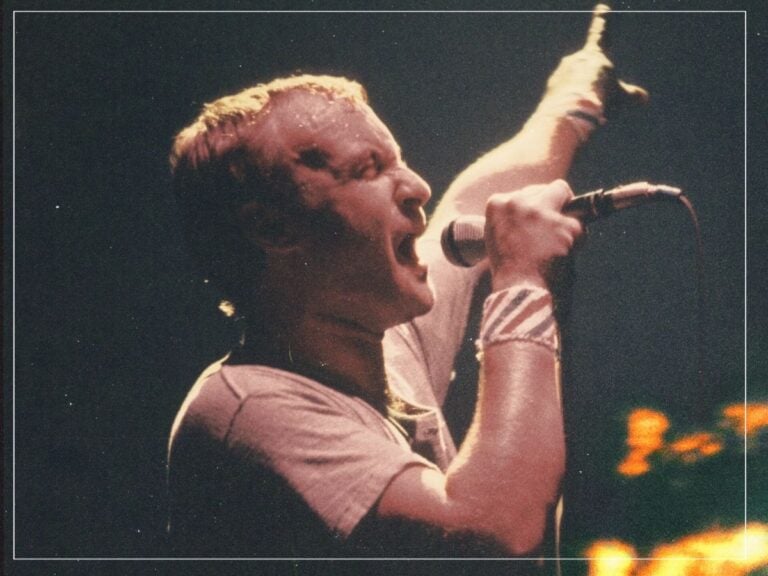
Although the band’s relations would oscillate over the years since the album’s release, each member was in no doubt about the quality of the songs on it, which all propped up its revered status. One of the highlights of Déjà Vu has always been ‘Almost Cut My Hair’, a Crosby original that the former Byrds man also sang. In it, he grapples with the decision that many of his generation were towards the end of the hippie era, whether to cut their hair short or to keep it long as a symbol of their ongoing rebellion, despite the winds of change blowing intensely.
A passionate, anthemic number with more grit than any other CSNY track, it became the last battle cry of the counterculture, with Crosby popularising the idea of letting his “freak flag” – his long hair – fly. Although Jimi Hendrix was the first to imbue the idea in their song ‘If 6 Was 9’, Crosby took the idea and ran off into the sunset with it, as the entire track is explicitly about long hair as a symbol of rebellion against the establishment’s mores.
Despite Crosby noting the rather juvenile essence of the lyrics, he understood that the song had a significant emotional impact. While it was intended as a defiant hippie anthem, it also carried much weight for him as it was recorded in the last moments of studio time CSNY had, with him still reeling from the tragic death of his girlfriend Christine Hinton just days before in a car accident. You can hear the pain in his voice.
That emotional rawness is what ultimately elevates ‘Almost Cut My Hair’ beyond a simple protest anthem about appearance or rebellion. Beneath the talk of “freak flags” and countercultural symbolism is a deeply personal expression of grief, confusion and resistance against a world that suddenly felt darker and less hopeful than it had only a few years earlier. Crosby may later have downplayed the lyrics, but the honesty in his performance remains impossible to dismiss.
While they might have had their problems late in Crosby’s life, Neil Young also had a strong sense of what ‘Almost Cut My Hair’ signified. He thought it was the best song his old bandmate ever wrote due to its emotional potency, and called it “Crosby at what I think is his best.”
