


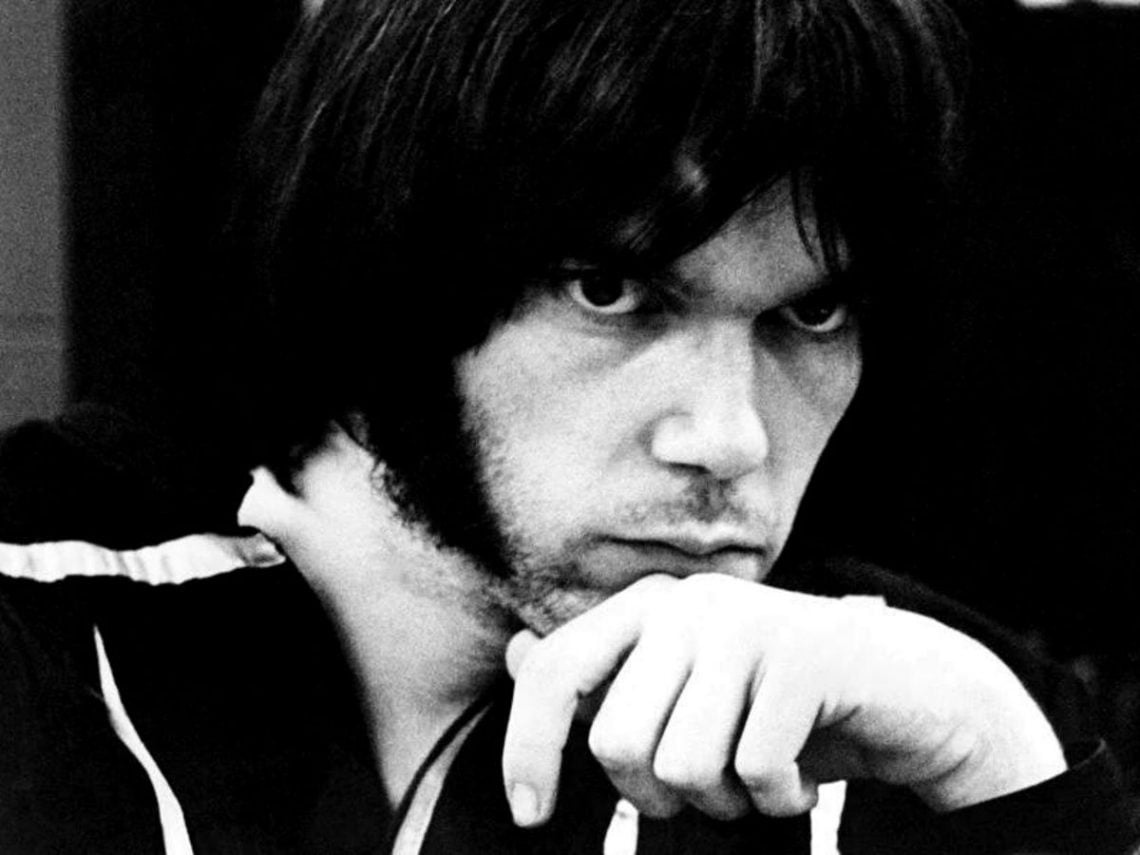
The feud between Neil Young and Lynyrd Skynyrd: “We know the difference between right and wrong”

Feuding has been ingrained in rock ‘n’ roll since the genre’s inception. Bands often shift from peers to rivals, driven by a competitive spirit that can transform music into a high-stakes game. In the case of Neil Young and Lynyrd Skynyrd, however, their animosity stemmed from a much deeper-rooted issue.
Of course, the most infamous rivalry in rock music is the war between The Beatles and The Rolling Stones in the 1960s, which remains the benchmark whenever two acts find themselves in a war of worlds. However, there was no personal hatred between the two bands, who fraternised in the same circles, and The Beatles even gifted one of their unused songs to The Stones. The manufactured feud elevated their positions in the public eye, creating countless headlines and adding more intrigue to their respective careers.
On discussing other high-profile issues, though, it was contrasting worldviews that came between Neil Young and Lynyrd Skynrd. These differing perspectives led to the two titans of the 1970s American rock scene locking horns in a fierce feud that would ramble on for many years.
Young has never been shy about airing his political opinions, whether on America’s involvement in international wars or who should be sitting in the Oval Office, having publicly endorsed Kamala Harris before the 2024 US Election. He lived a liberal upbringing in Canada, which shaped his outlook on the world, including his view on the southern states of America. Young felt the political beliefs held by those individuals from that region were backwards, which Lynyrd Skynrd, a band from Jacksonville, didn’t take kindly to.
Before Young shared his feelings on the subject, he could do no wrong in the eyes of the late Lynyrd Skynyrd frontman Ronnie Van Zant. The singer was open about his love of the Canadian singer-songwriter’s work and often wore a Neil Young T-shirt while performing at concerts.

As he held Young in such high regard, Van Zant was insulted when the musician took a shot at his home region on ‘Southern Man’, a track featured on his seminal album After The Gold Rush. It wasn’t only Van Zant that was offended, though; the material also upset a large portion of his fans from the region. The song tackles racism in the southern area of America and makes several references to the area’s historical relationship with slavery and its ties to the Ku Klux Klan. Young depicted a dark picture of the place Lynyrd Skynyrd called home, and they were aggrieved by the cheap stereotyping used on ‘Southern Man’.
As a result of the backlash, Young attempted to defend his generalisation by claiming that the song was more about the Civil Rights Movement than the south. However, his justification fell on deaf ears. In the liner notes for his greatest hits album Decade, Young stated: “This song could have been written on a civil rights march after stopping off to watch Gone With The Wind at a local theatre.”
Two years after ‘Southern Man’, Young took another shot at the south when he returned to the same contentious subject on ‘Alabama’. This time, the Canadian attempted to justify the song by stating that ‘Alabama’ wasn’t specific to the state but felt like an appropriate title to convey the track’s message.
“Actually, the song is more about a personal thing than it is about a state,” he explained within the liner notes. “And I’m just using that name and that state to hide whatever it is I have to hide; I don’t know what that means.”
The singer-songwriter was well aware of the furious reaction that the song would initiate from the people of Alabama, especially after the anger he had caused with ‘Southern Man’, but that didn’t stop him from starting round two.
Unfortunately for Young, in this case, the fury would drown out the message he was trying to spread. Lynryd Skynrd’s Ronnie Van Zant felt forced to stand up for his people, later telling Rolling Stone: “We thought Neil was shooting all the ducks in order to kill one or two. We’re southern rebels, but more than that, we know the difference between right and wrong.”

Not only did he speak in the press about the subject, but he also got the hometown pride off his chest in the studio. Van Zant used the anger as fuel for his songwriting, resulting in the iconic song and Lynyrd Skynyrd’s career-defining anthem, ‘Sweet Home Alabama‘. The song also name-checked its inspiration, with Van Zant proudly singing: “I hope Neil Young will remember, a southern man don’t need him around anyhow.”
The track made Young reflect on his actions, considering that perhaps he didn’t get his point across in the succinct manner that he had hoped when envisioning the pair of songs. In his 2012 biography Waging Heavy Peace, Young apologised for both tracks: “‘Alabama’ richly deserved the shot Lynyrd Skynyrd gave me with their great record. I don’t like my words when I listen to it. They are accusatory and condescending, not fully thought out, and too easy to misconstrue.”
The singer-songwriter was more than happy to accept that, in this case, he was the one who was in the wrong and remains a testament to him as an individual. Young reconciled with Lynyrd Skynyrd following the release of ‘Sweet Home Alabama’, and he took the track in good nature and with good humour, even saying: “They play like they mean it, I’m proud to have my name in a song like theirs.”
Young also discussed the feud with Lynyrd Skynyrd in a 1995 interview with Mojo, stating: “Oh, they didn’t really put me down! But then again, maybe they did! But not in a way that matters. Shit, I think ‘Sweet Home Alabama’ is a great song. I’ve actually performed it live a couple of times myself.”
After they reconciled, Young sent the group a demo version of ‘Powderfinger’ to apologise and eventually allowed the band to use it on their next record. However, tragic circumstances would ensue as Van Zant, along with other members of the group, died in a plane crash before they had the chance to record the now-iconic track.
Weeks after their death in 1977, Young played a charity show in Miami and treated fans to an emotional medley of ‘Alabama’ and ‘Sweet Home Alabama’ in tribute to the fallen musicians. Although they were at loggerheads for many years, thankfully, Young was able to bury the hatchet with Van Zant before his sad passing.
