


‘Necrology’: Standish Lawder’s great experimental joke

The 1960s was a crucial decade for the US, signalling significant changes in its sociopolitical landscape that would have immense effects for years to come. Great social upheavals are often paralleled by important artistic movements as well, and American cinema inevitably experienced the same. In addition to the nascent New Hollywood movement, the ’60s also marked the development of the structural film movement – led by pioneers like Standish Lawder.
While observing that most films no longer shared the same experimental forms used by directors such as Stan Brakhage, the proponents of the structural film movement set out to achieve a more definitive cinematic form where the shape of the cinematic vision took precedence over the content. Characterised by certain unique visual techniques, structural film brought something new to American cinema and influenced a similar movement in the United Kingdom as well.
Through the works of strikingly original artists like Michael Snow and Tony Conrad, the movement succeeded in developing its own cinematic identity. Standish Lawder was also a significant name within the domain of structural film, especially because of his brilliant 1970 work called Necrology. Lawder contributed to American experimental cinema not just through his important films but also with his essays on the subject.
The American artist’s background was fascinating, to say the least. During his time at the Ludwig Maximilian University of Munich, Lawder became a test subject and was injected with various psychedelics that undoubtedly influenced his vision of life. He followed up on his scholarly interests pertaining to cinema by pursuing a PhD in art history at Yale, working on an impressive thesis titled The Cubist Cinema.
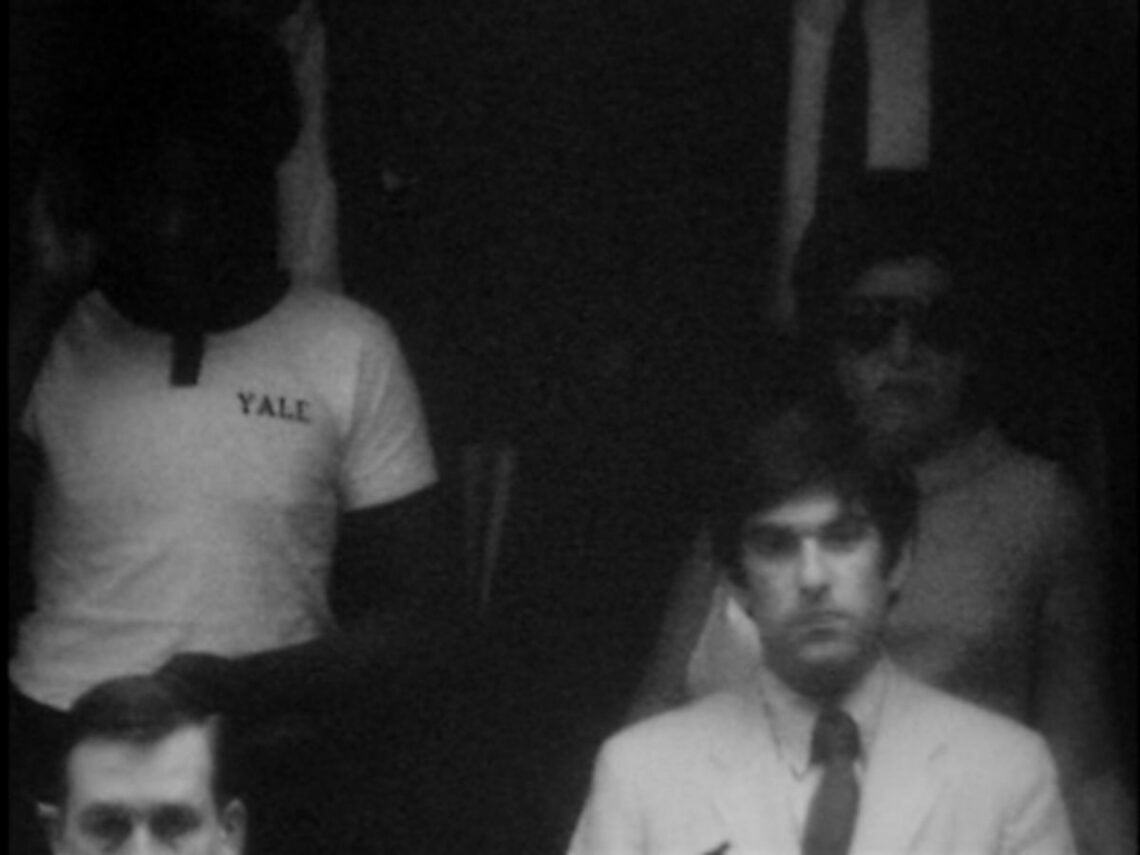
Although there are many impressive aspects of Lawder’s life and career, Necrology will always be counted among his most interesting achievements. On one particular evening in 1969, Lawder captured the lifeless faces of the masses descending from their respective hells on the escalators of the Pan Am building. Presented in reverse, the visual narrative paints a striking portrait of contemporary middle-class American society as the almost-faceless individuals fade in and out of existence.
When viewed within the context of the Vietnam War, Necrology stands out as a scathing indictment of the country’s morally corrupt sociopolitical landscape and its disastrous global policies. However, it beautifully transcends its serious contextual frameworks by managing to pull off one of the most memorable pranks in film history. In what is now regarded by many as the greatest end credits scene of all time, Lawder cites each and every faceless walking corpse through hilarious credits like “Assassin Assistant No. 2” and “Man Whose Wife Doesn’t Understand Him”.
Check out the film below.
