


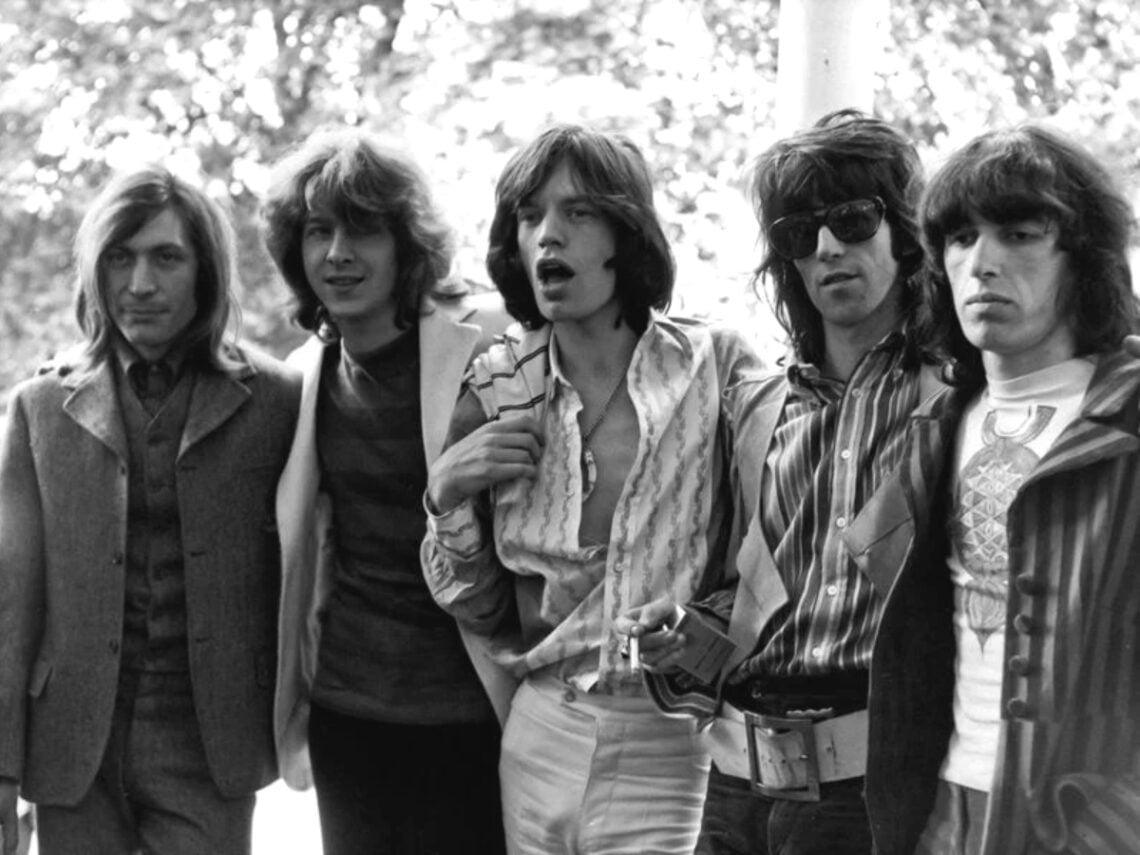
Which songs by The Rolling Stones were inspired by the Vietnam war?

Although the Vietnam war occurred before the birth of social media doom-scrolling and 24-hour rolling news, it was still impossible to ignore. While the situation was more intense in America, anti-war protests still took place in London, and the youth united in rebellion over the happenings in Vietnam. One of those enraged by the state of affairs was The Rolling Stones frontman Mick Jagger, who fought back with his pen.
Jagger has never been a particularly political songwriter, and usually, he stays clear of providing his thoughts on current affairs. For example, when Sky News asked for his stance ahead of the Brexit referendum in 2016, Jagger diplomatically said: “To me personally, I don’t think [the result] is going to make a huge difference. I think to the country in the short term [leaving the EU] will be detrimental. In the longer term, in a 20-year term, it might turn out to be beneficial”.
However, occasionally, Jagger feels compelled to speak up against injustice, and the Vietnam war was the first prominent example of the Stones’ frontman finding his political voice. He couldn’t sit on the sidelines and stay silent while innocent people lost their lives, including American soldiers.
Jagger’s eyes were opened up to the atrocities of the war when he stumbled upon a demonstration in Grosvenor Square. Over 200 protestors were hospitalised, and a further 246 were arrested, which inspired him to write ‘Street Fighting Man’. He told Rolling Stone in 1995: “It was a very strange time in France. But not only in France but also in America because of the Vietnam War and these endless disruptions. Even though I was living in America only part time, I was influenced. All those images were on television. Plus, the spill out onto campuses.”
The theme from the Beggars Banquet track continued on their next album, Let It Bleed. In the same interview, Jagger was probed about the bleakness of ‘Midnight Rambler’, ‘Love in Vain’, and ‘You Can’t Always Get What You Want’, which he revealed was influenced by the occurrences in Vietnam. The singer reflected on the period: “Well, it’s a very rough, very violent era. The Vietnam War. Violence on the screens, pillage and burning. And Vietnam was not war as we knew it in the conventional sense. The thing about Vietnam was that it wasn’t like World War II, and it wasn’t like Korea, and it wasn’t like the Gulf War. It was a real nasty war, and people didn’t like it.”
Jagger continued: “People objected, and people didn’t want to fight it. The people that were there weren’t doing well. There were these things used that were always used before, but no one knew about them – like napalm.”
Even though The Rolling Stones’ intervention didn’t stop the Vietnam War, the tracks have historical importance. The anger-fuelled collection of songs represents the way millions felt during this hostile time in history and how their voice was crushingly ignored by those in power.
