


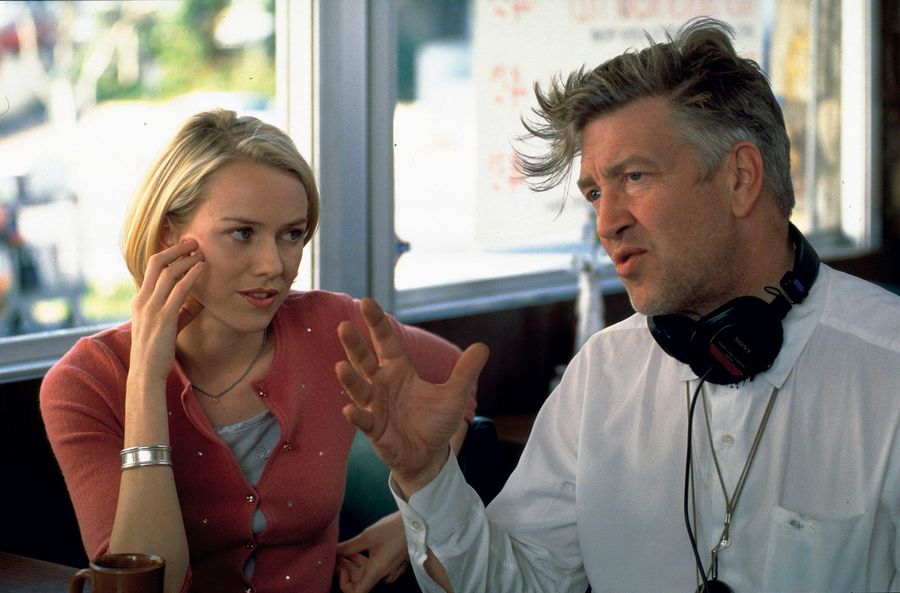
Revisiting Naomi Watts’ show-stopping dual role performance in ‘Mulholland Drive’

David Lynch has a fair share of masterpieces under his belt, and Mulholland Drive is no exception. Released in 2001, Lynch was firmly established as a surrealist genius by this point, with over 30 years of filmmaking experience behind him. But no one was prepared for Mulholland Drive, which has confused fans and critics alike ever since.
Just over a decade prior, Lynch debuted his mystery drama series Twin Peaks, which gained a cult following, spawning a prequel film entitled Twin Peaks: Fire Walk With Me in 1992 and a 2017 revival series. Due to the success of the show, Lynch proposed the idea for another show, Mulholland Drive, to ABC. Despite the initial go-ahead, the series was ditched over disagreements on running time and content. Instead, Lynch turned his pilot episode into a film using funding from Studio Canal.
The result was Mulholland Drive, a two-and-a-half-hour surreal, non-linear tale of the dark side of Hollywood, starring Naomi Watts and Laura Harring. Lynch has refused to comment on the meaning behind the film, instead, he believes, as Watts explained on his behalf: “We don’t all have to have the same understanding,” he said. “Different things appeal to different people at different times, and it’s not all logical… but if it’s real and true, you can link up and connect.”
Despite all of the uncertainty that surrounds the film’s plot – which, at its core, explores the contrast between truth and fantasy – one thing is undebatable, Watts’ incredible performance in the dual role of Betty/Diane steals the spotlight.
In the opening scene, we are introduced to Betty, where the image of a grinning Watts quickly overlays a jitterbug dance, washed in bright lights. This cuts to the image of crumpled bed sheets, signalling from the very beginning that what we are about to witness is fantasy. Soon, we see Betty arrive in Los Angeles, the land of hopes and dreams, and her demeanour couldn’t be more naively ambitious if she tried. Speaking in cliches, the audiences’ suspicions are immediately aroused as Watts delivers her lines with perfect uncanniness.
Contrasted by the sultry Hollywood vixen archetype depicted through Harring’s Rita, Betty is all wide-eyed and peppy, unaware of the harsh realities of the Hollywood industry that is more often cruel than kind. Although audiences might see Betty as one-dimensional for a start, this was an acting choice made with precision by Watts. As Betty and Rita connect after the latter requires help to remember her identity due to a near-fatal car accident, Watts’ performance becomes even more layered.
Betty prepares for an audition with Rita, rehashing the lines rather generically, adding little flair or experimentation to the role. Yet once we see Betty at her audition, it becomes apparent that she is a spectacular actor, one that is bound to be snapped up by casting directors all over Hollywood. This emphasises the theme of deception that runs throughout the film. Betty deceives us as much as she has been deceiving herself, and Watts’ intense and sexually charged performance in the audition scene reminds audiences to question the authenticity of every character and event in the film.
Now we know that the innocuously innocent Betty has it in her to deliver a powerful performance, what else is she actually capable of? As the film progresses, it is revealed that there is another version of Betty – one that exists in reality – Diane. Depressed and unkempt, this version of Betty is not one we are familiar with. Watts transforms into an entirely different character, a jealous and unsuccessful actress who has had a failed affair with Rita, or as she is known in the real world – Camilla.
We see a seething Diane watch on as Camilla and director Adam attempt to make an important announcement at a dinner party before learning that Camilla has hired a hitman to kill Diane out of jealousy and anger. What we have witnessed throughout the film is a guilt-ridden, symbol-laden dream full of Diane’s repressed emotions, fears, and desires. The way that Watts moves from the energetic and child-like Betty to the suicidal and frustrated Diane is mesmerizing, and the act of Watts playing both characters becomes a meta-commentary on the volatile nature of the film industry.
Mulholland Drive remains not only one of Lynch’s greatest works but also Watts’ best performance to date. She has since gone on to star in such films as Birdman and Funny Games, as well as making an appearance in Twins Peaks: The Return, however, her role as Betty/Diane remains her most accomplished. Her ability to embody the uncanniness and mystery that prevails over the entirety of the film is a hugely impressive feat, and it is hard to picture another actor giving such a magnetic and masterful performance as both Betty and Diane.
