


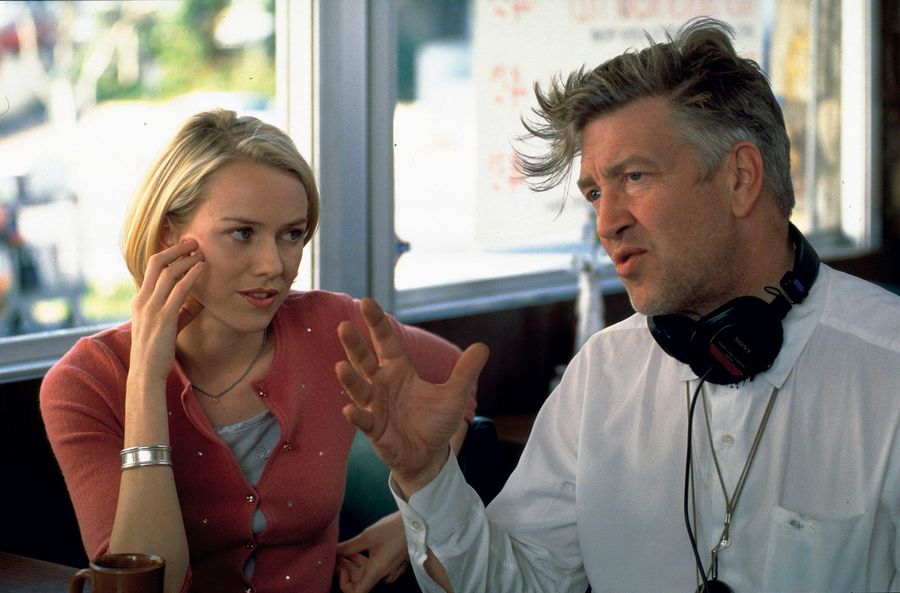
Watch David Lynch and Naomi Watts discuss ‘Mulholland Drive’

David Lynch has become synonymous with cinematic surrealism due to the impact of his masterpieces, such as Eraserhead and Inland Empire. While Lynch has made all kinds of projects over the years, many fans maintain that the 2001 neo-noir gem Mulholland Drive is the most polished surreal nightmare ever created by Lynch.
Named after Hollywood Hills’ iconic winding road, Mulholland Drive stars Naomi Watts as an aspiring actress who travels to Los Angeles to pursue her dreams. However, her life’s journey becomes darker and more convoluted after she meets a mysterious woman who suffers from amnesia. It’s undoubtedly among the greatest Hollywood films ever made, alongside others such as Billy Wilder’s Sunset Boulevard.
“I love L.A. so much,” Lynch explained in an interview for the Blu-Ray released by Criterion. “I love the light. In L.A., Mulholland Drive is a famous road, and there’s much much much mood. There’s so many stories about that road. It’s a very dreamy thing to think about. You know, the old story, so many people come here to try to realise their dreams.”
For Watts, Mulholland Drive meant something else because she knew what it was like to be a struggling artist in Hollywood. For years, she had survived by taking bit parts on mediocre projects, but Mulholland Drive changed everything. After the release of the film and the widespread critical acclaim, Watts became a bonafide global icon.
In the interview recorded for the Criterion edition of the film, Watts revealed that she had never been taken seriously by filmmakers. Although she had struggled to figure out who she was as an artist, she finally found herself after talking to Lynch, who immediately connected with her and recognised her potential.
Like most of Lynch’s work, Mulholland Drive resists strict categorisations and interpretations. It is a Hollywood fever dream, an ominous vision concocted by a formidable visionary. Watching the film is a unique experience as it operates in your subconscious, guiding you toward something hidden deep inside you.
While talking about the film’s multiplicity of meanings, Watts said: “His theory is that we don’t all have to have the same understanding. Different things appeal to different people at different times, and it’s not all logical… but if it’s real and true, you can link up and connect.”
Watch the full interview below.
