


The mystery of Johannes Vermeer’s missing artworks

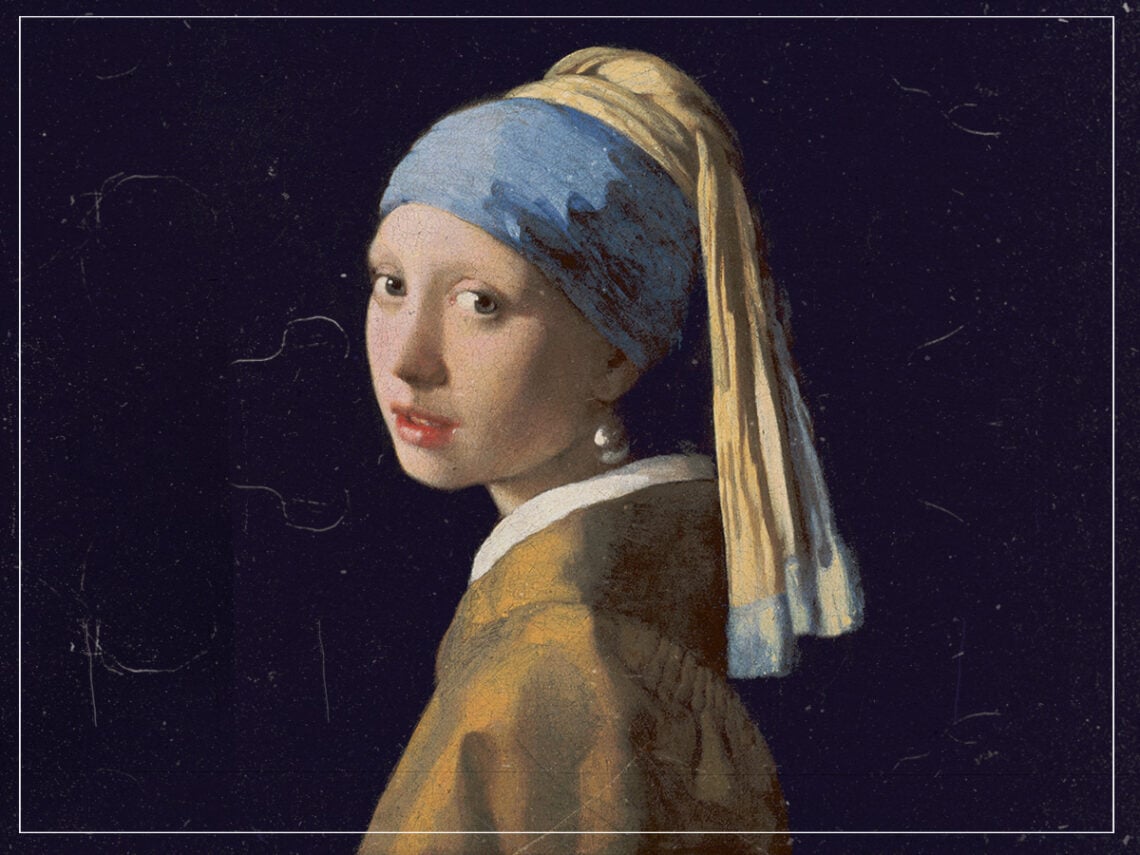
The magnum opus of Johannes Vermeer, Girl with a Pearl Earring, is shrouded in mystery, an increasingly familiar pattern for works by the Dutch Golden Age painter. For starters, art historians have never identified the woman, and its title changed depending on what country or century it was. Although it is considered one of the most recognisable paintings ever created, very little is known about the artist responsible. He died in debt but often used unnecessarily expensive pigments. Most of his paintings were set in two rooms in his house – and that’s not counting the missing ones.
In his lifetime, Vermeer painted in relative obscurity. In Arnold Houbraken’s major writings on 17th-century Dutch painting, he barely got a look in, which meant for two centuries afterwards, his work fizzled into the unknown. But in the mid-19th century, two art historians, Théophile Thoré-Bürger and Gustav Friedrich Waagen, published a retrospective essay on 66 of his works. The only slight snag is that only 34 have ever been properly attributed to him.
Vermeer made the bulk of his income from art dealing, which makes it more puzzling that he only ever signed three, significantly complicating the task of evaluating his work. It’s thought he never created more than 50 works, but around 16 are missing. The usual move here would be for art historians to trace who the artist apprenticed under to see his style’s development in the hopes of more accurately gauging what paintings could be his.
But it’s never been known where or ever under whom Vermeer apprenticed. It’s easier to trace who was directly inspired by his work, the likes of Gabriel Metsu and Pieter de Hooch, than who inspired his style in the first place. Identifying potentially missing paintings is essentially a nightmare for all involved. Given there are scarce details about his personal life, the best historians can do interpretive analysis based on times, locations, and techniques, which is equally tricky because Vermeer left behind no initial sketches of his painted works.
That said, six (although reports vary, and sometimes it’s ten) Vermeer paintings have been identified by historical records that either didn’t survive or have been hidden entirely. These are considered the “missing Vermeers”. Despite the frustrating element of mystery when identifying what’s left of the entire collection, Jon Boone wrote, “Such speculation is a joyful part of Vermeer studies”.
But he added that speculation, no matter how historically precise, has no real explanatory power because the historical record “firmly indicates there are six Vermeer paintings for which modern attribution cannot account”. All Vermeer fans can hope is that one day, new information will come to light and bulk out his incredibly small body of work.
