


The musicians who made Steely Dan sound like no one else: “Most pop music, nothing much happens”

Despite their incessant performance of the hokey cokey with the fashionable side of music, one thing that cannot be denied is Steely Dan‘s impressive command of their instruments.
The duo of Donald Fagen and Walter Becker may be constantly fighting a ebb and flow of appreciation from the musical world, with the band arguably one of the most polarising groups in the history of rock and roll, but they know what they’re doing in the studio.
It makes sense, too. When you go looking for the influences of most preeminent rock musicians from the 1970s, the vast majority will have put their faith in the explosive moment The Beatles set foot on American soil or the mind-bending alternate realities created by Pink Floyd, the sultry cool of The Doors or the bombastic, hip-shaking joie de vie of The Rolling Stones. However, for Donald Fagen at least, the real pillars of his musicianship could be found in jazz.
Jazz would become a unique vein through which the lifeblood of Steely Dan would pump. The powerhouse performers who made the genre as vital as the haemoglobin-laden liquid would become a foundational set of sounds upon which Fagen and Steely Dan would build an empire of sonic dominance. There’s nobody quite like Steely Dan, and that’s all because of jazz and Donald Fagen.
Of course, he isn’t the only musician of the time to find their musical roots nestled in the bedrock of the most movable genre ever created. Pink Floyd’s own Rick Wright almost exclusively listened to the off-beat tunes of the 1950s and ’60s jazz musicians, and so too did The Rolling Stones sticks-man, Charlie Watts. However, it feels all the more pertinent coming from Fagen.

The guitar band that changed the direction of rock and roll with a string of prog-infused songs such as ‘Peg’, ‘Kid Charlemagne’ and ‘Deacon Blues’ — all three created while punk began to catch fire on both sides of the Atlantic. As music seemed to be getting simpler in retaliation to the classic rock MO of noodling guitar solos and forgettable pastiche in the pursuit of pure, artistic expression, Steely Dan were revolting against the rebellion.
Fagen was honest about the jazz musicians who had affected his work when he sat down with New York magazine in 2006, sharing: “I basically listen to the same 40 albums that I listened to in high school, near Princeton. I had much better taste then. I was a kid jazz fan. I only like seven or eight of the greatest artists: Sonny Rollins, Charles Mingus, Miles Davis, Thelonious Monk … And I like big-band arrangers, like Gil Evans. There’s a band called the Sauter-Finegan Orchestra that I used to like for the arrangements.”

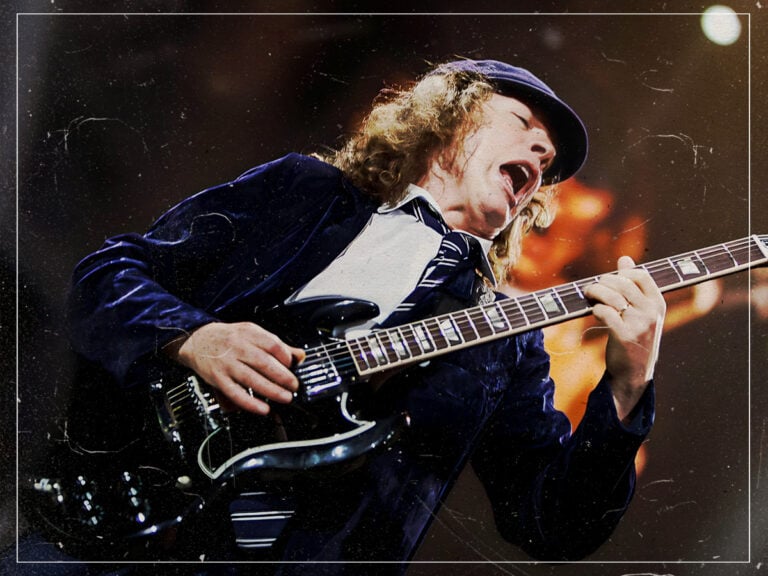
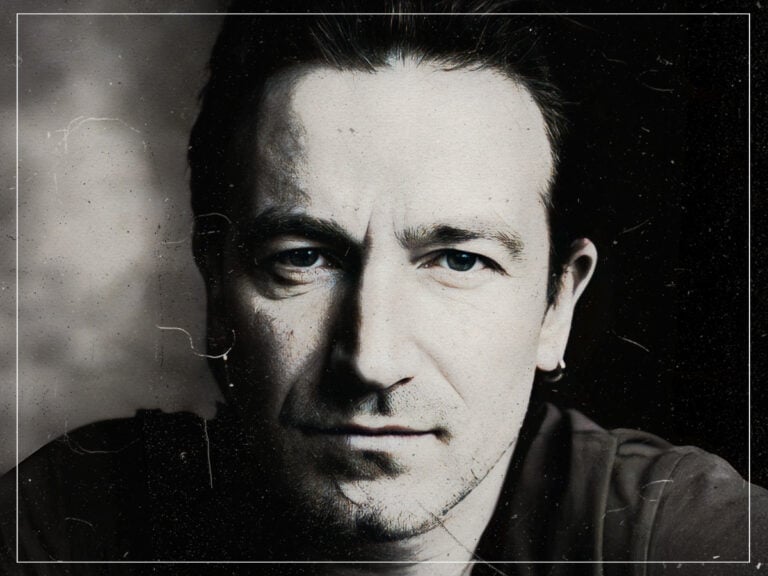
The artists would directly affect Fagen’s writing of pop songs, too: “Most pop music, nothing much happens; you’ll hear something, and it’s repeated. I like when there’s some development. The jazz arrangers of the ’50s and ’60s really knew how to develop a piece of music.”
For many, the names mentioned above will be as notable as John Lennon, Bob Dylan, and the latest pop stars. For others, they will read simply as a list of obscure promises of greatness. Below is a playlist that should make good on those faint covenants. Starting with the mercurial Sonny Rollins is always a great place to start. Born in 1930, the jazz saxophonist has enjoyed a seven-decade career which includes 60 albums and some of the most notable jazz compositions of the 20th century. Pieces such as ‘St Thomas’, ‘Airegin’ and ‘Doxy’ have all become standards.
If you were to ask for the ultimate jazz musician’s jazz musician, Charles Mingus would likely enter every conversation you started. Born in 1922 and with a three-decade career before he died in 1979, Mingus’ talent far outshone his abilities as a bassist and pianist, and he is most notable for his impressive collaborations. A pioneer of collective improvisation, Mingus worked with Duke Ellington, Louis Armstrong and Dizzy Gillespie, among a ream of other iconic names.
Perhaps the most famous name on Fagen’s list is the mercurial Miles Davis. One of the most beloved jazz musicians of all time, rock musicians have routinely cited Davis as a gigantic influence on their work. His aptitude for pushing the envelope creatively connected him with the rock and roll spirit that emerged in the 1960s and beyond. Dropping out of Julliard to gig with Charlie Parker, Davis’ Birth of Cool is considered one of the greatest albums ever made.
‘Round Midnight’, ‘In Walked Bud’ and ‘Blue Monk’ are just three of the compositions Thelonious Monk added to the set of jazz standards. Born in 1917, the pianist exuded a suave demeanour that drew him close to his fans’ hearts. Unlike other musicians, Monk rarely took himself too seriously, often wearing hats, shades and suits while performing and even stopping his shows to have a little boogie himself mid-set.
The final two names on Fagen’s list are a little less known. Gil Evans’ role as one of the pioneers of jazz definition should not be underestimated. The Canadian was instrumental as a bandleader in developing the sub-genres of cool jazz, modal jazz, free jazz and jazz fusion. Equally, Sauter-Finegan Orchestra are a little-known swing band who found their fame in the 1950s with songs such as ‘Doodletwon Ffers’ and more. Led by Julliard-trained Eddie Sauter and Bill Finnegan, the group were known for their inventiveness.
While a brief introduction to some of the pivotal figures in Steely Dan maestro Donald Fagen’s, life is all well and good, the best way of understanding how these musicians may have changed the young Fagen’s musical panache is to listen to their music. Below, we have a perfect playlist comprised of their most enigmatic compositions.
Steely Dan and Donald Fagen’s greatest influences:
- Sonny Rollins
- Miles Davis
- Thelonious Monk
- Charles Mingus
- Gil Evans
- Sauter-Finegan Orchestra
