


The murder capital, mythical 1970s, and Alice Cooper’s musical soul mate

Only a city like Detroit could unleash a glam rock force like the Alice Cooper band.
Despite their frontman being born in Michigan’s Motor City, jumping between Phoenix, Arizona, as teens behind The Spiders’ fuzzy beat, to a later decamp to sunny Los Angeles to find fame, all proved essential chapters of Alice Cooper’s evolution to the hard rock vaudeville that would cement their shock rock stature.
Once the psychedelic struggle was shaken off from their first two albums, 1971’s Love It to Death would owe all its warlock theatre to the burning garage scene they thrust themselves in the centre of.
They couldn’t have been in better company. Scoring the city’s proto-punk burnish was the likes of The Stooges and MC5 quashing the day’s hippy residue with their turbo-charged ferality, Meat Loaf’s theatrical gusto taking the stage at the Grande Ballroom with near residency regularity, and George Clinton corralling P-Funk’s psychoactive grit with lysergic arrest. It was a heady plume of sounds to be lost in, the potent counter to Woodstock’s peace and love curdling, paving the way for the new wave’s insurgent spirit set to explode at the 1970s’ end.
Stardom would greet Cooper once the hard rock horror vaudeville was honed, overseeing a golden run of glam LPs that gave the UK’s glitter cohort a run for their money, 1973’s Billion Dollar Babies topping the album charts on both sides of the Atlantic. While rubbing shoulders with everybody from Elvis Presley to Jim Morrison, one figure from the rock and roll business stood apart from the rest as a kindred spirit to exactly the kind of outlaw gang Cooper was keenly captaining in their glam heyday.
“When I first met him back in the ‘70s, I liked him immediately,” Cooper reflected to Classic Rock in 2022. “He was a tough motorcycle type. If he’d been born in America, he would’ve come from Detroit. Back then, Detroit was the murder capital of the United States; there was no such thing as a nice neighbourhood. It was really rough. But it’s where I started to make a name for myself. Lemmy would’ve fit right in there.”
Just like Cooper, Ian ‘Lemmy’ Kilmister too had travelled a long road before founding the Motörhead juggernaut, playing the small clubs of Northern England with The Rockin’ Vickers before joining Jimi Hendrix’s road crew and a slew of London psychedelic bands and landing an essential bass gig with space rock psychonauts Hawkwind across their classic Space Ritual era.

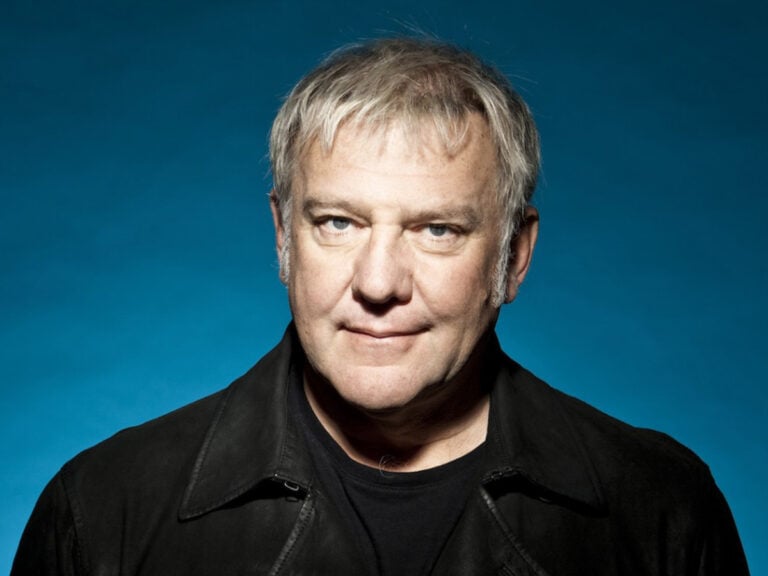
Always harbouring a taste for speed over LSD as well as a veneration for rock and roll at its most elemental, Motörhead would echo Cooper’s outlier place in the rock world, half orbiting the incipient new wave of British heavy metal while in punk’s reaching distance, just as ‘Coop’ dwelled in the glam world but spiked with a dose of beckoning danger over the era’s escapist glitz. While born in Stoke-on-Trent, Lemmy’s steely and electric rock energy crackled with all the spirit that ignited Detroit’s feral garage rock zenith.
It’d be no surprise that the two got on like a house on fire. Mutual veterans of the hard rock trenches and cut from the same 1960s rock and pop cloth, they were known to drink together at Sunset Blvd’s famous Rainbow Bar & Grill, and Cooper reportedly even suggested the Motörhead frontman would have been invited to his Hollywood Vampires supergroup if still alive. “We were hard rockers, y’know?” Cooper concluded. “Our lineage was The Yardbirds and The Who. That was where we came from.”
