


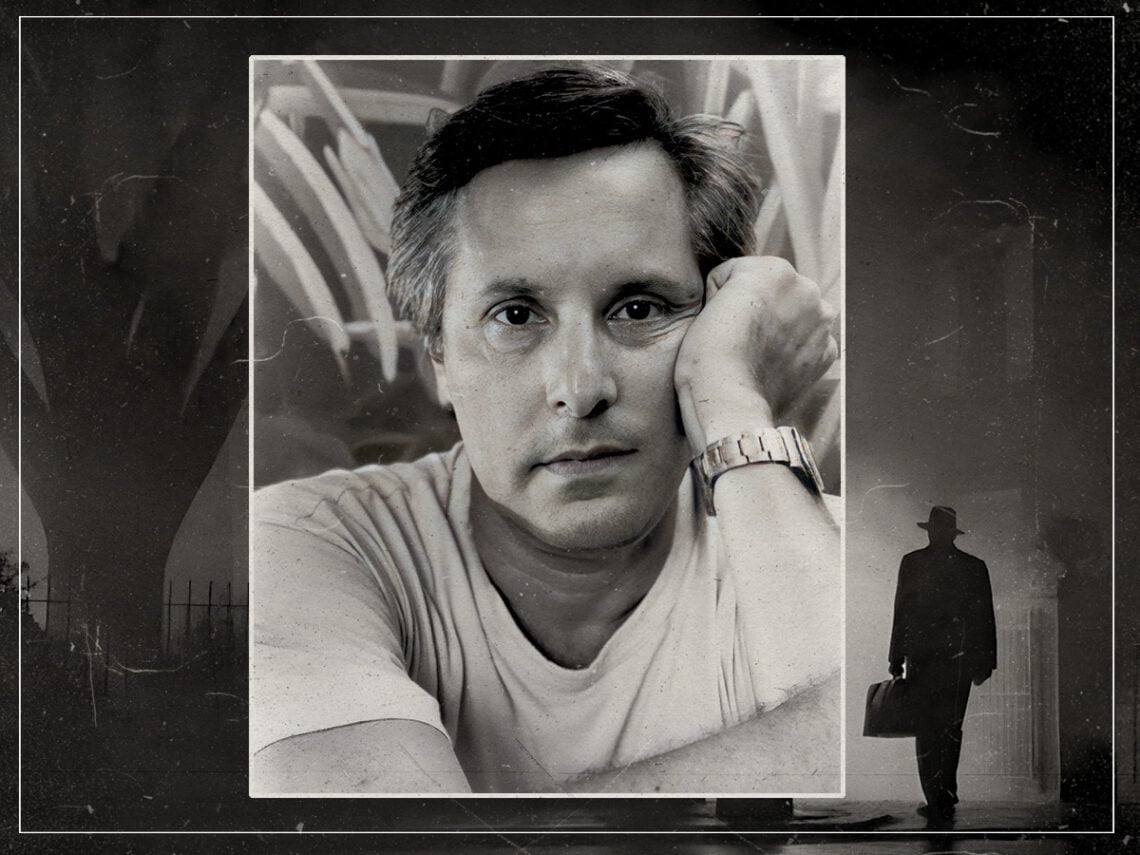
The movies William Friedkin called the backbone of American cinema

William Friedkin was about as controversial as it gets in Hollywood, which is hard to do when you’re fighting against the controversies made by the likes of Michael Cimino, Peter Bogdanovich and Francis Coppola, but alas, it was the 1970s.
From slapping a priest in the face to “get him in the mood” for a scene to shooting guns and playing the Psycho soundtrack on set to scare actors to rebuilding an entire set just so he could get a dolly shot of some bacon frying in the pan (that was later not even used in the final cut of the film), Friedkin earned the reputation of being one of the most terrifyingly passionate directors to come from this era of Hollywood.
With an impressive canvas of work that ranges from the likes of The Exorcist, The French Connection and Bug, he seems to have done it all. He was known for finding talent in unlikely places and crafting performances that feel dangerous and unpredictable, with a commitment to authenticity that even led him to cruise around Manhattan in a jockstrap in order to research his 1980 film Cruising. However, despite being a pioneer and a huge part of one of the most notorious movements in cinema, Friedkin had spoken about his regret at not being part of another Hollywood era. Given the nature of his work, it’s difficult to picture him being a part of it.
While films like Singin’ in the Rain, Notorious and Casablanca are adored by audiences all over the world, when you think of Friedkin, your mind doesn’t exactly jump to joyous musicals, heartfelt romances, and technicolour dream worlds. You think of grunge, darkness and borderline inappropriate levels of depravity. However, Friedkin stated in an interview that these are the films he loves and respects the most, saying, “For me, the golden era of film is the ’40s and ’50s. MGM musicals are the backbone of American movies. Nothing made in the Seventies, with the exception of the Godfather films, compares to what they did in the ’40s. There’s no All About Eve, Citizen Kane or The Treasure of the Sierra Madre”.
It’s hard to imagine a director known for his explosions of anger and rage sitting down and enjoying a heart-warming film about tap dancers and swoon-worthy love affairs, but apparently, this was Friedkin’s cup of tea. Even more surprisingly, Friedkin expressed his jealousy towards these directors for the size of their filmography, which, given the volume of the work he produced, is, again, hard to imagine. Having directed over 35 films, what more could he have wanted?
But Friedkin was a true cinephile, and it seems as if even the infamy of his own work wasn’t enough to sustain this appetite. Friedkin stated: “If I have any regrets, it’s that I didn’t come up in the studio system where a director could do three to four films a year. Like Michael Curtiz. Some were good, some were bad, one or two were masterpieces like Casablanca. I haven’t made 20 films in 50 years. And it’s not like I took time off, either.”
For those who love it, the work will never be enough—the constant act of self-improvement and creative discovery is what sustains directors like Friedkin. It isn’t enough just to be a household name and create some of the most controversial and talked-about films of all time. It goes to show that even some of the greats are never satisfied by their own legacy and that it matters more to be doing it all the time.
