


Five overly ambitious movies that tried and failed to change cinema forever

Sometimes, you watch a film and it becomes blatantly obvious that the filmmaker was trying a little too hard to do something groundbreaking.
Authenticity is the key to success, but some movies just miss the mark, with profit or ego clearly overriding the system – you can see straight through the director’s hopes that we’ll crown their film the latest masterpiece. Well, often they succeed in being labelled a genius, like when Todd Phillips released Joker to much popular acclaim in 2019.
Yet, on further inspection, these films, like Joker, were too ambitious in their scope, trying to do something that inevitably didn’t work. ‘How did Joker fail?’, you might ask. While it received plenty of money at the box office and lots of award show buzz, the movie clearly tried to change the superhero genre, and it just didn’t. The Marvel Cinematic Universe is still just as popular than ever, despite it being the cinematic equivalent of a drive-thru meal.
So, from the potential of interactive cinema courtesy of Black Mirror: Bandersnatch to the capitalistic greed of Barbie, here are five movies that tried to change cinema, but have not had the desired effect.
Five ambitious movies that tried and failed to change cinema:
Heaven’s Gate (Michael Cimino, 1980)

Following the success of The Deer Hunter, director Michael Cimino decided to make the epic western Heaven’s Gate, which quickly went way over budget.
The director had big, ambitious plans for the film, and he had no doubt that it would become a huge hit. Sadly, this wasn’t the case. At all. After the budget rapidly increased to a sizable $44million, the film was released to a box-office gross of just $3.5m. Were Cimino’s visions misunderstood? Or did he just make a bad film?
These days, the film is talked about with much more positivity, but one thing is for certain – Heaven’s Gate had ambitious plans to change Hollywood, and it definitely didn’t. All it did was bankrupt United Artists and ruin Cimino’s career. So in a way, it did change cinema, but definitely for the worse.
Black Mirror: Bandersnatch (David Slade, 2018)
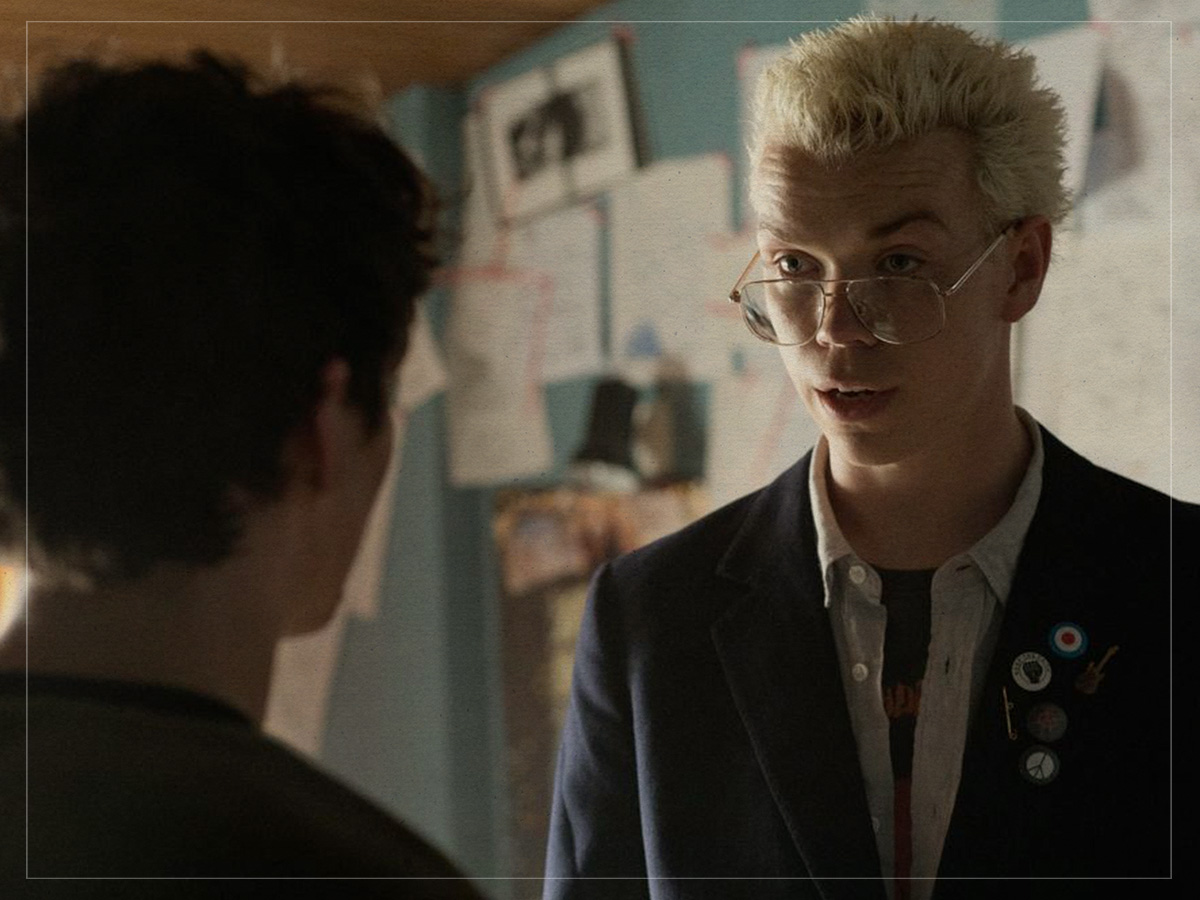
Most of us can say we have been hooked on Black Mirror at some point, but consistency certainly isn’t the show’s strong point (which is why Inside No 9 will always be the superior anthology series).
Still, you can’t blame Black Mirror for its ambitiousness, because sometimes the show pulls it outof the bag, delivering innovative ideas that truly take you by surprise.
Thus, when an interactive film was introduced on Netflix as part of the series Bandersnatch, it seemed as though Black Mirror thought it was going to innovate the concept of watching movies via streaming. Unfortunately, the concept of picking characters’ fates was a gimmick that wore off quickly, and it just became frustrating not knowing how much of a better resolution you could’ve ended up with. The idea didn’t take off at all, and we can safely say that this was for the best.
Joker (Todd Phillips, 2019)
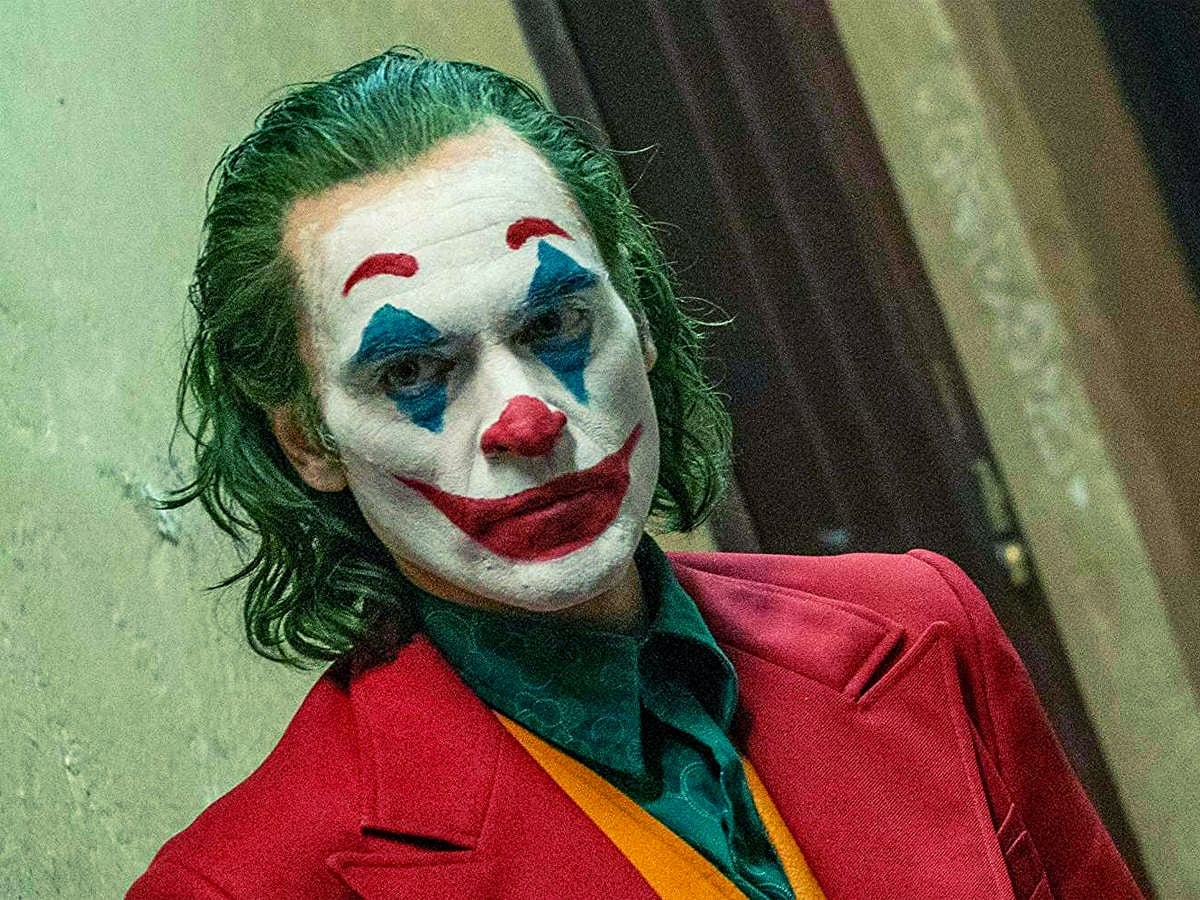
So, you think superhero hero movies are for kids and adults who still live in their parents’ spare room, wiping sauce from their mouths as they log onto Reddit, their grease-covered fingers coating the keyboard in an illuminating glow as they type out their opinions on the latest instalment in the MCU? Then why not try Todd Phillips’ Joker? That seemed to be what the movie wanted us to believe, anyway – this was a superhero movie for smart people, specifically smart men, who are just so misunderstood.
This was Taxi Driver meets The Dark Knight, The King of Comedy meets Charlie Chaplin. Joker was marketed as superhero cinema for the film lover with slightly more high-brow tastes than Avengers: Age of Ultron. Unfortunately, Joker wasn’t as good as it hoped to be, and it certainly hasn’t changed cinema. Superhero movies are still just as shit now as they were before.
Barbie (Greta Gerwig, 2023)
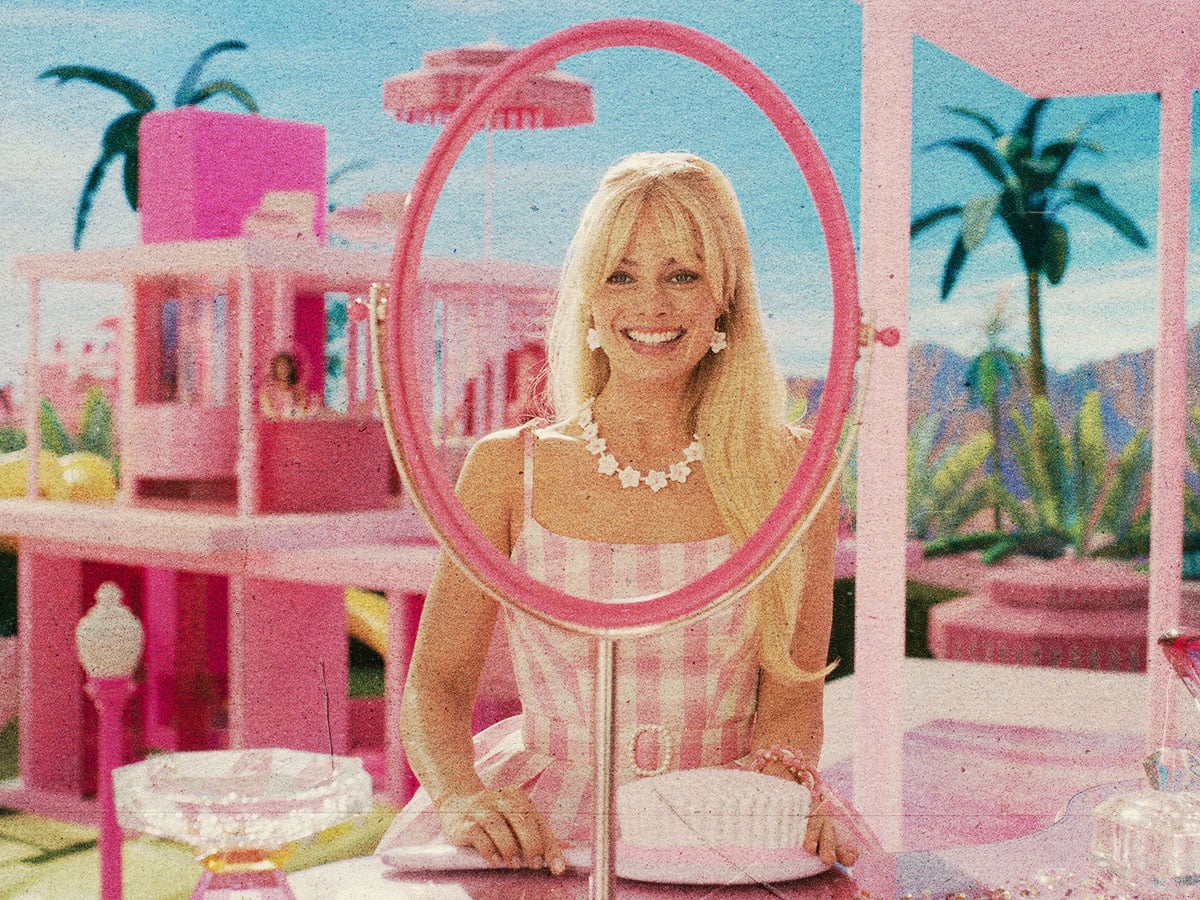
I must admit, when Barbie was announced, I was intrigued.
As a fan of Greta Gerwig’s Lady Bird and someone who grew up with a particular love for dolls, I was excited to see how the film would bring the toy to life, and whether it would say anything meaningful about feminism. Sadly, it didn’t.
Barbie was certainly ambitious, with its expansive cast and impressive set design that truly immersed you in another perfect world, but what it achieved was just a display of capitalistic gluttony. Every tie-in merchandising you could think of was being flogged to us, and feminism was served on a sanitised, unseasoned platter.
So, what did Barbie try to achieve? Gerwig’s film seemed keen on ushering in a new wave of IP movies that could easily slide in some palatable message about a social theme – in this case, feminism – and with movies based on brands like Polly Pocket and Sims now set for creation, it seems like Gerwig has succeeded. But at what cost? Because this isn’t going to change cinema for the better – this is going to destroy it.
Everything Everywhere All At Once (Daniel Kwan and Daniel Scheinert, 2022)
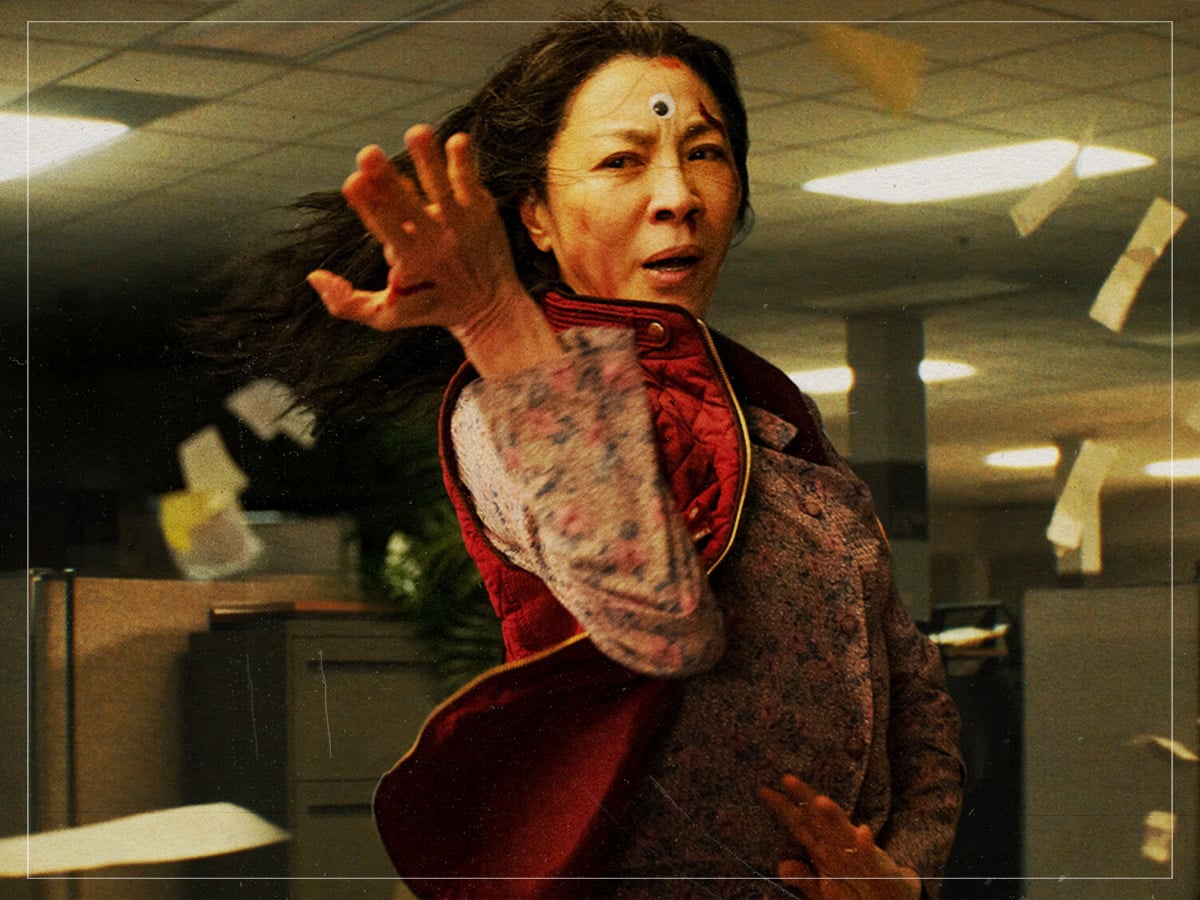
Don’t even get me started on this one. You couldn’t escape Everything Everywhere All At Once when it was released in 2022, and suddenly, the most casual of film fans were acting like they’d just witnessed the second coming of a cinematic Christ. No film needs to depict people spawning hot dogs for fingers. It’s just fucking stupid. The film even tarnishes the beauty of 2001: A Space Odyssey’s opening sequence by putting sausage fingers on the apes.
EEAAO thought it was doing something groundbreaking and new with its multiverse concept, but instead, it’s just a mess of undercooked and pretentious ideas. Directed by Daniel Kwan and Daniel Scheinert, the film is the equivalent of cooking spaghetti in some shit-infused sauce and then throwing it at the wall and hoping it sticks.
