


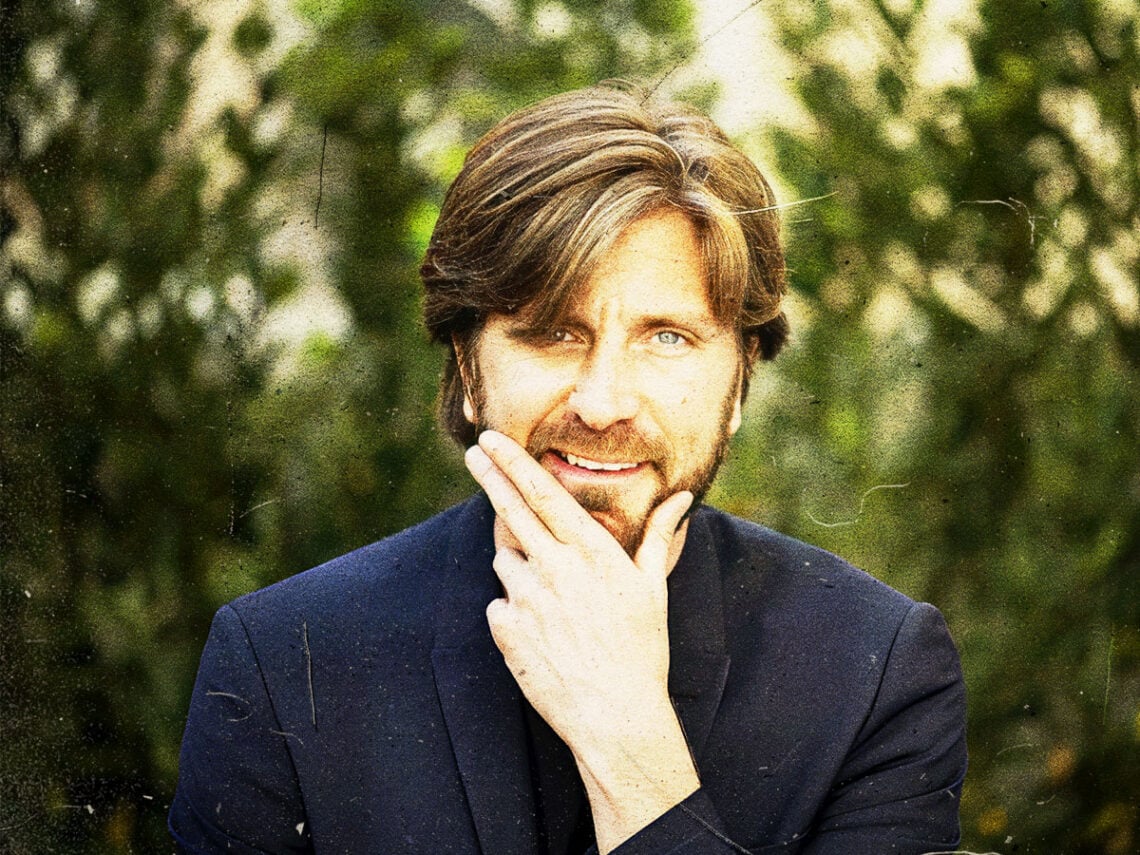
‘Force Majeure’: the movie that perfected Ruben Östlund’s style

After the release of Triangle of Sadness, Ruben Östlund has shown himself to be the daredevil of dark comedies, with a slate of films that elevate the problems of modern society to monumentally perverse levels. Through his satirical gaze, Östlund’s movies unpack the class divide and wealth gap, patriarchy and gender norms, but always maintain a fine balance between disdain and compassion as he pushes his characters to their absolute limits.
His most recent effort, Triangle of Sadness, which was released in 2022, pulled us from the dizzying heights of privilege and high society to the world below deck, with a perfect ensemble cast that I can never look at in the same way again after one particular scene involving a pearl necklace, bottle of champagne and explosive diarrhoea. The film was met with critical acclaim, winning Östlund the Palme d’Or for the second time and multiple Oscar nominations for his explosive satire of elitism.
But despite my thorough enjoyment of this film (and in particular, the infamous toilet battle), there is one of his films that sticks out to me. It is Force Majeure, which established the style in Triangle of Sadness and elevated it to a new height.
No stranger to a challenging shoot location, Force Majeure takes place in a remote ski resort in the middle of the French Alps. The film opens with a simple image: that of a photographer crouched on a mountain taking a picture of a controlled avalanche. It’s an image that later relays the key message of the film: the idea of natural and unnatural disasters and the many problems we create for ourselves through the gender expectations that dominate our world.
The film is about a picture-perfect family, and I mean perfect. He is a high-flying something or other, and so is she. They all wear matching blue pyjamas and sleep in the same bed. The image of domestic bliss. But at the beginning of their holiday, while having lunch surrounded by the stoic beauty of the nearby mountains, a controlled (or so they think) avalanche starts tumbling towards them. Tomas, the father, reassures them that it is fine; it is controlled. Despite objections from his wife, Ebba, they remain seated until it quickly hurtles towards them and sweeps over the restaurant. In a moment like this, there are many ways you could react, but the film’s central conflict arises when Tomas does not react how ‘a man’ should respond. He runs away, desperate to save himself, ignoring the screams of his wife and kids as they scramble to get away.

Luckily, no one is hurt, but the film’s central conflict arises from this split-second reaction – what kind of a man is Tomas? What kind of person would abandon the people they love? The ensuing drama is a masterful examination of masculinity in crisis and the controlled ways in which men allow themselves to feel, much like the (not so carefully) controlled avalanches at the ski resort. As Tomas and Ebba begin to unpack what happened that day, it throws their marriage and family into flux, bringing the private and ugly issues of their relationship out into the open, with long and painfully awkward conversations as Tomas crumbles in the wake of his mistake, completely losing his sense of self, desperate to reassert his masculine identity.
But what Östlund really masters here is his ability to be both empathetic to the hysterical and slightly pathetic nature of Tomas’ outbursts while also mocking him.
As we see Tomas bring his interior world out into the open, exposed and vulnerable as he navigates his emotional avalanche in increasingly inappropriate settings, we see a softness and fragility to him that’s usually hidden beneath the icy exterior. Östlund shows a wide shot of him breaking down on the floor of his hotel room, perhaps at a distance to preserve some of his dignity, but it also comes across as somewhat scornful: a grown man snivelling on the floor as his children desperately clutch his arms and try to cheer him up, with Ebba insisting that he’s “just a little sad” as he dry heaves and snots all over his sleeves.
In Force Majeure, Östlund ends with a full circle moment, which he carries into his later work. Tomas wasn’t allowed his moment of glory during the avalanche, with Östlund implying that in true moments of need, men are unable to think of others. But during a crisis that isn’t really a crisis, Tomas is able to resurrect his macho facade and rise to the challenge of protecting his family in a not-so-dangerous situation. Tomas embraces the opportunity of perceived threat (even if slight), and the film ends with him triumphant, carrying his child across the road. And while we’re happy that Tomas is able to rebuild his sense of self, Östlund doesn’t allow the image to end on a purely celebratory note. Tomas asks another man for a cigarette, now smoking, as he stands at the front of the crowd, finally completing his vision of the male hero, no matter how unnecessary and imaginary this threat is.
While Östlund reached notoriety for the chaos of Triangle of Sadness, for me, the peak of his work lies in the still desperation and unrest in the mountains of Force Majeure. The director creates an emotional landscape as volatile and untameable as nature itself, an odyssey through the depths of the male psyche and the hidden summits of our identities that lie beneath the surface of us all.
