


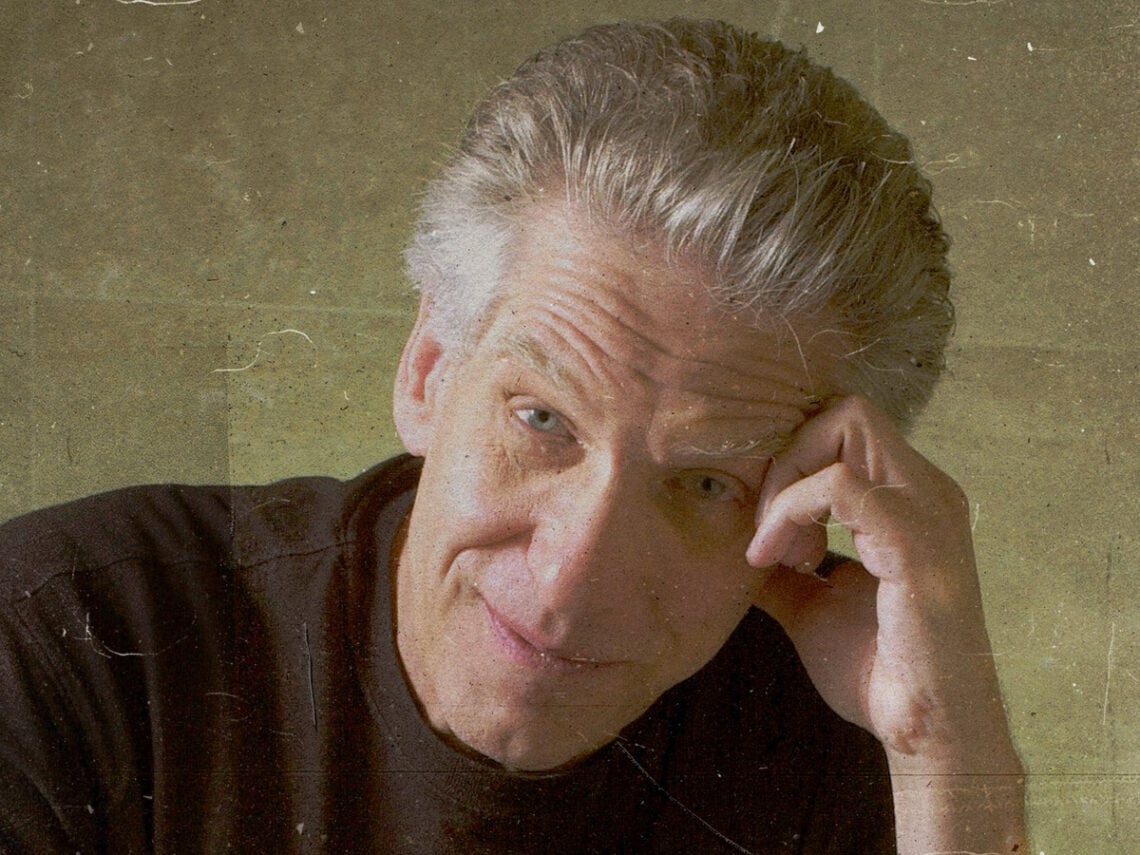
The horror movie that “paralysed and mesmerised” David Cronenberg

Given the nightmarish nature of David Cronenberg’s filmography, it’s hard to imagine him being perturbed by anything. Often nicknamed ‘The Baron of Blood’, his films always push audiences to the edge of their comfort zone, blurring the line between humans and flesh, animals and people and what is natural and unnatural, creating a generally unsettling and slightly queasy feeling. The mood created in his films is one that you can’t shake away, leaving a sour taste in your mouth and a question that lingers in your mind for days after watching his work. All of this is to say they’re not the types of films you’d want to watch on an empty stomach.
At the beginning of his career, many of Cronenberg’s initial influences were literary works, but he quickly developed a passion for cinema and became inspired by filmmakers such as Kenneth Anger, Ed Emshwiller, and the Kuchar brothers. When asked about the films that inspired him to create this particular mood, Cronenberg spoke at length about Nicholas Roeg’s harrowing horror film Don’t Look Now.
Roeg’s 1973 film Don’t Look Now is a deeply disorienting and disturbing piece of work, a story that follows a couple on holiday in Venice as they try to grieve and process the death of their child, who are followed by two mysterious sisters who send them messages from the afterlife. The film has this feverish undertone that makes you doubt your own sanity, with a jarring editing style that plays into the couple’s desperation to be reunited with their child and the way that grief can distort your world and sense of reality.
Cronenberg said of the film: “I remember walking into the theatre, and in seconds, I was completely paralyzed and mesmerised. That movie had a really strong effect on me. This bizarre anticipation, almost welcoming death—the whole movie was that but done in such an artful, offbeat, abstract way, and yet so viscerally compelling.”
Cronenberg’s definite fascination with the grey areas of life and the horror of the unknown prompts questions about that which we cannot explain, as well as the uncertainty of our own future. While Don’t Look Now and Crimes of the Future seem like two very different films, what’s interesting is that they both explore this idea of surreal and slightly fantastical situations that stem from very real and human problems.
If Don’t Look Now is a horror about the extreme lengths we’ll go to to explain the unexplainable and find peace in the aftermath of trauma, then Crimes of the Future is in many ways the exact mirror of this – a story about the extreme lengths we’ll go to to have control over and understand our bodies, and the trauma inflicted on these bodies, is life itself.
Both Roeg and Cronenberg have a knack for exploring the brutal (and sometimes grotesque) journey of certainty and control, no matter the personal cost. Ultimately, their work reminds us that none of us have power over what is natural, and sometimes, it is best to resign ourselves to this truth and to make peace with all that we cannot know.
