


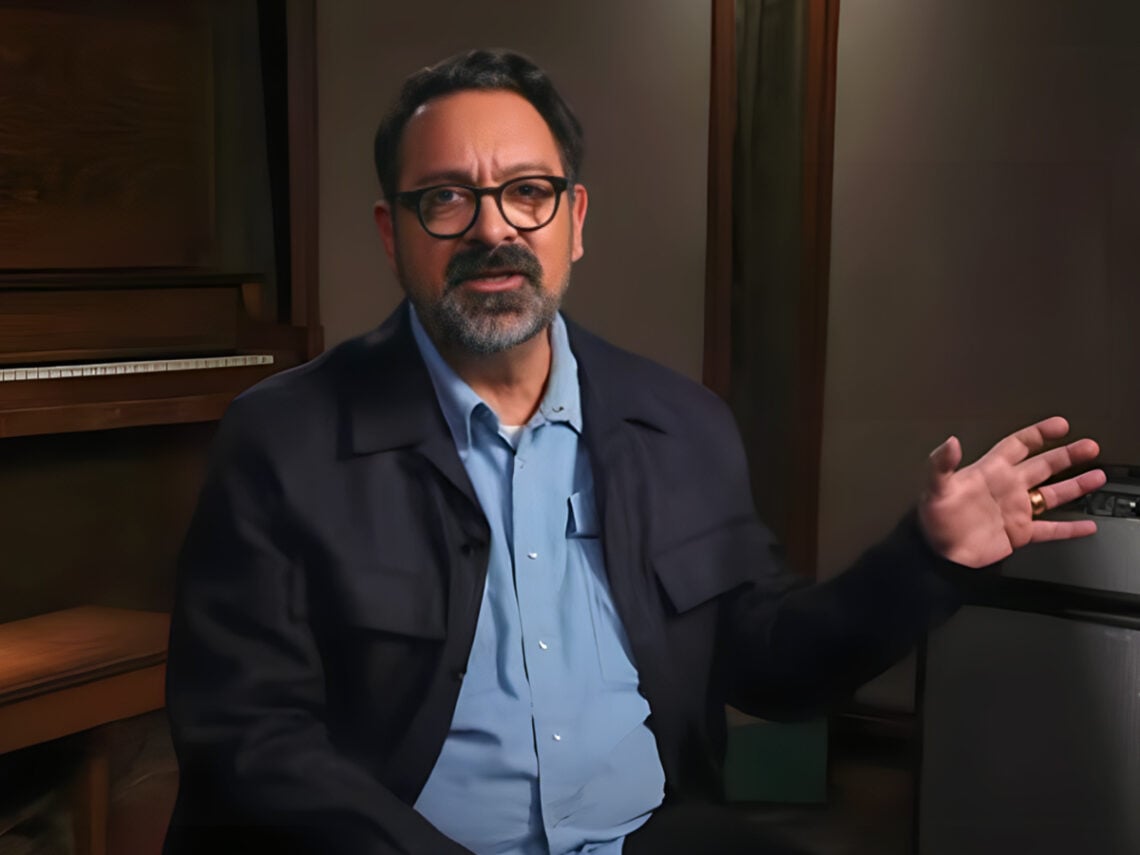
The movie that changed James Mangold’s life: “It was monumental for me”

Sometimes, when a film gets so universally popular and remains so for a very long time, when it means a huge amount to a great deal of people, it can be easy to forget just how good it was, how groundbreaking and what an impact it had on release.
It’s often the case with classic children’s films, like Mary Poppins or The Wizard of Oz. And for the Logan and A Complete Unknown director James Mangold, it is definitely the case with George Lucas’ Star Wars.
For a five to ten-year period between the late 1970s and the mid-1980s, seeing Star Wars for the first time as a kid was an intense and sometimes literally jaw-dropping experience, especially thanks to the awe-inspiring opening sequence. First, there is that ominous rumbling, then the enormous, seemingly never-ending spaceship hoves into view, a mass of imposing metal and portholes and pipes and weaponry.
But it’s the next part that we all remember as children, the few minutes that many movie fans will be able to tell you where they were the first time they witnessed it, or recite it for you line by line. The rebel soldiers amassed, crouched in a spacecraft corridor, trembling, guns poised, dreading what was about to emerge from the enemy ship that had just docked. And then, in a flurry of sparks as a hole is lasered open, through steps Darth Vader, all six foot eight inches of him, clad in black, the most memorable bad guy in movie history, and nothing was the same afterwards.
Mangold, who was a 14-year-old movie fanatic when the film was released, remembers the impact it had on him in a retrospective book by documentary maker Stephen Lowenstein. He said, “Seeing Star Wars was one of the most intense experiences of my life. I remember I was on a trip with my aunt and uncle to Yellowstone Park. When I got to Chicago, my uncle insisted that he wanted to see the movie again. We went to a big theatre and saw it there, and it was so monumental for me.”
So all-consuming was the film that if you were lucky enough to have been born a few years later, you got to have it on VHS video, which meant you would watch it again, and again, and again, sometimes until the quality of the tape began to deteriorate. Mangold can relate to this, even if it necessitated several trips to the cinema.
He added: “We travelled to Wyoming and stopped at (tourist spot) Old Faithful and all these great scenic sights, and I would get on the payphone every day and call my parents, and they’d say, ‘Well, what’s Old Faithful like?’ and I’d say, ‘I can’t wait to get back. We’ve got to go and see Star Wars.’”
Mangold certainly made the most of his obsession with film and with the effect the likes of Star Wars had on him as an adolescent. He went on to study theatre and acting before pivoting to filmmaking, landing a car advert first before being offered a deal to write and direct by Disney. He then moved to New York and graduated from film school, before writing scripts for movies including Sylvester Stallone’s 1997 hit Cop Land, which he also directed.
Over the next three decades, he helmed major hits including the Johnny Cash biopic Walk the Line, two Wolverine movies with Hugh Jackman, Ford v Ferrari and the latest Indiana Jones film, The Dial of Destiny. In a case of life coming full circle, he was also heavily involved in producing a new Star Wars movie, Dawn of the Jedi, although that may be in doubt given he has just signed a lucrative new deal with Paramount to direct a number of films, the first of which is a Timothee Chalamet biker thriller called High Side.
